
Last updated November 15, 2026
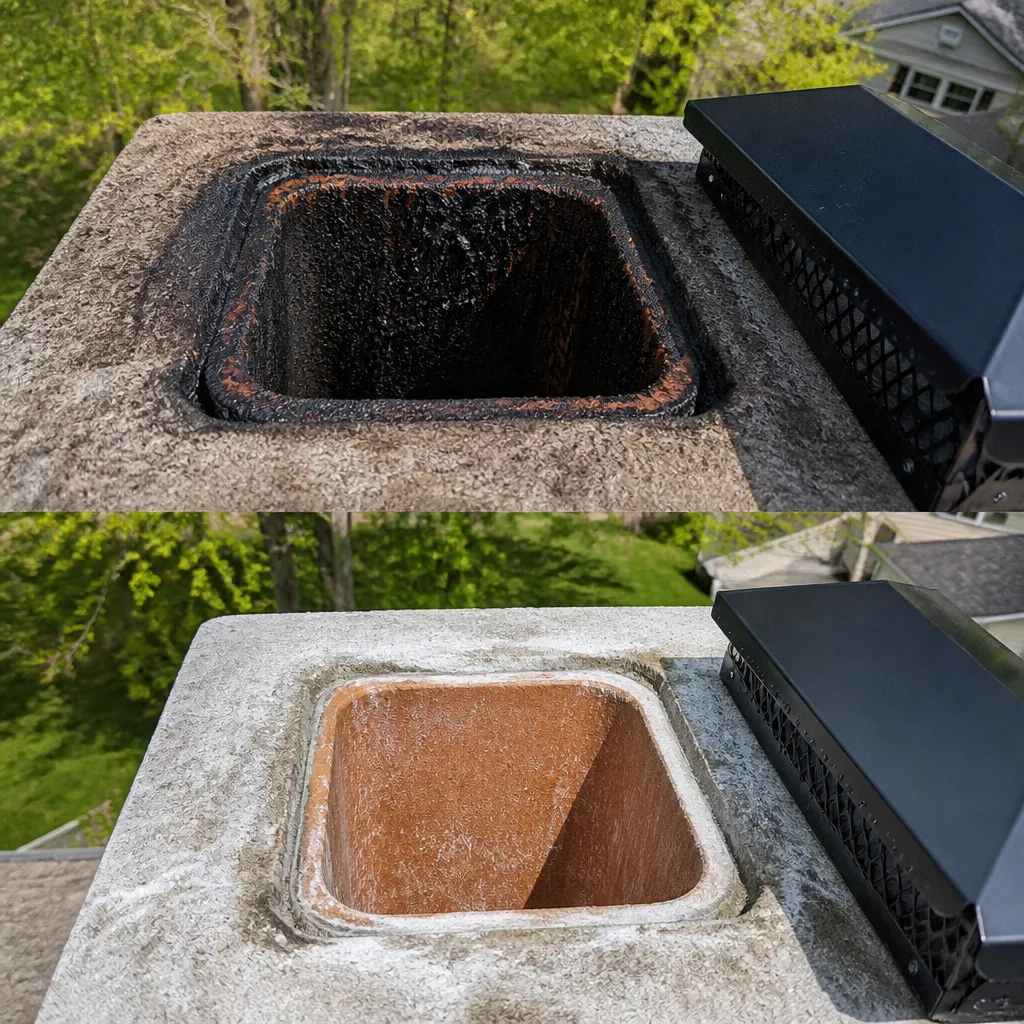 Sweep & inspection
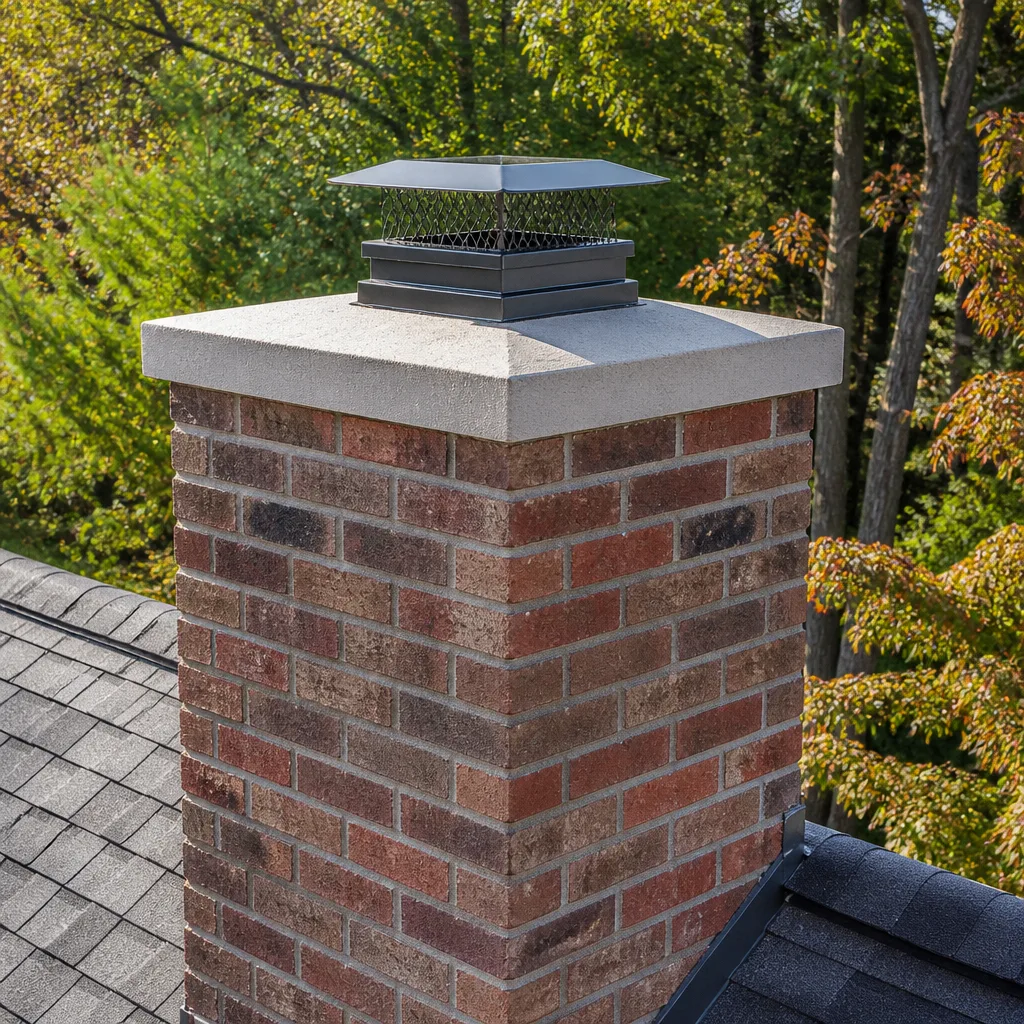 Caps & crowns
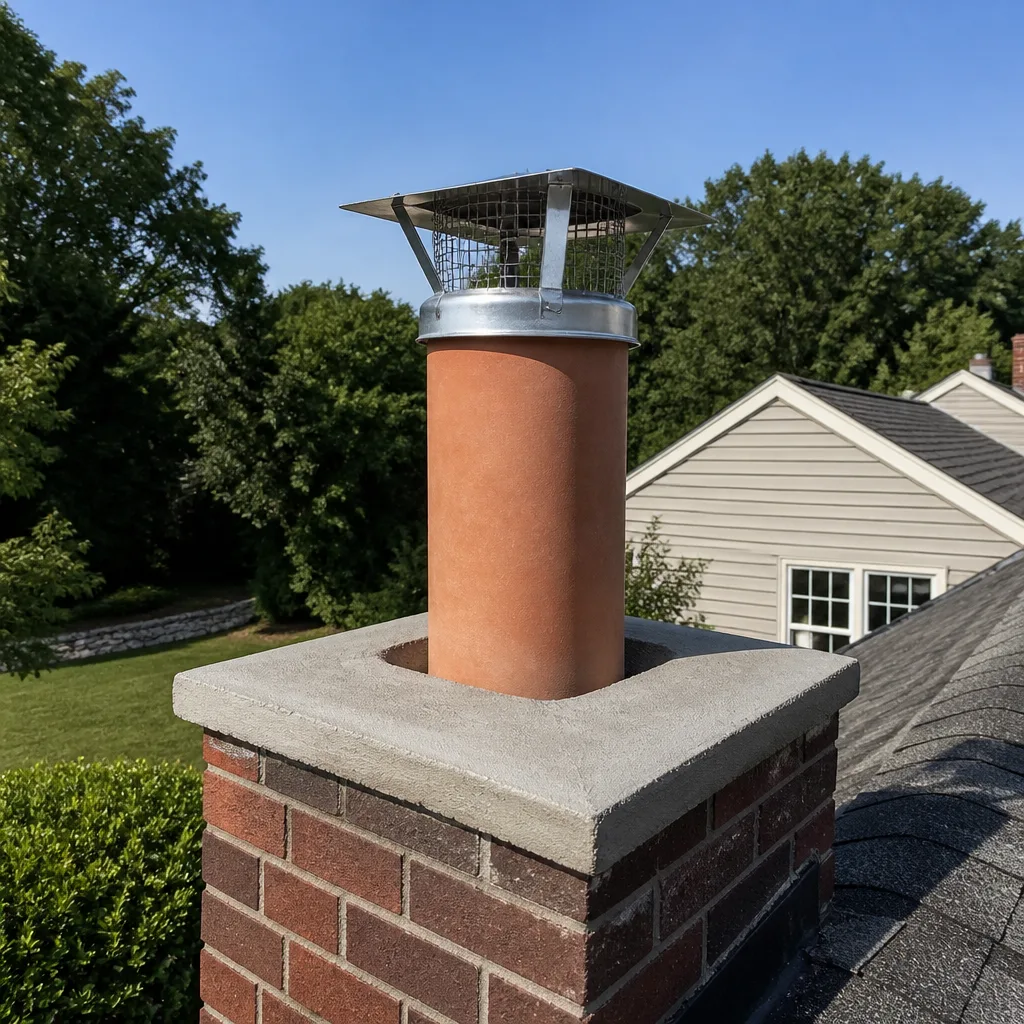 Flue relining
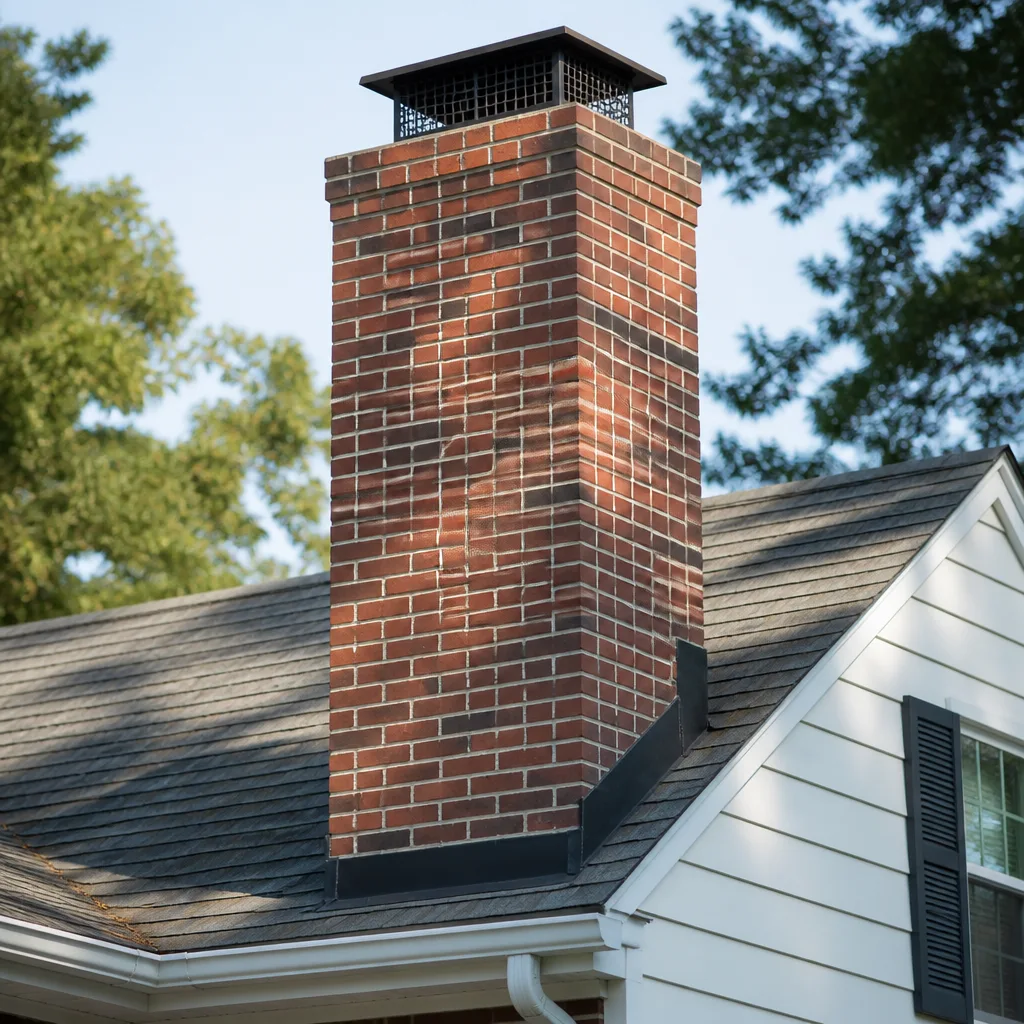 Masonry repair
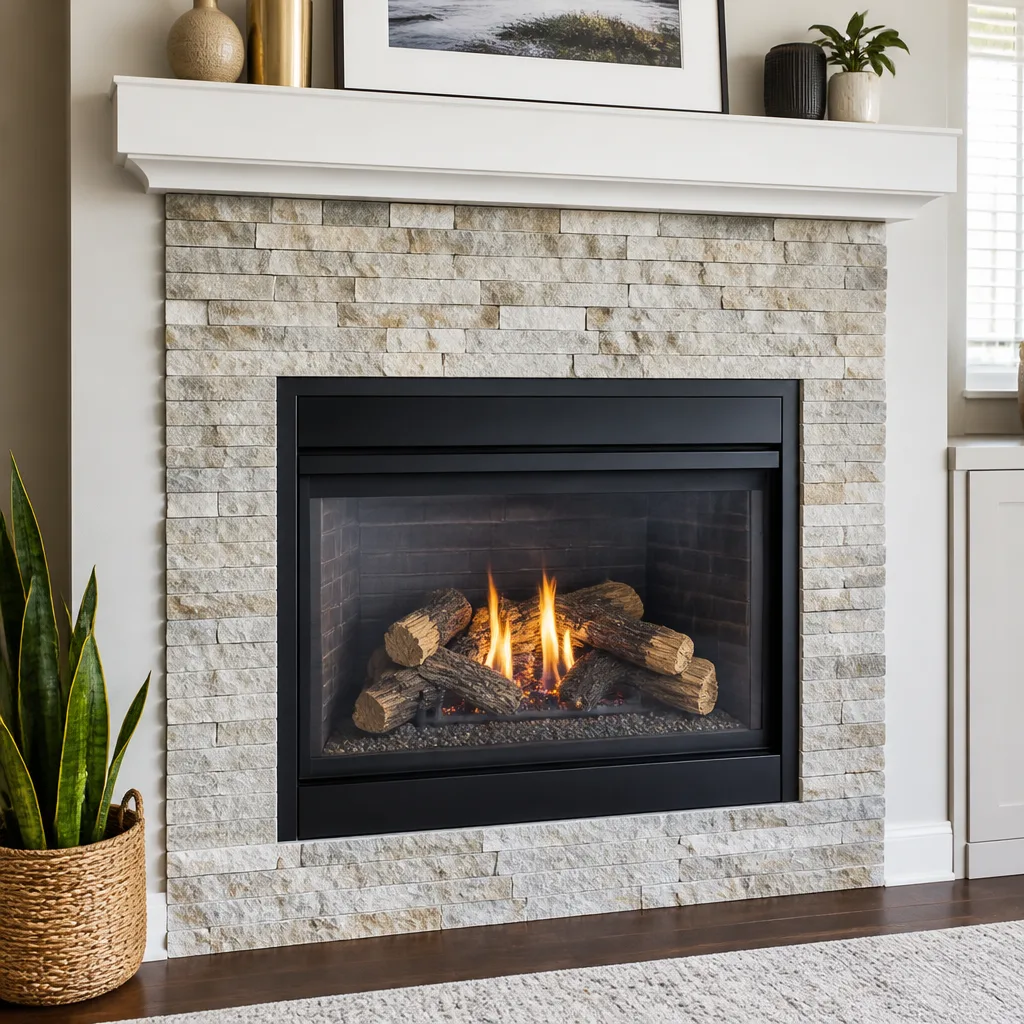 Gas fireplace service
Level 1 sweep and inspection to the NFPA 211 annual standard - flue, crown, cap, and flashing checked and photographed
Chimney sweep logs do not sweep chimneys. They loosen some creosote - which then falls where a brush and vacuum still have to collect it.
Chimney Cleaning Emergency Preparedness Guide for Abilene Homes
A chimney fire can burn inside your flue for a long time without ever showing flame or smoke in the room. Most homeowners picture an emergency as something loud and obvious, but the fires that do the worst structural damage often smolder slow and hot behind a wall of soot, undetected until the next fire has a compromised flue to feed on. That gap between what people expect and what actually happens is where real preparedness lives. In this guide, we’ll walk through what a slow-burn chimney fire sounds and feels like, exactly what to do if you suspect one, what a post-fire inspection must cover, and how to handle storm damage before cold weather arrives in Abilene.
Quick Answer
Chimney fire preparedness in Abilene means two things: knowing the sensory signs of a slow-burn flue fire and acting immediately, and preventing the conditions that cause one through annual sweeping and inspection. If you suspect an active chimney fire, get everyone out, call 911, and do not use the fireplace again until a Level 2 inspection confirms the flue is sound.
Styles & brands we work with
- Sweep & inspection
- Caps & crowns
- Flue relining
- Masonry repair
- Gas fireplace service
Table of Contents
- What a Slow-Burn Chimney Fire Actually Looks and Sounds Like
- Step-by-Step: What to Do If You Suspect an Active Chimney Fire
- What a Post-Fire Level 2 Inspection Covers
- Carbon Monoxide Detectors and Your Fireplace System
- Storm Damage to Caps and Crowns Before Cold Weather
- Prevention as Preparedness: The Seasonal Checklist
- When to Call a Professional
- Frequently Asked Questions
What a Slow-Burn Chimney Fire Actually Looks and Sounds Like
Most people imagine a chimney fire as a roaring event with flames visible at the top. The reality is quieter and more dangerous. A slow-burn fire feeds on creosote buildup inside the flue, and it can burn for hours at high temperature without ever producing the visible smoke or roar you might expect. Because the fire is enclosed, the signs are often sensory rather than visual, and homeowners miss them because they don’t know what to listen for.
Sounds to recognize
- A low rumbling or roaring that seems to come from inside the chimney itself, not from the firebox. It can sound like a distant train or a heavy wind pushing through a tunnel.
- Popping or crackling that’s louder and more rhythmic than the normal snap of burning wood, and that continues after the fire has died down.
- A sucking or whistling sound near the damper, which can indicate intense draft being pulled through the flue.
What you might feel or see
- Heat radiating from the chimney breast or the wall behind the fireplace, warmer than a normal fire would produce.
- Creosote flakes or pieces of flue tile landing on the roof or in the yard, sometimes visible as dark debris after the fire has been extinguished.
- A sudden, sharp smell that’s harsher than normal wood smoke, sometimes described as a hot, metallic, or tar-like odor.
In our experience, the fires that do the most damage are the ones nobody calls in. A flue that has been through a slow-burn event can look intact from the outside while the inner tile surface has cracked or spalled, which is why the next fire has a path into the framing. If you recognize any of these signs, act as though the fire is active. In Abilene, where wood-burning fireplaces are still common in older masonry homes, this matters more than most people realize.
Step-by-Step: What to Do If You Suspect an Active Chimney Fire
If you suspect an active chimney fire, the order of your actions matters. The goal is to get people out first, then limit the fire’s air supply, then get the fire department on the way. Do not try to fight a chimney fire from inside the firebox.
- Get everyone out of the house. Move people and pets to a safe distance outside before doing anything else. A chimney fire can spread into the attic or roof structure faster than it appears to.
- Call 911. Tell the dispatcher you suspect a chimney fire and give your address. Even if the fire seems to subside, the fire department needs to check the structure and confirm the fire is out.
- Close the glass doors or firebox door if you can do so safely on the way out. This limits oxygen to the fire and can slow it down.
- Close the damper only if it can be reached without entering a smoke-filled room. Closing it cuts the draft that feeds the fire, but never put yourself in danger to reach it.
- Do not spray water into the firebox. Water on a hot flue can cause thermal shock and crack the tile, and it does nothing to reach a fire that’s burning above the firebox.
- Wait for the fire department and follow their instructions. Don’t re-enter the home to check on the fireplace until they’ve cleared the scene.
- Do not use the fireplace again until a certified inspector has completed a Level 2 inspection and given you a written report.
If you’re not sure whether the fire is still burning, treat it as active. The cost of a false alarm is nothing compared to a fire that spreads into the framing overnight. Once the fire department has cleared the scene, the next step is a proper inspection, and that’s a job for a specialist, not a general handyman. Our chimney sweep team handles that follow-up inspection and the repair work that comes out of it.
What a Post-Fire Level 2 Inspection Covers
A post-fire Level 2 inspection is not optional after a suspected chimney fire. It is the only way to know whether the flue, the firebox, the damper, and the surrounding structure are still safe to use. Skipping it and lighting another fire is how a small event turns into a structural emergency.
A Level 2 inspection goes beyond what you can see from the firebox. It typically includes:
- A video scan of the flue interior using a camera, which reveals cracks, gaps, spalling, and offset joints that aren’t visible from the top or bottom.
- Inspection of the firebox and damper for heat damage, warping, or cracking in the masonry.
- Inspection of the chimney exterior, including the crown, cap, flashing, and the condition of the brick or stone.
- Checking clearances to combustible materials in the attic and at the roofline, where a slow-burn fire often leaves its first damage.
- A written report with photos that documents what was found and what, if anything, needs repair.
Why mandatory? Because a chimney fire can leave the flue liner cracked in ways that are invisible to the eye, and a cracked liner lets heat and carbon monoxide into the wall cavity. The next fire doesn’t have to be big to cause a problem. It just has to find the crack. In our work around Abilene, we’ve seen liners that looked fine from the firebox but showed clear heat damage on camera, which is exactly why the inspection has to be documented and not just eyeballed.
Once the inspection is done, the findings should be actionable. That’s the advantage of working with one company that handles sweeping, inspection, and repair: the report doesn’t sit in a drawer while you hunt for a second contractor. If the liner needs work, options like HeatShield ceramic resurfacing can restore a damaged flue without full relining, and DuraFlex flexible liner systems can handle offset or non-standard flue configurations that rigid liners can’t reach.
Carbon Monoxide Detectors and Your Fireplace System
Carbon monoxide is the emergency you can’t see, smell, or hear, which makes detector placement the single most important piece of preparedness hardware in a home with a fireplace. In Abilene homes with wood-burning fireplaces, gas inserts, or older masonry chimneys, CO risk goes up whenever the flue is compromised, the draft is poor, or the firebox has cracks that let exhaust into the room.
Where detectors belong
- On every level of the home, including the basement if you have one and the attic if it’s accessible living space.
- Outside each sleeping area, so a detector can wake occupants who are asleep when CO levels rise.
- In the same room as the fireplace, mounted on the wall or ceiling at least a few feet from the firebox itself to avoid false alarms from normal smoke.
- Near the furnace and water heater, if they share a flue with the fireplace, since a blocked flue can back-draft exhaust from appliances.
What to check
- Test every detector once a month using the test button.
- Replace the batteries at least once a year, and replace the unit itself according to the manufacturer’s instructions.
- Keep a detector on each floor, not just the one with the fireplace.
- If a detector alarms and you can’t find the source, get everyone out and call 911. Do not assume it’s a false alarm.
Placement matters as much as having detectors at all. A single unit in the hallway won’t necessarily catch CO that’s pooling in the room with the fireplace, especially in a closed-off den or a converted sunroom. When our technicians complete a chimney inspection, we check that the fireplace system is venting properly and flag any condition that could put CO into the living space. If a detector has ever gone off in your home, that’s a reason to book an inspection, not a reason to replace the battery and move on.
Storm Damage to Caps and Crowns Before Cold Weather
West Texas storms can take out a chimney cap or crack a crown in a single afternoon, and the damage often goes unnoticed until the first cold snap. A missing cap lets rain, debris, and animals into the flue, and a cracked crown lets water into the masonry, where it weakens the structure from the inside. When cold weather arrives and you light the first fire of the season, a compromised chimney is a fire waiting for a reason.
What to inspect after a storm
- The cap: check that it’s still attached and that the mesh or louvers aren’t bent or missing. A cap that’s shifted can block the flue or let water in.
- The crown: look for visible cracks, crumbling mortar, or pieces that have broken away at the top of the chimney.
- The flashing: where the chimney meets the roof, check for lifted or torn flashing that can let water into the attic.
- The brick and mortar joints: look for spalling, loose bricks, or joints that have eroded, especially on the side that faces the prevailing weather.
What to do if you find damage
- Do not use the fireplace until the chimney has been inspected. A damaged cap or crown can mean the flue is compromised, and a fire in a compromised flue is exactly the emergency this guide is about.
- Cover the top of the chimney temporarily if you can do so safely from the ground, but don’t climb onto a wet or damaged roof to do it.
- Book an inspection before the first cold snap. Abilene’s mild winters mean the busy season for chimney work is shorter than in colder climates, and a damaged chimney that waits until November may not get addressed before the first freeze.
- Have the repair done with proper materials. A cap or crown replacement is not a job for a general handyman. The right components, like those from Famco or Gelco, are fitted to your flue and installed to keep water out for the long term.
Storm damage is the scenario where preparedness pays off most directly. A cap that’s replaced in October is a fireplace that’s safe to use in December. A cap that’s ignored until the first cold night is a scramble.
Prevention as Preparedness: The Seasonal Checklist
The best chimney emergency is the one that never happens, and the way to prevent one is a simple annual routine. In Abilene, where burning season runs from late fall through early spring, the right time to prepare is before the first fire, not after the first sign of trouble.
Annual checklist
- Schedule a chimney sweep before the burning season. A professional sweep removes creosote buildup, which is the fuel a chimney fire feeds on. This is the single most effective prevention step you can take.
- Book an inspection at the same time. A sweep without an inspection is a guess. The inspection is what tells you whether the flue, firebox, and cap are actually in safe condition.
- Test every smoke and CO detector. Replace batteries and confirm each unit is working.
- Check the cap and crown from the ground. Look for visible damage after any storm, and book a repair if you see it.
- Burn seasoned wood. Wet or green wood produces more creosote, which is the fuel for a chimney fire.
- Keep a fire extinguisher near the fireplace and make sure everyone in the home knows where it is.
- Never leave a fire unattended and never overload the firebox.
If you’ve never had your chimney inspected, or it’s been more than a year, that’s the place to start. Our chimney repair team can address anything the inspection turns up, from a cracked crown to a damaged liner, and we do it with the same professional-grade materials the industry’s leading suppliers stock. One company handles the sweep, the inspection, and the fix, which means nothing gets lost between contractors and nothing waits until it’s an emergency.
Common Mistakes to Avoid
- Assuming a quiet fire is a safe fire. A slow-burn chimney fire can be nearly silent and still do serious damage. If you hear rumbling or popping from the flue after the fire has died down, treat it as active and call 911.
- Skipping the post-fire inspection. A fire department clearing the scene is not the same as a Level 2 inspection. The flue has to be checked with a camera before you light another fire.
- Putting it off until the first cold night. Abilene’s mild fall means there’s no urgency until there is, and by then the schedule is full. Book the sweep and inspection before the season starts.
- Hiring a sweep-only crew without repair capability. If the inspection finds a damaged liner, you want the fix done by the same company, not referred out to a contractor you’ve never met.
- Ignoring storm damage until it leaks. A cracked crown or missing cap looks cosmetic until water gets into the masonry. Inspect after every major storm and repair before winter.
- Placing CO detectors only in the hallway. Put one in the room with the fireplace, in addition to the standard locations.
- Assuming a gas insert doesn’t need inspection. Gas fireplaces vent through the same flue and can back-draft if the venting is compromised. The inspection covers both.
When to Call a Professional
Call a professional after any suspected chimney fire, after any storm that may have damaged the cap or crown, and before the burning season if it’s been more than a year since your last sweep and inspection. Call right away if a CO detector has gone off, if you smell gas near the fireplace, or if you see creosote flakes on the roof. Those are not conditions to wait on. Chimney Sweep Abilene offers free estimates in Abilene – call (888) 359-2615. We answer 24/7, and dispatch runs from 7am to 7pm, Sunday through Friday.
Frequently Asked Questions
The most reliable sign is a combination of a low rumbling or popping sound from inside the flue, heat radiating from the chimney breast after the fire has died down, and dark creosote flakes or pieces of flue tile on the roof or in the yard. If you notice any of these, treat it as a suspected fire and call 911. A camera inspection afterward confirms whether the flue was damaged. Call (888) 359-2615 for a free estimate on the inspection.
Yes. A Level 2 inspection is mandatory after a suspected chimney fire because the damage is often invisible from the firebox. The flue liner can be cracked, the firebox can be heat-damaged, and the framing can be compromised in ways you can’t see without a camera. Lighting another fire before the inspection is how a small event becomes a structural emergency. Call (888) 359-2615 to book the inspection.
Place a CO detector on every level of the home, outside each sleeping area, and in the room with the fireplace, mounted away from the firebox to avoid false alarms. If the furnace or water heater shares a flue with the fireplace, add one near those appliances. Test every unit monthly and replace batteries annually. If a detector alarms and you can’t find the source, get out and call 911. Call (888) 359-2615 for a fireplace inspection if a detector has gone off.
Stop using the fireplace until the chimney has been inspected. A missing cap lets water and debris into the flue, and a damaged cap can block the flue entirely. Don’t climb onto a wet or damaged roof to cover it yourself. Book an inspection before cold weather arrives, and have the cap replaced with a properly fitted component like those from Famco or Gelco. Call (888) 359-2615 for a free estimate.
In many cases, yes. HeatShield ceramic resurfacing can restore a liner that’s cracked but structurally sound, extending the chimney’s life without the cost of full replacement. For chimneys with offset or non-standard flue configurations, DuraFlex flexible liner systems can reline where rigid liners can’t reach. The inspection determines which option your chimney needs. Call (888) 359-2615 for a free estimate in Abilene.
Schedule a sweep and inspection once a year, before the burning season. If you burn wood frequently or your fireplace is a primary heat source, you may need it more often. The sweep removes the creosote that fuels a chimney fire, and the inspection confirms the flue is sound. Book both together – the Abilene service covers both in one visit. Call (888) 359-2615 for a free estimate.
The Bottom Line
Chimney fire preparedness is mostly about what you do before the emergency, not during it. Know the sensory signs of a slow-burn flue fire, act on them immediately, and never use the fireplace again until a Level 2 inspection has cleared it. Place CO detectors where they’ll actually catch a problem. Inspect the cap and crown after every storm and repair before cold weather. And put the annual sweep and inspection on the calendar before the season starts. That’s the routine that keeps a small problem from becoming an emergency, and it’s the routine we’re here to help with at Chimney Sweep Abilene.
Call (888) 359-2615 for a free estimate. We answer 24/7, with dispatch from 7am to 7pm, Sunday through Friday.
Written by the team at Chimney Sweep Abilene.
See the difference
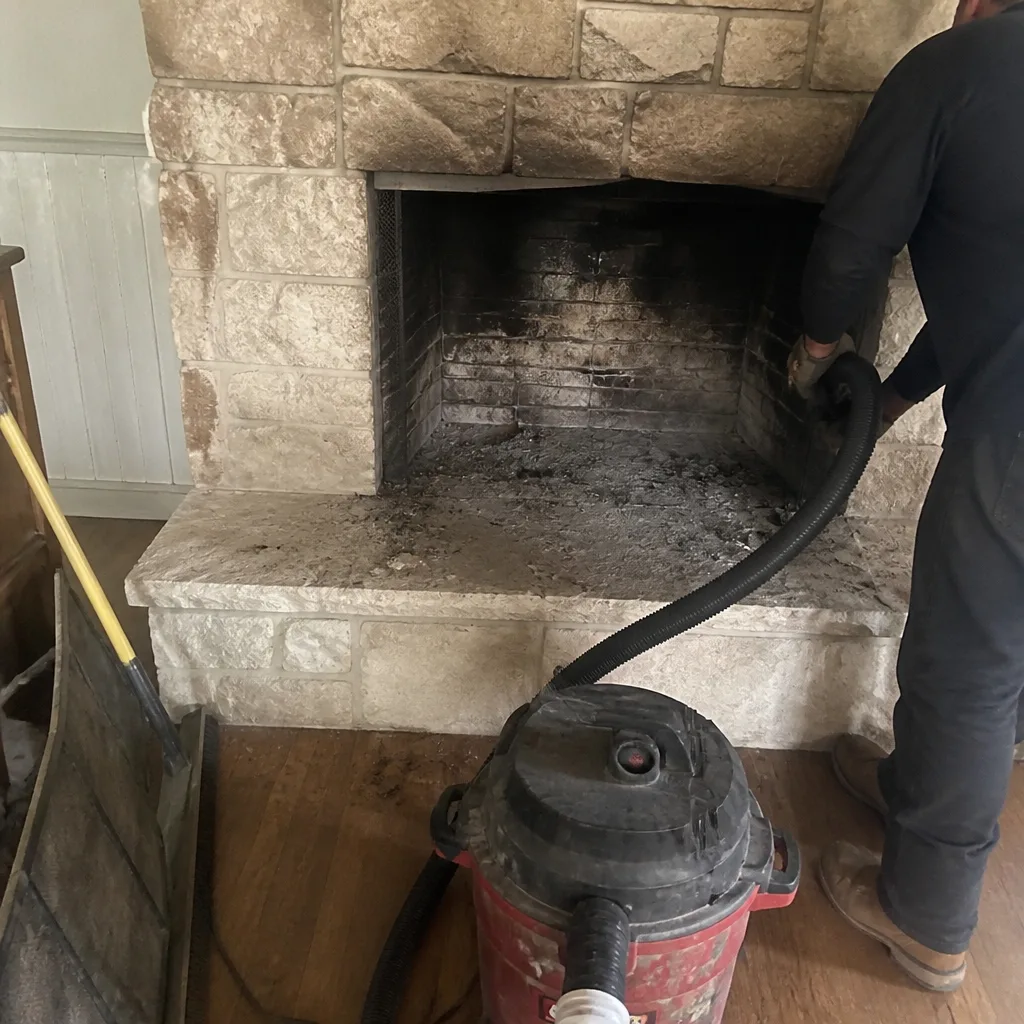 Before
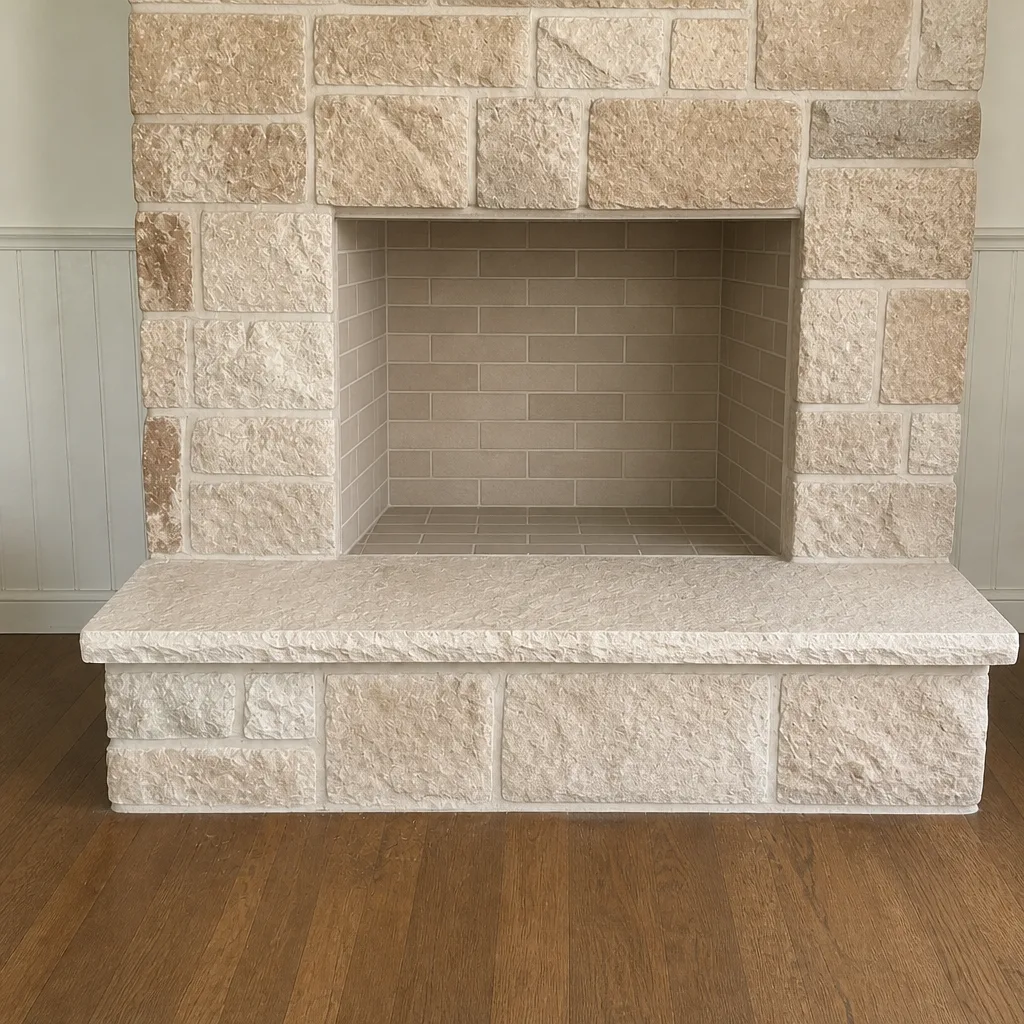 After
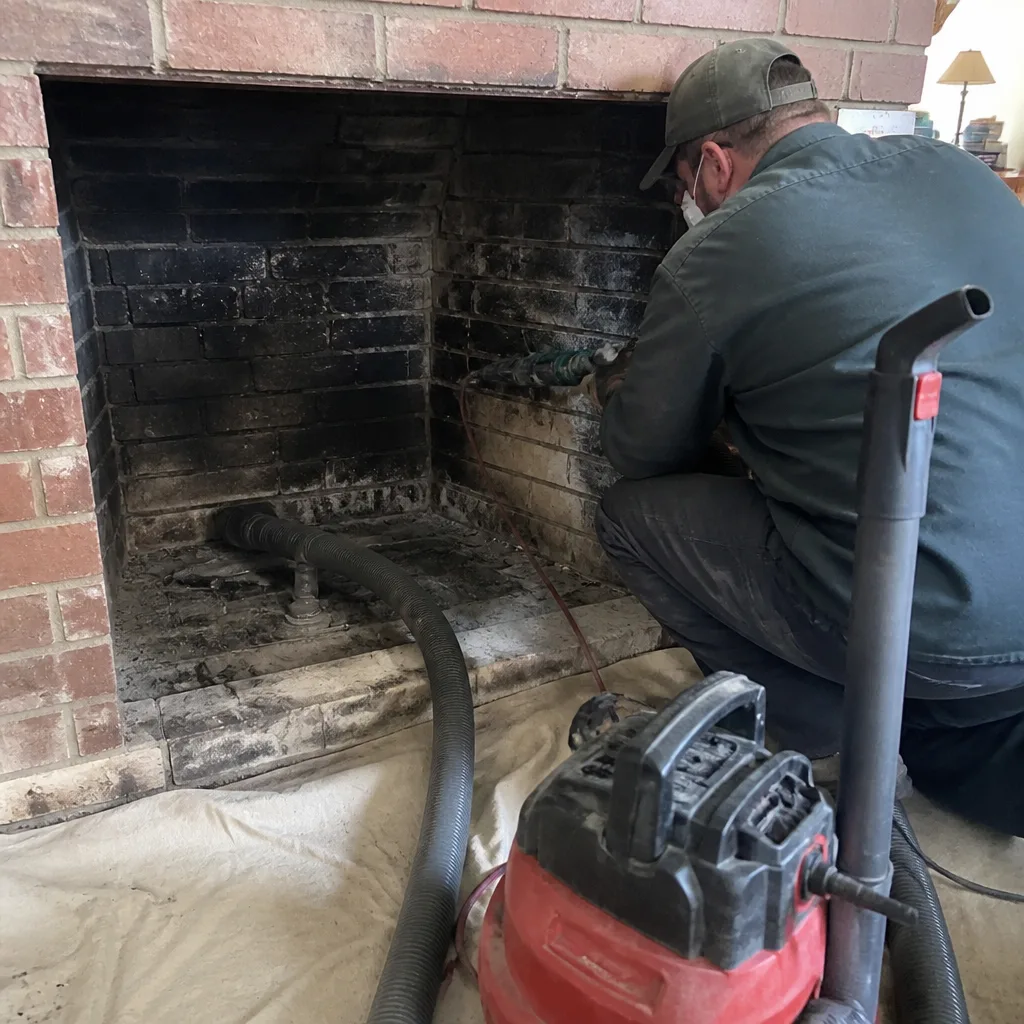 Before
 After
 Before
 After