
Last updated November 15, 2026
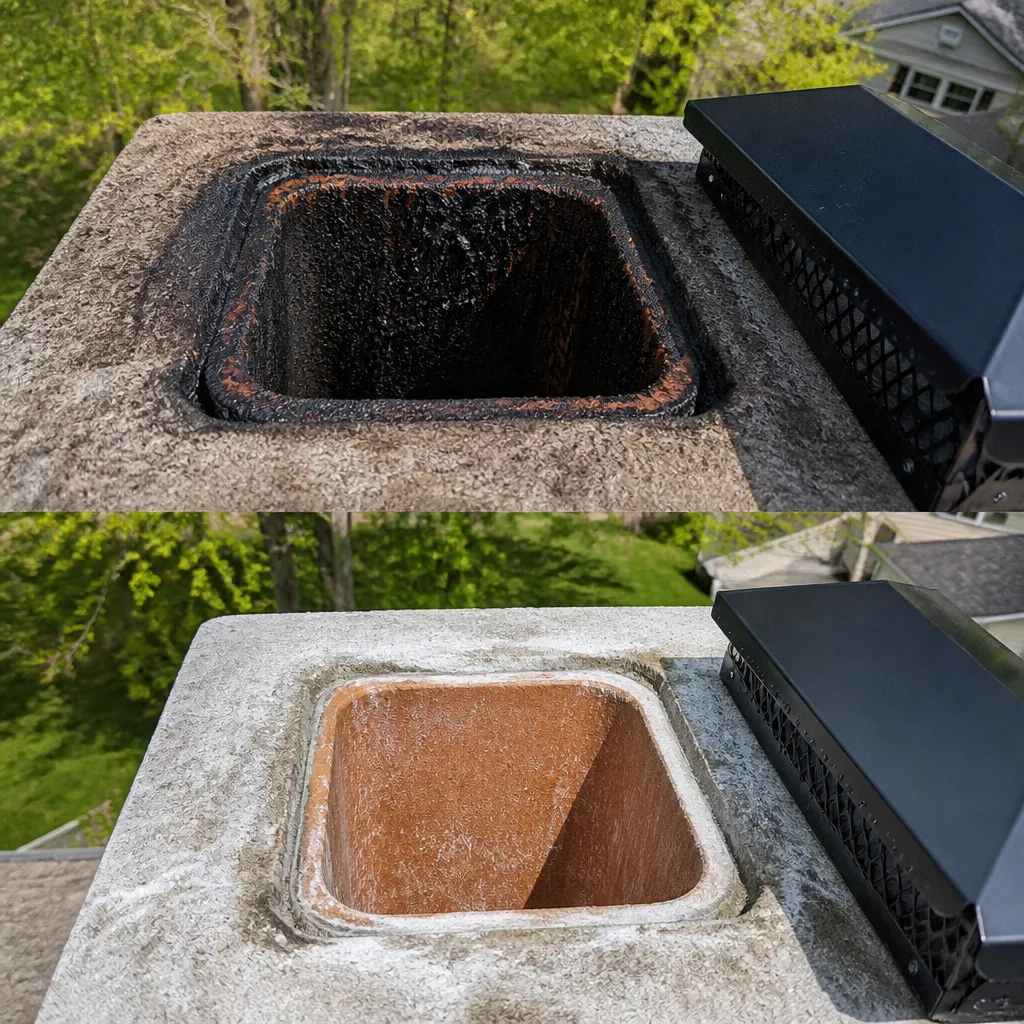 Sweep & inspection
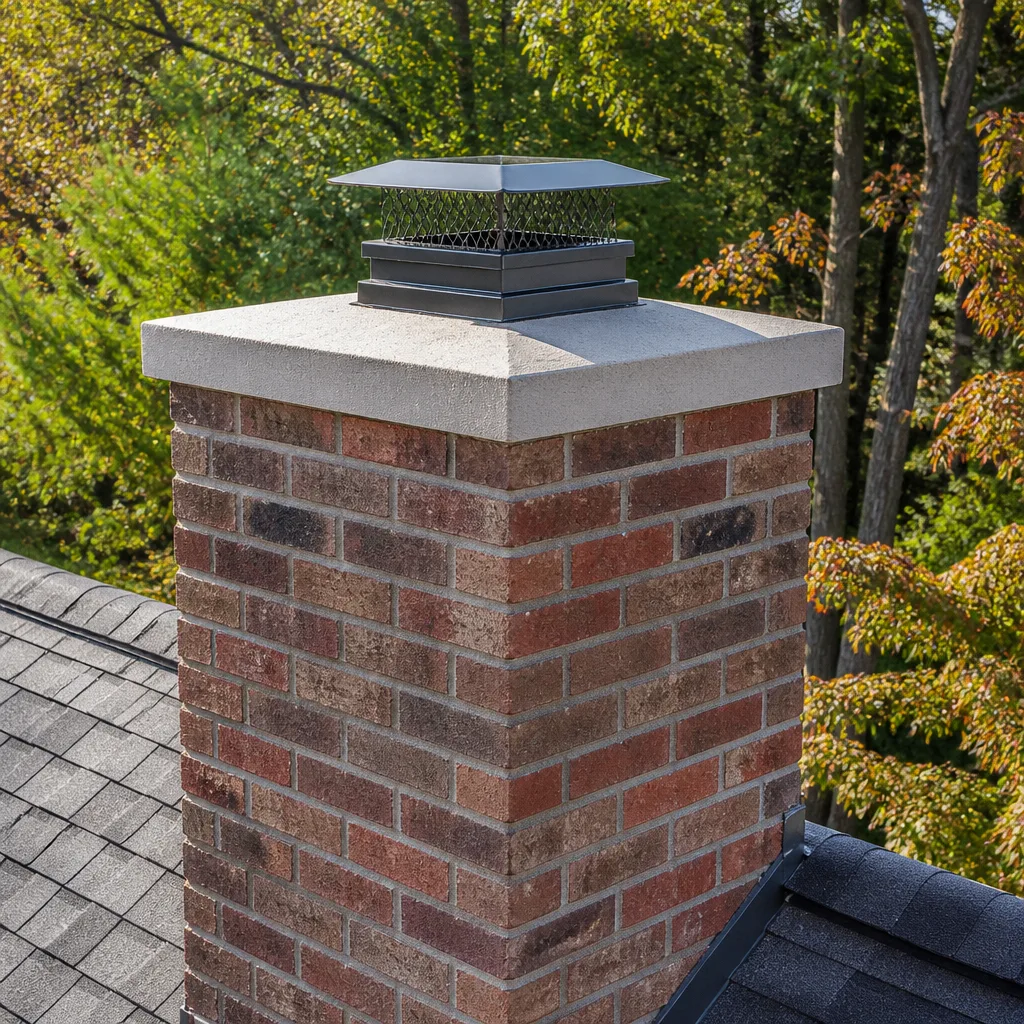 Caps & crowns
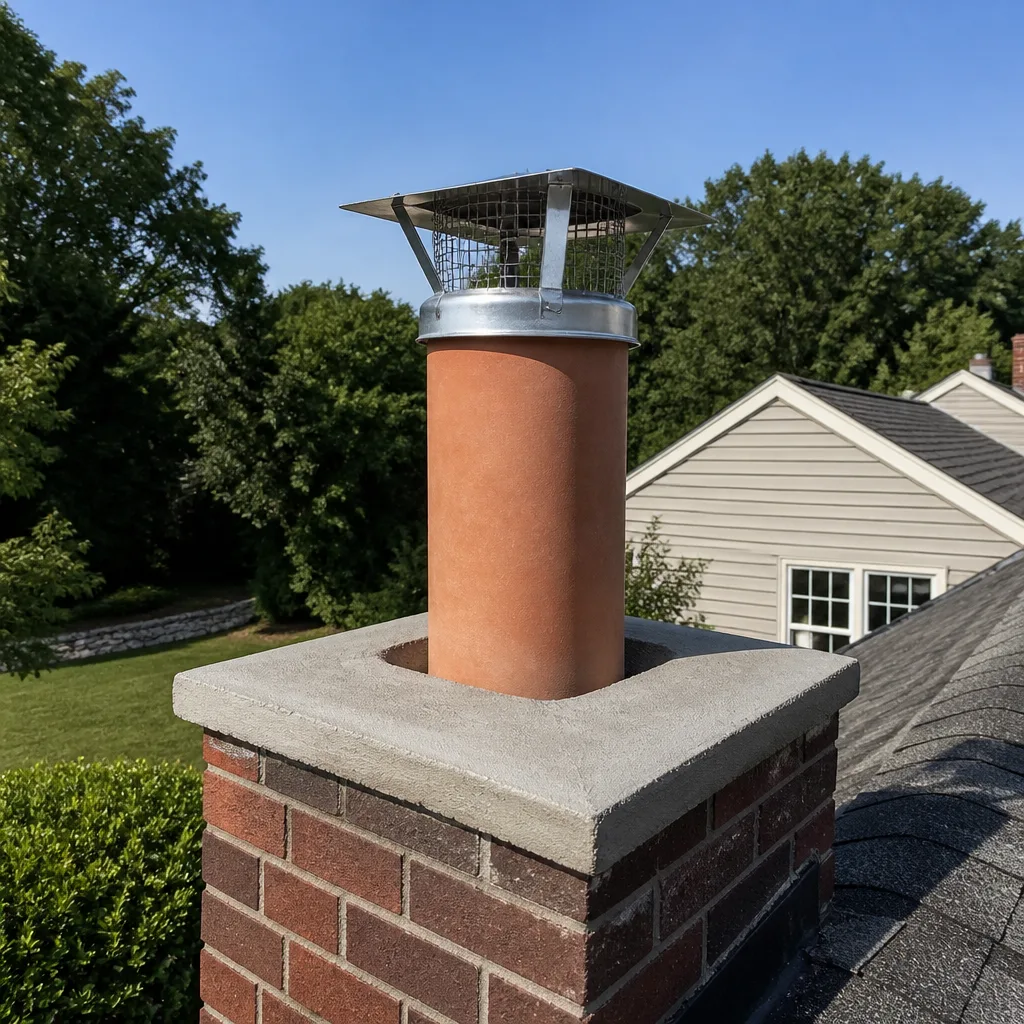 Flue relining
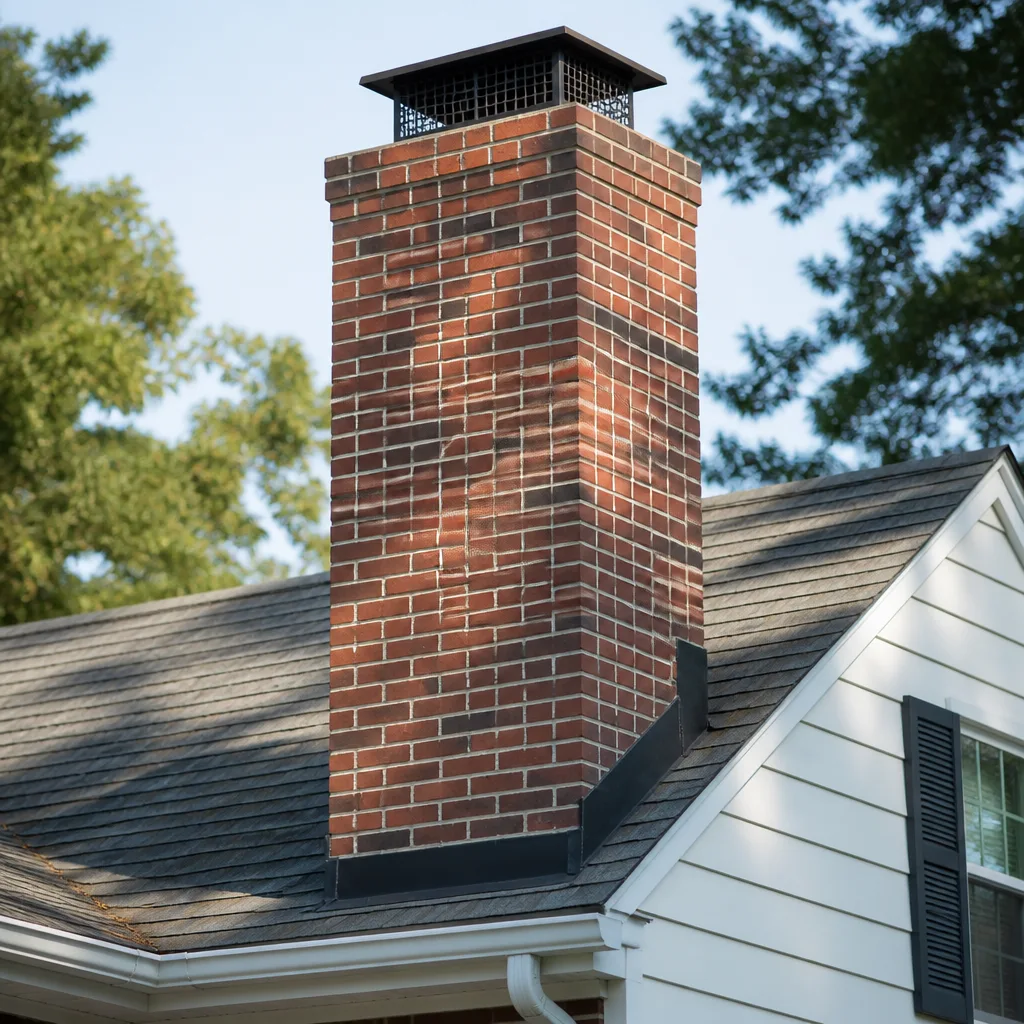 Masonry repair
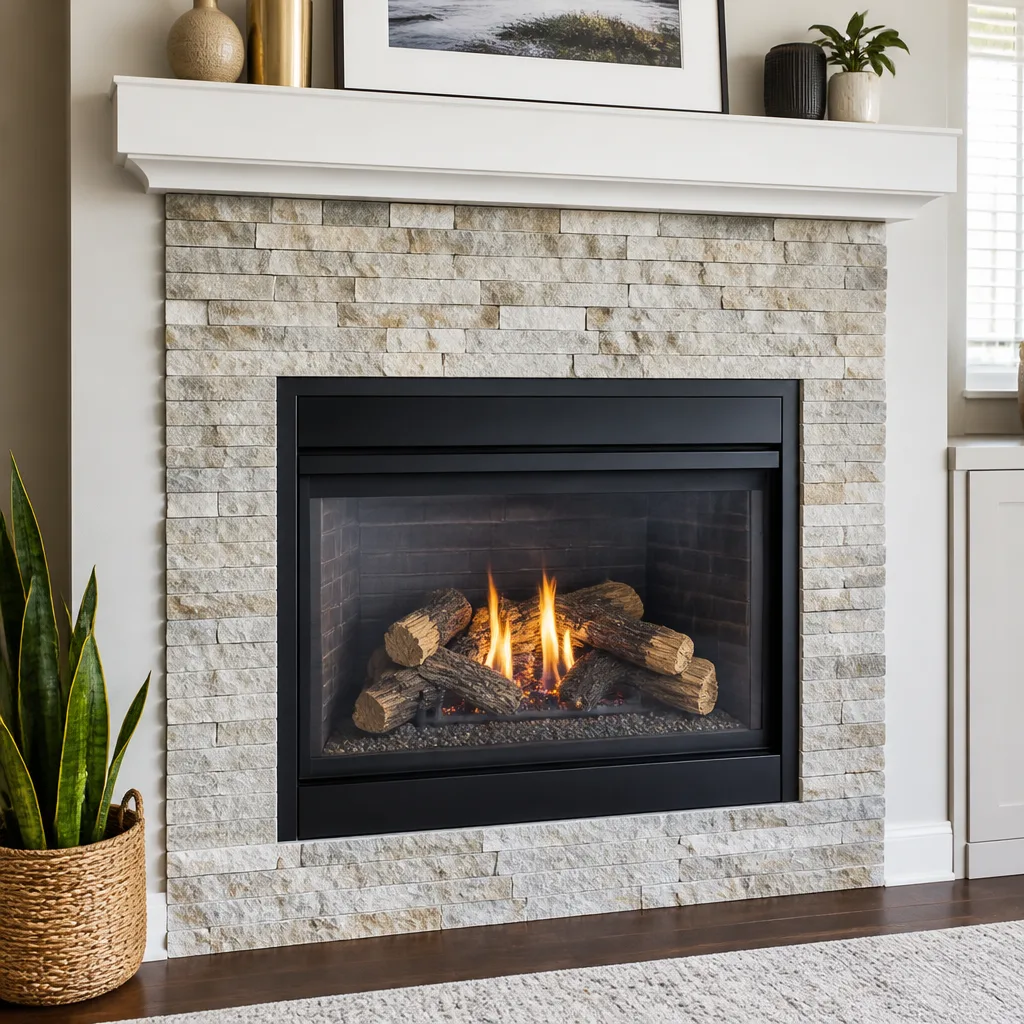 Gas fireplace service
Level 1 sweep and inspection to the NFPA 211 annual standard - flue, crown, cap, and flashing checked and photographed
Chimney sweep logs do not sweep chimneys. They loosen some creosote - which then falls where a brush and vacuum still have to collect it.
Chimney Cleaning Warning Signs: An Abilene Homeowner’s Reference Guide
By the time you see smoke backing up into the living room, you’ve already missed several earlier warnings. Chimney failure rarely announces itself. It telegraphs for months in signs most homeowners either miss or explain away: a faint smokiness in a room where no fire is burning, a hairline crack you assume is just settling, a cap sitting slightly off-center after a windy week. Those quiet signals are the ones that matter most, and they’re exactly the ones that get rationalized. This guide walks through the early-stage chimney warning signs we look for in Abilene homes, separates the “get this checked within 30 days” signals from the “stop using the fireplace now” ones, and explains what each sign actually means about your flue, your masonry, and your safety.
Quick Answer
The earliest chimney warning signs in an Abilene home are usually subtle: a faint smoke or creosote smell in a room when the fireplace isn’t in use, white staining on exterior masonry, a hairline crack inside the firebox, a cap that’s shifted or loose, or a fire that drafts poorly on calm days. These signs point to draft failure, water intrusion, or early structural damage and call for a professional inspection within 30 days. Signs that require you to stop using the fireplace immediately include smoke rolling back into the room, visible creosote buildup inside the flue, cracked or crumbling firebox brick with gaps, a strong chemical or burning smell with no fire lit, or any sign of carbon monoxide in the home.
Styles & brands we work with
- Sweep & inspection
- Caps & crowns
- Flue relining
- Masonry repair
- Gas fireplace service
Table of Contents
- Early-Stage Warning Signs: The 30-Day List
- Signs That Mean Stop Using the Fireplace Now
- What a Smoke Smell With No Fire Actually Means
- White Staining on Exterior Masonry: Why It’s Not Cosmetic
- Settling Cracks vs. Structural Damage in the Firebox
- Damaged Chimney Caps and Abilene’s Wind
- Creosote: The Warning Sign You Can’t See
- What a Professional Chimney Sweep Actually Checks
- Common Mistakes to Avoid
- When to Call a Professional
- Frequently Asked Questions
Early-Stage Warning Signs: The 30-Day List
These are the signs that don’t demand an emergency response but shouldn’t wait for “someday” either. In our experience, homeowners who act on this list within a month usually catch problems while they’re still inexpensive to fix. A cracked firebox brick caught early might be a resurfacing job. The same crack a year later can mean masonry reconstruction.
Watch for these within the next 30 days:
- A faint smoke or creosote odor in the room when the fireplace has been cold for days, especially on humid or still days.
- White, chalky staining on the exterior brick or mortar of the chimney, particularly near the top third.
- Hairline cracks in the firebox brick, the mortar joints, or the smoke chamber above the damper.
- A chimney cap that’s tilted, loose, or missing after a stretch of windy weather.
- Poor draft on calm days – the fire smokes a little at startup or struggles to catch when the air outside is still.
- Flaking or spalling brick on the chimney’s exterior, where the face of the brick is popping off in thin layers.
- A damper that sticks, won’t seal, or feels loose when you open and close it.
- Soot flakes or black debris appearing on the firebox floor or the hearth after a fire.
- Visible creosote glaze inside the flue, if you can see it from the damper with a flashlight.
None of these mean the chimney is about to fail. But each one is a signal that something inside the system has changed, and the only way to know what changed is to look at it properly. A sweep without an inspection is a guess. We do both, because the signs above tell you something is happening and the inspection tells you what.
Abilene’s climate plays a role here. Our summers are long and hot, our winters mild, and the swing between them is hard on masonry that’s exposed on all sides. Brick and mortar expand and contract with temperature changes and absorb moisture from summer storms and winter drizzle. Over time that cycle opens hairline cracks that start small and stay small until they don’t. The 30-day list is your chance to catch them in the “still small” phase.
Signs That Mean Stop Using the Fireplace Now
Some warning signs are not on the 30-day list. If you see any of the following, stop using the fireplace or wood stove immediately and call for professional service before you burn again. These signals point to conditions that can lead to a chimney fire or carbon monoxide entering the home, and they’re not something to “watch for a while.”
- Smoke rolling back into the room while the fire is burning, or a strong puff of smoke when you open the damper.
- A sustained, strong creosote or tar smell when the fireplace is cold and has been for days – this can indicate heavy creosote buildup or a blocked flue.
- Visible cracked or crumbling firebox brick with gaps between the bricks, especially where you can see into the spaces behind them.
- Any carbon monoxide alarm activation in the home, or symptoms like headaches, dizziness, or nausea that improve when you leave the house.
- A fire that won’t stay lit, or a flue that won’t draw at all, even with dry wood and a warm firebox.
- Flames or sparks visible above the chimney crown, or a loud roaring sound from the flue during a fire.
- Broken or missing damper, or a damper that’s stuck wide open with no way to close it.
If you see flames, hear roaring, or smell a hot, acrid odor with no fire lit, leave the house and call 911 first. Then call us to assess the chimney. Carbon monoxide is odorless and invisible, which is why a working CO alarm near the living area matters as much as the inspection itself. We can’t tell you the alarm is a false positive, and neither should anyone else without looking at the flue.
What a Smoke Smell With No Fire Actually Means
A faint smoke or creosote smell in a room where the fireplace has been cold for days is one of the most commonly dismissed warning signs we hear about in Abilene. Homeowners assume it’s just the smell of an old fireplace, or that the last fire left an odor. Sometimes that’s true. Often it isn’t.
That smell usually points to one of three things:
- Draft reversal. When the air pressure inside the house is lower than outside, or when the flue is cold and the outdoor air is warmer, the chimney can pull air down instead of pushing smoke up. The smell you notice is the residue of previous fires being drawn back into the room.
- Flue sealing failure. If the flue liner or the mortar joints have cracks, or if the connection between the stove or insert and the flue isn’t sealed properly, smoke and creosote odor can leak into the living space even when there’s no fire.
- Creosote buildup. Heavy creosote deposits in the flue hold odor and release it slowly, especially on humid days. If you can smell it when the fireplace is cold, there’s enough creosote in the flue to warrant a look.
Draft reversal is more common in tightly built modern homes, where exhaust fans, dryers, and range hoods can depressurize the house enough to pull air down the chimney. That’s a house-pressure issue as much as a chimney issue, and it’s something an inspection can identify. Flue sealing failure is the one that concerns us most, because a cracked liner or a gap in the smoke chamber is also a path for carbon monoxide. If the smell is persistent, it’s worth a professional look rather than a candle or an air freshener.
The fix depends on the cause. A draft issue might call for a different cap or a top-sealing damper. A sealing failure might need a liner repair or replacement. In our work, we use HeatShield ceramic resurfacing for liners that are cracked but still structurally sound, and DuraFlex flexible liner systems for flues with offsets or non-standard configurations that a rigid liner can’t follow. One company handles the sweep, the inspection, and the fix, so you’re not left holding a report with no follow-through.
White Staining on Exterior Masonry: Why It’s Not Cosmetic
White, chalky staining on the outside of a chimney is called efflorescence. Homeowners often treat it as a cosmetic issue, something to pressure-wash away or ignore. It’s not cosmetic. Efflorescence is a symptom of water moving through the masonry, and water is the single most destructive force on a brick chimney.
Here’s what’s actually happening. Brick and mortar are porous. When water gets into the masonry from rain, from a failed crown, from a cracked cap, or from a missing rain cover, it dissolves salts from the brick and mortar. As the moisture migrates back out through the surface and evaporates, it leaves those salts behind as a white, powdery deposit. The staining you see is the visible end of a process that’s been happening inside the wall.
What efflorescence signals:
- An active water entry point somewhere above or behind the stained area – often a cracked crown, a failed cap, or deteriorated flashing at the roofline.
- Moisture inside the masonry, which weakens mortar joints and, over repeated wetting and drying, can cause spalling, where the face of the brick flakes off.
- A path for further damage into the smoke chamber and the interior of the flue, where water can degrade the liner and the mortar that holds the firebox together.
Abilene’s summer storms and the occasional heavy rain events we get in spring and fall put a lot of water on a chimney in a short time. If the crown is cracked or the cap is missing, that water goes straight into the masonry and doesn’t have an easy way out. The efflorescence shows up weeks or months later, which is why it’s easy to miss the connection. A new white patch on the chimney after a wet spell is a strong signal that something above it has failed.
When we inspect a chimney with efflorescence, we look at the crown, the cap, the flashing, and the mortar joints as the likely culprits. A properly fitted cap from a line like Famco or Copperfield, combined with a crown repair, stops the water at the source. Pressure-washing the stain away without fixing the entry point just removes the evidence.
Settling Cracks vs. Structural Damage in the Firebox
Not every crack in a chimney is a problem. Some are the normal result of a house settling, and masonry moves with it. Others are the early signs of a firebox or smoke chamber that’s losing its ability to contain heat and gases. The trick is telling them apart, and the best way to do that is to look at where the crack is, what it looks like, and whether it’s changed.
Here’s a comparison that helps:
| Normal settling | Structurally significant |
|---|---|
| Hairline cracks in exterior mortar joints, uniform width, no displacement | Cracks in the firebox brick itself, especially with gaps or debris visible in the crack |
| Cracks that appeared once and haven’t widened | Cracks that are widening, lengthening, or appearing in new places over time |
| Cracks in the exterior brick, away from the firebox | Cracks in the smoke chamber, the damper frame, or the transition between the firebox and the flue |
| No change in how the fireplace drafts | Draft changes, smoke spillage, or a smell that wasn’t there before |
The firebox and smoke chamber are the parts of the chimney that see the most heat and the most corrosive byproducts of combustion. Cracks there are not the same as cracks on the outside of the chimney. A hairline crack in the firebox brick can let heat and carbon monoxide into the space behind the firebox, and that space is often framed with wood. That’s why we treat firebox and smoke chamber cracks as a stop-and-look condition rather than a wait-and-see one.
In our experience, the smoke chamber is the most overlooked part of the system. It’s the sloped area above the damper that funnels smoke into the flue, and it’s hard to see without a camera. Many older Abilene masonry chimneys have smoke chambers that were parged with mortar decades ago and have since cracked and flaked. HeatShield ceramic resurfacing is one way to restore a smoke chamber or a cracked liner without full replacement, and it’s a repair option many sweep-only companies can’t provide. Whether it’s the right fix depends on what the camera shows, which is why the inspection comes first.
Damaged Chimney Caps and Abilene’s Wind
A chimney cap is a small piece of metal or masonry that sits on top of the flue. When it’s working, it keeps rain, birds, squirrels, and debris out of the chimney while letting smoke escape. When it’s damaged, all of that gets in. In Abilene, the wind is the main reason caps fail. Our spring and summer storms bring gusts that can lift, tilt, or tear a cap that wasn’t fastened properly, and the damage often isn’t visible from the ground.
What cap failure leads to:
- Water intrusion. A missing or tilted cap lets rain straight into the flue, where it wets the liner, the smoke chamber, and the firebox. That moisture drives efflorescence, spalling, and liner deterioration.
- Animal and debris entry. Birds nest in uncapped flues, and nests block the flue and create a fire hazard. Leaves and twigs do the same.
- Draft problems. A cap that’s partially blocked or sitting at an angle changes how air moves across the flue top and can cause smoke to spill back into the house.
- Sparks on the roof. A cap with a properly sized spark screen keeps embers from landing on the roof or in the yard. A damaged screen doesn’t.
Checking the cap is one of the simplest things a homeowner can do from the ground with binoculars. If it’s tilted, missing, or the screen is torn, that’s a repair, not a cosmetic issue. We fit caps from Famco and Gelco so the cap matches the flue size and the screen is sized correctly for the appliance. A cap that’s too small or a screen with the wrong mesh is almost as bad as no cap at all.
Creosote: The Warning Sign You Can’t See
Most of the warning signs in this guide are things you can notice. Creosote is the one you usually can’t. It builds up inside the flue as a byproduct of burning wood, and it comes in three forms: a light, flaky soot that brushes off easily; a crusty, tar-like deposit that’s harder to remove; and a glazed, hardened coating that’s the most flammable and the most difficult to clean. The glazed form is what feeds chimney fires.
What makes creosote tricky is that a chimney can have significant buildup and still draft fine. The fire burns, smoke goes up, nothing seems wrong. The warning sign isn’t a symptom you feel. It’s the accumulation itself, and the only way to know how much is there is to look. That’s why an annual inspection matters even in a year when the fireplace seemed to work perfectly.
Creosote buildup is faster when:
- You burn unseasoned or wet wood, which produces more smoke and more deposits.
- You burn slow, smoldering fires with the damper partly closed, which sends more unburned material up the flue.
- The flue is oversized for the appliance, so the smoke cools before it exits and condenses on the liner.
- The chimney hasn’t been swept in a while and older deposits are providing a surface for new ones to cling to.
A professional chimney sweep removes creosote safely, including the glazed stage that homeowner brushes can’t touch. If the inspection finds glazed creosote or a liner that’s been damaged by a previous chimney fire, that’s when chimney repair comes into the conversation. Sometimes the fix is a new liner. Sometimes it’s resurfacing. The camera decides.
What a Professional Chimney Sweep Actually Checks
A chimney sweep is not just a brush down the flue. Done properly, it’s a systematic check of the whole system, and the sweep and the inspection happen together. Here’s what a professional visit involves, in the order we work through it:
- Exterior inspection. We look at the chimney from the ground and from the roof: the crown, the cap, the flashing, the mortar joints, and any signs of efflorescence or spalling.
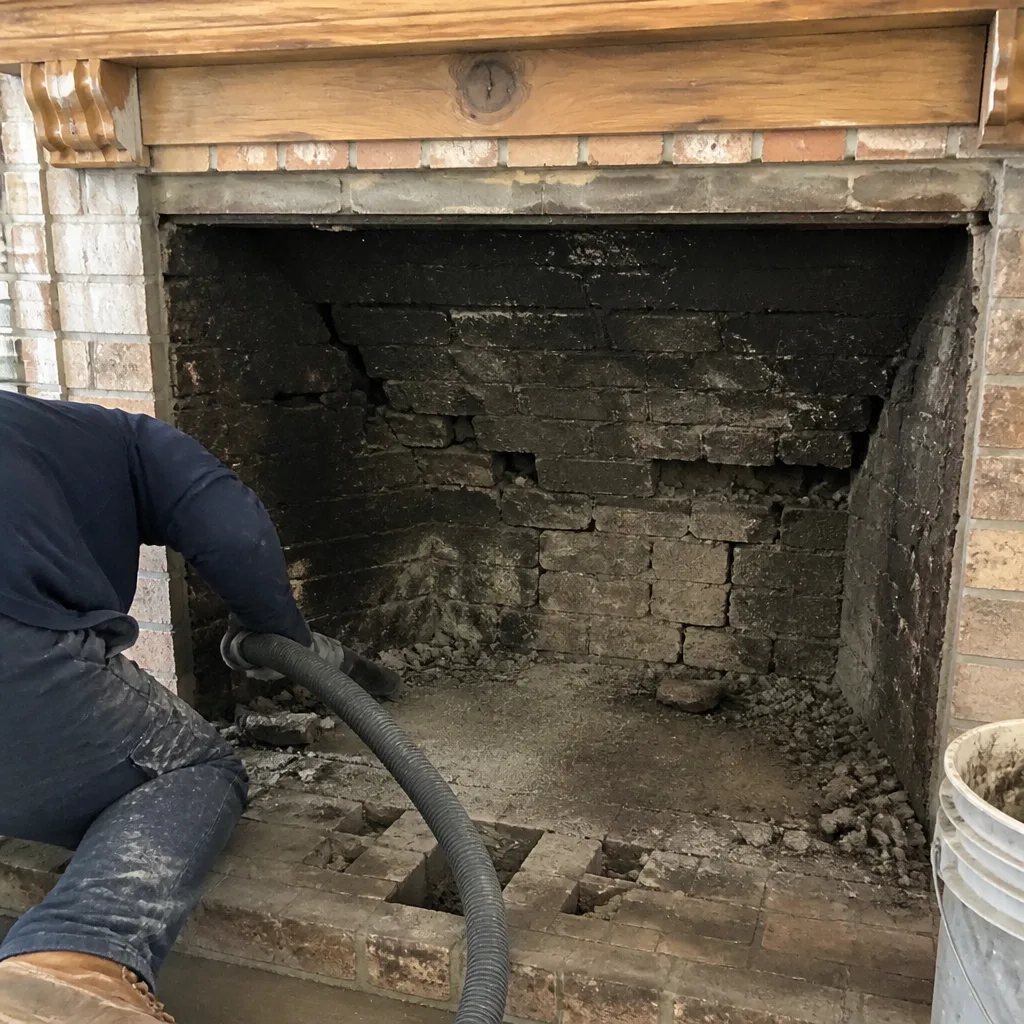
- Firebox and damper check. We examine the firebox brick, the mortar joints, the damper, and the smoke chamber for cracks, gaps, and deterioration.
- Flue cleaning. We sweep the flue with the right brushes for the liner type, removing soot and creosote and containing the dust.
- Camera inspection. We run a camera down the flue to look for cracks, gaps, blockages, and liner damage that isn’t visible from the top or the bottom. The photo report is yours to keep.
- Draft and pressure check. We check how the chimney is drafting and whether house pressure is affecting it.
- Written findings. We tell you what we found, what needs attention now, what can wait, and what it will cost. Nothing gets recommended without camera evidence you can see for yourself.
That last point matters. The reason homeowners hesitate to call a chimney company is the fear of being told they need thousands of dollars of liner or masonry work they have no way to verify. We show the photos. We tell you plainly when work can safely wait. And because we handle sweep, inspection, and repair under one roof, the findings are actionable on the same visit instead of turning into a report you have to shop around. If you’re in Abilene and you’ve noticed any of the signs in this guide, that’s the visit to book.
Our technicians have up to experience, and they work with the materials the chimney industry’s leading suppliers stock: DuraFlex liner systems, HeatShield ceramic resurfacing, and caps and venting components from Olympia Chimney and Gelco. The right liner for your flue, including offset and non-standard configurations, is part of the job. Rigid liner companies can’t always follow an offset flue. Flexible systems can.
Common Mistakes to Avoid
- Treating efflorescence as a cosmetic problem. Pressure-washing the white stain off the brick removes the evidence but leaves the water entry point open. The stain comes back, and the masonry behind it keeps deteriorating. Fix the crown, cap, or flashing first.
- Assuming a hairline firebox crack is just settling. Cracks in the firebox and smoke chamber are different from cracks in the exterior mortar. They can let heat and carbon monoxide into framed spaces behind the firebox, so they deserve a camera look rather than a shrug.
- Ignoring a smoke smell when the fireplace is cold. A persistent creosote or smoke odor in an unused room usually means draft reversal, a sealing failure, or heavy buildup. Air freshener doesn’t fix any of those.
- Burning wet or unseasoned wood to “use up” a pile. Wet wood produces more smoke and more creosote, and in a flue that already has deposits, that’s the fastest way to reach the glazed stage. Seasoned wood burns cleaner and puts less stress on the liner.
- Skipping the inspection because the fire “seems fine.” A chimney can draft well and still have cracked liner tiles, a damaged smoke chamber, or glazed creosote. The symptoms you feel aren’t the whole picture.
- Hiring a sweep-only crew when the inspection finds a problem. If the sweep turns up a liner crack or a failed cap, you want the repair handled by the same company that found it. Otherwise you’re coordinating two contractors and hoping the findings transfer.
- Assuming Abilene’s mild winters mean the chimney needs less attention. Mild winters don’t reduce creosote buildup or stop water intrusion. The chimney works the same way here as anywhere, and the summer storms do their own damage to the exterior.
When to Call a Professional
Call a professional if you’ve noticed any sign from the 30-day list and it’s been more than a year since the last sweep or inspection. Call immediately if you’ve seen smoke rolling back into the room, found cracked firebox brick with visible gaps, smelled a strong creosote odor with no fire lit, or had a carbon monoxide alarm go off. Call before the first cold snap if you haven’t had the chimney looked at this year, because that’s when the schedule fills. And call if you’ve moved into a home in Abilene and don’t know when the chimney was last serviced. A sweep and inspection on a new-to-you fireplace is the cheapest information you’ll ever buy.
Chimney Sweep Abilene offers free estimates in Abilene. Call (888) 359-2615. We answer 24/7. Fast dispatch from 7am to 7pm, Sunday through Friday. One company handles the sweep, the inspection, and the fix, so nothing falls between the cracks. Visit Chimney Sweep Abilene to see the full scope of what we do.
Frequently Asked Questions
Once a year for most wood-burning fireplaces, and more often if you burn frequently or notice any of the warning signs in this guide. Annual is the baseline because creosote accumulates whether or not the fire seems to be working well. Call (888) 359-2615 for an exact quote on a sweep and inspection; estimates are free.
It usually means draft reversal, a flue sealing failure, or heavy creosote buildup holding odor in the flue. Draft reversal happens when house pressure pulls air down the chimney; sealing failure means cracks or gaps are letting smoke residue into the living space. Either way, it’s worth a professional look. Call (888) 359-2615 to book an inspection; estimates are free.
Yes. White staining, or efflorescence, is a sign that water is moving through the masonry and leaving salts behind as it evaporates. It means there’s an active water entry point somewhere above, often a cracked crown or a failed cap. Pressure-washing hides it; fixing the source solves it. Call (888) 359-2615 for an exact quote; estimates are free.
Yes. A missing or tilted cap lets rain into the flue, which wets the liner and the smoke chamber and drives efflorescence and spalling. It also lets birds and debris in, which can block the flue and cause smoke to spill back into the room. A cap repair is one of the simpler fixes in chimney work, and it prevents some of the more expensive ones. Call (888) 359-2615 for an exact quote; estimates are free.
Settling cracks are usually hairlines in exterior mortar joints that haven’t widened or moved. Structural cracks appear in the firebox brick or smoke chamber, often with visible gaps or debris, and may widen over time or come with draft changes. The only reliable way to tell them apart is a camera inspection. Call (888) 359-2615 to book one; estimates are free.
Creosote keeps building up, and a flue that drafted fine last season can reach the glazed stage without any change you’d notice. Glazed creosote is the fuel for chimney fires, and it’s harder to remove once it hardens. Skipping one year isn’t an emergency, but skipping several in a row is how small issues become liner replacements. Call (888) 359-2615 for an exact quote; estimates are free.
The Bottom Line
The warning signs that matter most in an Abilene chimney are the quiet ones: a smoke smell in an unused room, white staining on exterior brick, a hairline firebox crack, a cap that’s sitting off-center. None of them are dramatic, and all of them are easy to explain away. The trick is to treat them as information rather than inconvenience. Signs on the 30-day list mean book an inspection soon. Signs on the stop-using list mean stop burning now. Creosote you can’t see means the annual sweep still matters even in a year when everything seemed fine. And if you’re not sure which list a sign belongs to, that’s the call to make. A camera inspection settles it, and the findings are yours to see.
If you’ve noticed any of these signs, call Chimney Sweep Abilene at (888) 359-2615 for a free estimate. We answer 24/7. Fast dispatch from 7am to 7pm, Sunday through Friday. One company handles the sweep, the inspection, and the repair, with professional-grade materials from DuraFlex, HeatShield, and Gelco. We tell you what we found, show you the photos, and tell you plainly when work can wait.
Written by the team at Chimney Sweep Abilene.
See the difference
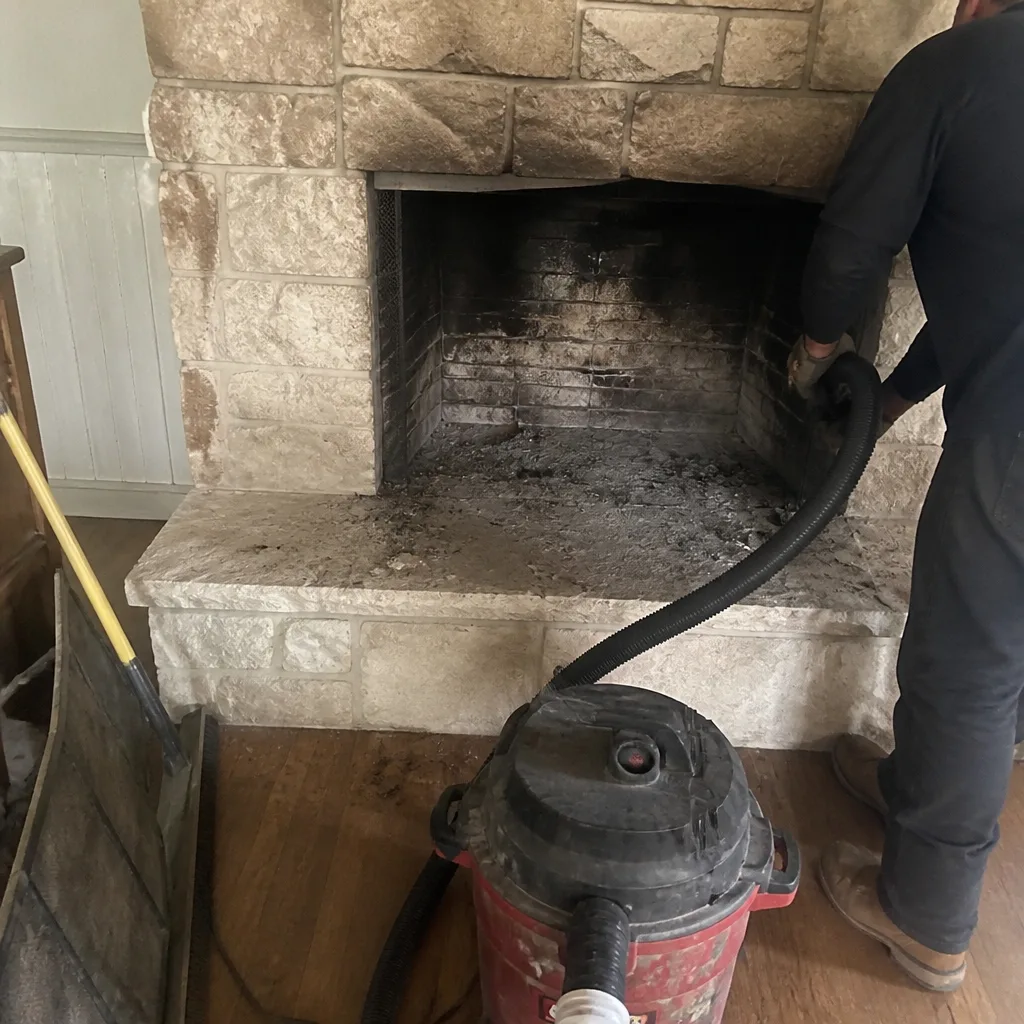 Before
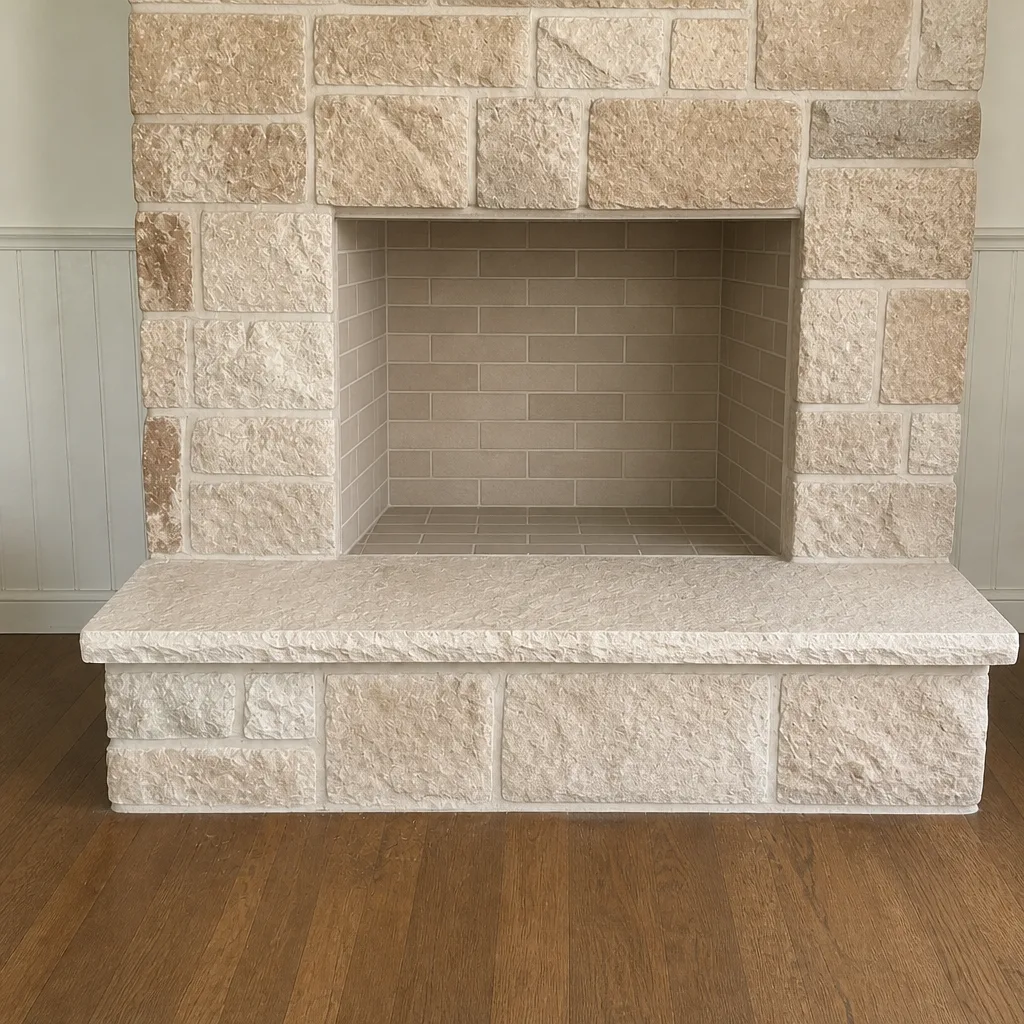 After
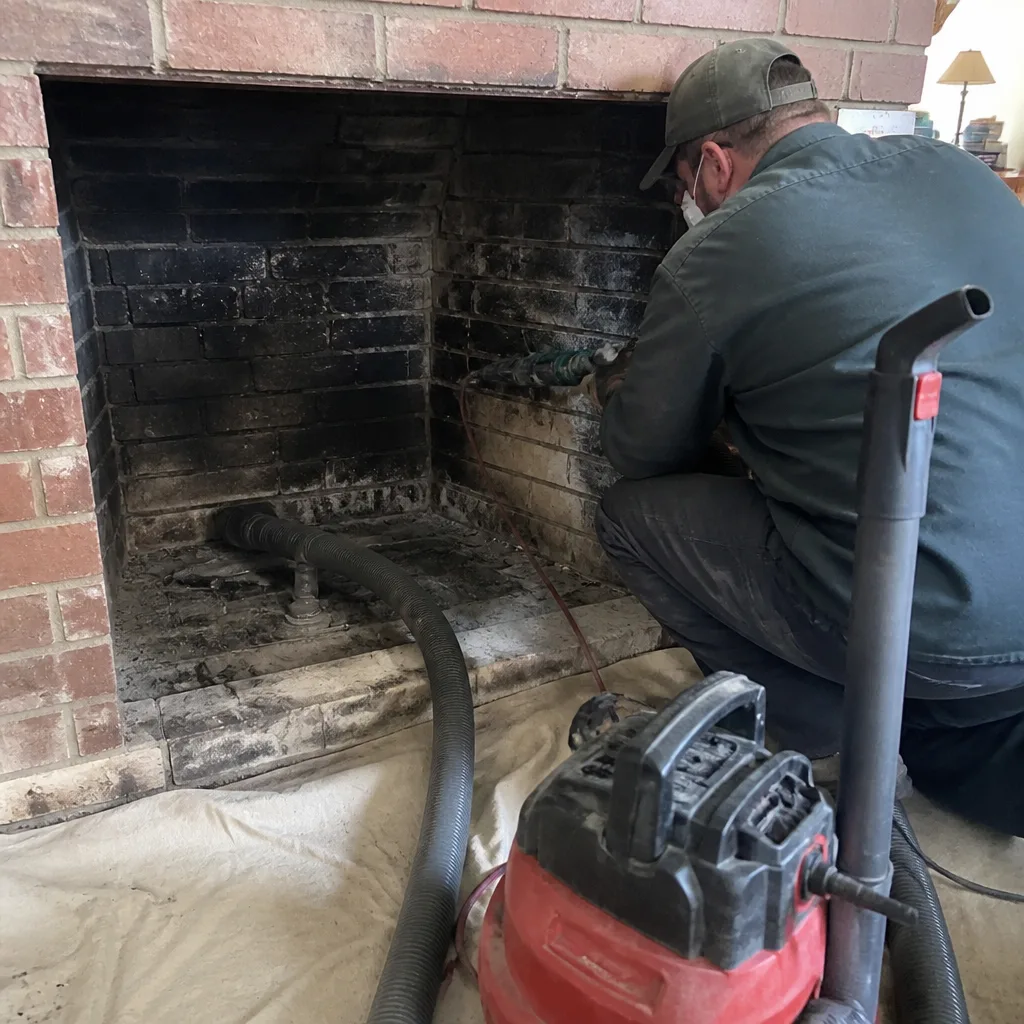 Before
 After
 Before
 After