
Last updated November 15, 2026
 Sweep & inspection
 Caps & crowns
 Flue relining
 Masonry repair
 Gas fireplace service
Level 1 sweep and inspection to the NFPA 211 annual standard - flue, crown, cap, and flashing checked and photographed
Chimney sweep logs do not sweep chimneys. They loosen some creosote - which then falls where a brush and vacuum still have to collect it.
Chimney Cleaning Permits, Codes & Inspections in Abilene, TX: What You Need to Know
Most homeowners assume building permits are for new construction. But replace a flue liner in Abilene without pulling the right paperwork, and you’ve handed your insurance company a legal exit if that liner ever contributes to a fire loss. Cleaning a chimney doesn’t require a permit in Texas. The work that inspection findings often trigger – liner replacement, firebox rebuilds, masonry reconstruction – can require one, and the gap between “we swept it” and “we did it by the book” is exactly where claims get denied. This guide maps where the permit line actually sits in Abilene, what the code standards expect, when a Level 2 inspection is legally required, and what paperwork to keep on file after any chimney work.
Quick Answer
Chimney sweeping does not require a permit in Abilene, but structural repairs – flue liner replacement, firebox rebuilding, and significant masonry work – typically do. Chimney work in Texas should be performed to NFPA 211 and IRC Chapter 10 standards. A Level 2 inspection is legally required during a real estate transaction and after any chimney fire, and the contractor performing permitted work is generally responsible for scheduling the city inspection.
Styles & brands we work with
- Sweep & inspection
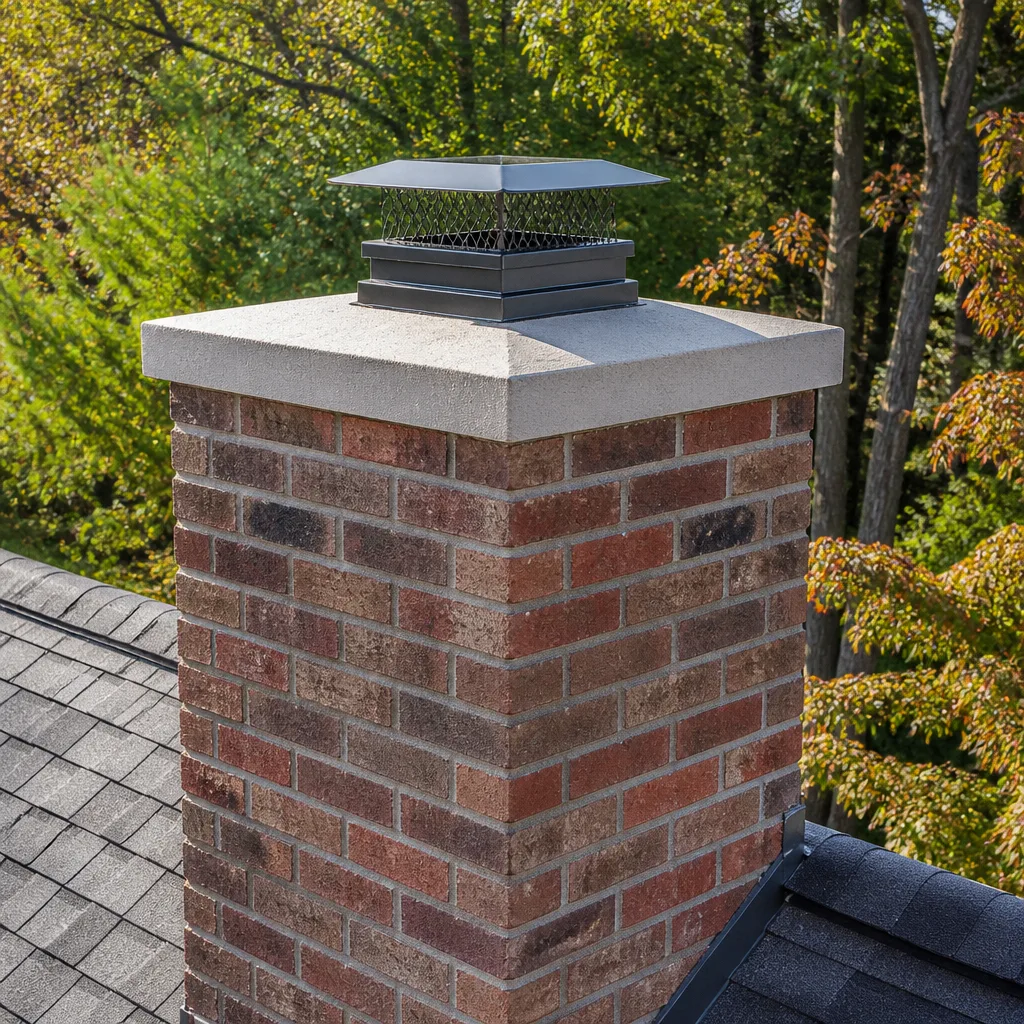
- Caps & crowns
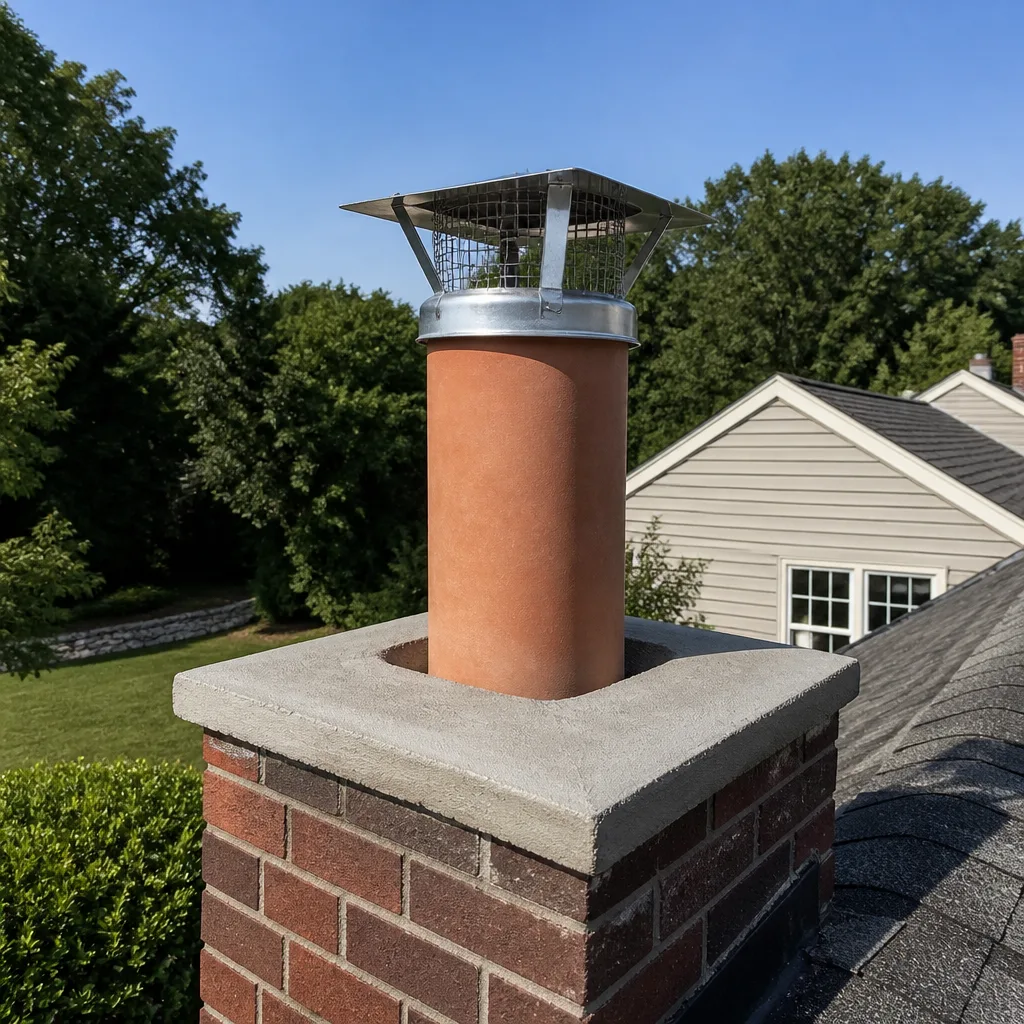
- Flue relining
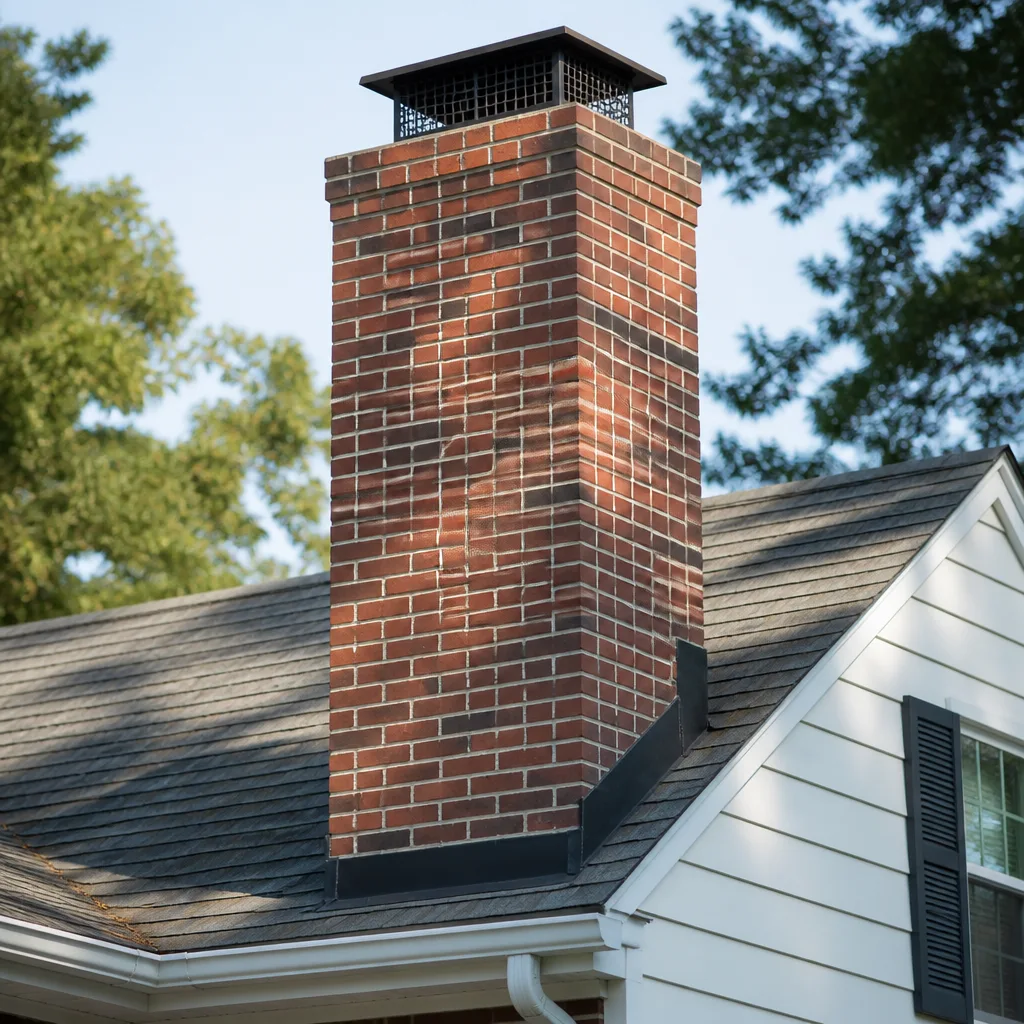
- Masonry repair
- Gas fireplace service
Table of Contents
- Where the Permit Line Sits: Cleaning vs. Repair in Abilene
- The Codes That Actually Govern Your Chimney: NFPA 211 and IRC Chapter 10
- When Is a Level 2 Inspection Legally Required?
- What Documentation to Keep After Any Chimney Work
- What Happens During a City Inspection of Chimney Repair Work
- How Permits and Paperwork Affect Your Insurance Claim
- Why Abilene Chimneys Have Their Own Set of Problems
- Questions to Ask Before You Hire Anyone
Where the Permit Line Sits: Cleaning vs. Repair in Abilene
The permit question comes down to one distinction: are we removing soot, or are we altering the structure of the chimney? Sweeping removes creosote and debris from an existing, unmodified flue. It doesn’t change the chimney’s construction, so it doesn’t trigger a building permit. Repair and replacement are a different category.
Work that typically requires a permit from the City of Abilene:
- Flue liner replacement, including switching from clay tile to a stainless flexible liner system
- Firebox rebuilding or significant firebox repair
- Masonry reconstruction of the chimney stack or exterior chase
- Chimney removal or partial demolition
- Adding a new chimney or fireplace to an existing structure
- Structural changes to the crown, damper assembly, or smoke chamber that alter the flue’s geometry
Work that generally does not require a permit:
- Standard chimney sweeping
- Level 1, Level 2, or Level 3 inspections
- Cap installation on an existing flue (though caps must meet code clearances)
- Minor mortar repointing on the crown or exterior
- Damper replacement with a like-for-like unit
We always recommend confirming with the City of Abilene’s building department before any repair begins. Permit requirements shift, and a five-minute phone call protects you far better than an assumption. When we quote a repair that will likely need a permit, we flag it up front so it isn’t a surprise mid-project. If you’re seeing signs that a chimney repair is coming, that’s the moment to ask the permit question, not after the work is done.
The Codes That Actually Govern Your Chimney: NFPA 211 and IRC Chapter 10
Two documents set the standard for chimney work in Texas: NFPA 211 (Standard for Chimneys, Fireplaces, Vents, and Solid Fuel-Burning Appliances) and Chapter 10 of the International Residential Code. A contractor who isn’t working to these standards is guessing, and guessing is expensive when a chimney fire happens.
NFPA 211 covers the installation, maintenance, and inspection of chimneys and vents. It defines the three inspection levels, sets clearance requirements for combustibles, and describes what a proper flue lining looks like. IRC Chapter 10 translates those standards into prescriptive code language that building inspectors use during plan review and final inspection. In practical terms, IRC Chapter 10 is the document Abilene’s building department will check your contractor’s work against.
What that means for you in plain terms:
- Your flue must be lined continuously from the firebox to the top of the chimney. Unlined flues or flues with gaps are code violations, regardless of how the chimney was originally built.
- Clearances to combustible material must be maintained. This is often why an old chimney in an older Abilene home fails inspection – the framing was built closer than modern code allows.
- Chimney height above the roof must meet the 3-2-10 rule: three feet above the highest point where the chimney passes through the roof, and two feet higher than anything within ten feet.
- Liner materials must be listed for the application – stainless flexible liners for wood-burning, aluminum for certain gas appliances, and masonry liners properly sized for the appliance.
- Caps and spark arrestors must be correctly fitted and listed for the flue.
When we install a liner, we’re using systems from manufacturers like DuraFlex and Olympia Chimney because those products carry the listings that make code compliance straightforward. Off-brand liners might be cheaper, but they can fail a city inspection or create a warranty void. Code compliance isn’t a technicality – it’s the standard that keeps your home safe and your insurance claim valid.
When Is a Level 2 Inspection Legally Required?
A Level 2 inspection is a more thorough evaluation than the routine Level 1 check performed during a sweep. It includes a visual inspection of accessible areas as well as the attic, crawl space, and any concealed portions of the chimney using video scanning equipment. There are two situations where a Level 2 inspection is not just recommended but legally required.
Real estate transactions. When a home changes hands, many lenders and insurers require a Level 2 inspection before the sale can close. The inspection documents the chimney’s condition and creates a written record that both buyer and seller can rely on. In Abilene’s housing market, where many homes have older masonry fireplaces, this inspection often surfaces issues the seller didn’t know about.
After a chimney fire. Any chimney fire – even a small one the homeowner suspects but didn’t witness – triggers the requirement for a Level 2 inspection. Chimney fires can damage flue liners, warp dampers, and crack masonry in ways that are invisible from the firebox. NFPA 211 is explicit on this point, and skipping the inspection after a fire event is one of the most common ways homeowners end up with an insurance problem.
Here’s a quick breakdown of what each inspection level covers:
- Level 1: Visual inspection of readily accessible portions during a routine sweep. Appropriate for annual maintenance when no changes have occurred.
- Level 2: Everything in Level 1 plus accessible attic, crawl space, and concealed areas, with video scanning of the flue interior. Required for real estate transactions and after chimney fires.
- Level 3: Everything in Levels 1 and 2 plus removal of building components to access concealed areas. Required only when a serious hazard is suspected and cannot be evaluated otherwise.
If you’re buying or selling a home in Abilene, schedule the Level 2 inspection before the option period ends. It gives you time to negotiate repairs, and it gives your insurer the documentation they’ll want to see before writing a policy. Our chimney repair team handles inspection and repair under one roof, so findings can turn into a plan on the same visit.
What Documentation to Keep After Any Chimney Work
If a chimney fire ever leads to an insurance claim, the file you keep after the last service call becomes the evidence that supports or sinks the claim. Most homeowners don’t realize this until it’s too late. Here’s what to keep, organized and dated.
- The inspection report – including the technician’s name, date, and inspection level. Level 2 reports should include photographs of the flue interior.
- The sweep or repair invoice – showing what was done and what materials were used. Material brand names matter; if a claim is contested, listed components support your case.
- Before and after photos – especially for repair work. We include photos in every report, and we recommend homeowners keep a digital copy.
- Permit documentation – the permit number, the final inspection sign-off from the city, and any correlation between the permit and the contractor who performed the work.
- Product specifications and listings – for liners, caps, and dampers. The manufacturer’s listing documentation shows the product met code standards.
- Any warranty paperwork – separate from the invoice, and kept wherever you keep your home’s other permanent records.
The best habit is to keep a single folder for chimney records – physical or digital – and add to it every time work is done. When you sell your Abilene home, that folder becomes a selling point. When an insurance adjuster asks follow-up questions after a fire, that folder becomes your defense. A sweep without a documented inspection is a guess with no paper trail behind it.
What Happens During a City Inspection of Chimney Repair Work
When a permit is pulled for chimney repair work, the City of Abilene may require one or more inspections at defined stages of the job. What happens depends on the scope: a liner replacement often needs a final inspection, while a masonry rebuild may require inspection at multiple stages before the chimney is closed up.
Here’s typically how the sequence works:
- The contractor pulls the permit before starting work, posting it on-site as required.
- Stage inspections occur at points defined by the permit, such as before a masonry chase is enclosed.
- The final inspection happens after all work is complete and the chimney is fully assembled. The inspector verifies clearances, checks the liner installation, and confirms the finished product meets IRC Chapter 10.
- The permit is signed off and closed, which becomes part of the home’s permanent record.
Who is responsible for scheduling? In most cases, the contractor who pulled the permit is responsible for scheduling inspections – not the homeowner. That’s one reason the permit line matters: if you hire an unlicensed or informal outfit that skips the permit, no one is responsible for the inspection, and your paperwork closes with a gap. When you work with us, permit scheduling is part of the job, and we walk you through what each inspection stage means.
The best advice for homeowners: ask at the start of the project who pulls the permit and who schedules the inspection. A contractor who hesitates on either question is worth reconsidering.
How Permits and Paperwork Affect Your Insurance Claim
Here’s the part the industry doesn’t say loudly enough: an insurance claim after a chimney fire can be denied if the work that led to the fire was unpermitted or performed in a way that violated code. That’s not a scare tactic. It’s how policy language works. Insurers expect work affecting the structural integrity of the chimney to have been done lawfully and documented.
Why unpermitted work is such a problem for a claim:
- It leaves no city inspection record, which an adjuster reads as evidence of unverified compliance.
- It often coincides with unlisted materials – liners without listings, caps that don’t match code clearances – that void coverage on their own.
- It can be cited by an insurer as “work performed outside code standards,” even if the fire wasn’t directly caused by that work.
- It complicates resale, because a future buyer’s inspection will reveal the missing permit and complicate their financing.
In our experience, the homeowner’s protection starts with choosing a contractor who pulls the permit when the work requires it, uses listed materials, and leaves a paper trail. The extra bureaucratic step is never the fun part of a project, but it’s the part that holds up when the stakes are highest.
We can work with your insurer if you’re filing a claim, and we’ll provide whatever documentation the adjuster requests. That doesn’t mean we guarantee coverage – we don’t control underwriting – but it does mean you’re not left trying to reconstruct records after the fact.
Why Abilene Chimneys Have Their Own Set of Problems
Abilene’s climate is mild compared to much of Texas, and its winters don’t put the same stress on chimneys that northern climates do. But that mildness creates its own issues. Because so many Abilene homes use their fireplaces only a few dozen evenings a year, creosote builds up slowly and mostly goes unnoticed. The cycle is slow enough that some homeowners stretch a sweeping schedule out to two or even three years – and by then glaze-stage creosote has set in.
Two Abilene-specific patterns we see:
- Low-frequency use, high creosote concentration. Occasional use cools the flue between burns, which increases the chance of incomplete combustion and creosote accumulation on cooler flue walls.
- Older masonry chimneys in the city’s historic neighborhoods. Many Abilene homes built decades ago have clay tile flues that were sized for the fireplaces of their era but don’t properly vent modern appliances. These almost always benefit from a proper inspection before they’re used regularly.
- Dust and debris from the prevailing winds. Abilene’s windier seasons can push debris toward caps and into flues. A properly fitted cap from Famco or Copperfield solves most of it.
- Gas insert retrofits. Many Abilene homeowners have added gas inserts to older fireplaces. These need their own venting evaluation – and often their own liner – which many original installations skipped.
If you’re in Abilene and your chimney hasn’t been inspected in the last few years, that’s the starting point. A proper chimney sweep and inspection establishes a baseline. The right fix depends on what’s actually there, not on what worked for a neighbor down the street.
Questions to Ask Before You Hire Anyone
Abilene has plenty of people who will clean a chimney for a low price. Very few of them will accurately tell you whether your liner meets code, whether a permit is needed, or whether the work they’re proposing would hold up under a city inspection or an insurance review. These are the questions that separate specialists from generalists.
Ask in order:
- “Which code standard do you work to?” The answer should include NFPA 211 and IRC Chapter 10. If the answer is vague, that’s the whole conversation.
- “What inspection level are you performing, and will I get a written report?” A routine sweep is a Level 1. If you’re after a repair, buying a house, or have had a chimney fire, the answer should be Level 2 – with photos.
- “Will this repair need a permit, and who pulls it?” The contractor should know the answer for the specific repair and offer to pull the permit themselves.
- “What liner or product system do you install?” The answer should name listed systems from established suppliers. DuraFlex and Olympia Chimney are the kind of names to listen for.
- “Can you do the repair yourself, or will I need a second contractor?” A sweep-only company can’t fix what they find. One company handling sweep, inspection, and repair keeps the paper trail intact.
- “What documentation do I leave with?” Report, invoice, permit records, and photos. Anything less is a yellow flag.
Choosing carefully is the cheapest insurance you’ll buy on this. The right specialist will answer every one of these without hesitation.
Common Mistakes to Avoid
- Skipping a permit on a liner replacement because “it’s just a liner.” Liners are structural to the chimney’s function and often need a permit in Abilene. Skipping one is the shortest path to a denied claim.
- Treating a sweep as a substitute for an inspection. A sweep without a documented inspection leaves you with no evidence about the flue’s actual condition. If anything goes wrong later, you have no paper trail to rely on.
- Choosing the lowest bid without asking about code compliance. Cheap work often skips the permit, the listing documentation, and the inspection report. The cost difference is nothing compared to a claim denial.
- Ignoring a suspected chimney fire. Even a small fire the homeowner wasn’t sure about requires a Level 2 inspection. Skipping it is one of the most common causes of structural damage going undetected.
- Not keeping documentation. Invoices, reports, and permit records that aren’t organized into a single folder tend to disappear by the time an adjuster needs them.
- Scheduling cold-season work in a rush. Abilene’s first cold snap triggers a wave of chimney calls. Booking a sweep and inspection earlier in the year means no scramble, and leaves time for any repairs the inspection turns up.
- Hiring a sweep who can’t repair what they find. If the sweep says “you need a new liner” and hands you a phone number for someone else, the paper trail breaks. One specialist handling sweep, inspection, and repair keeps everything documented.
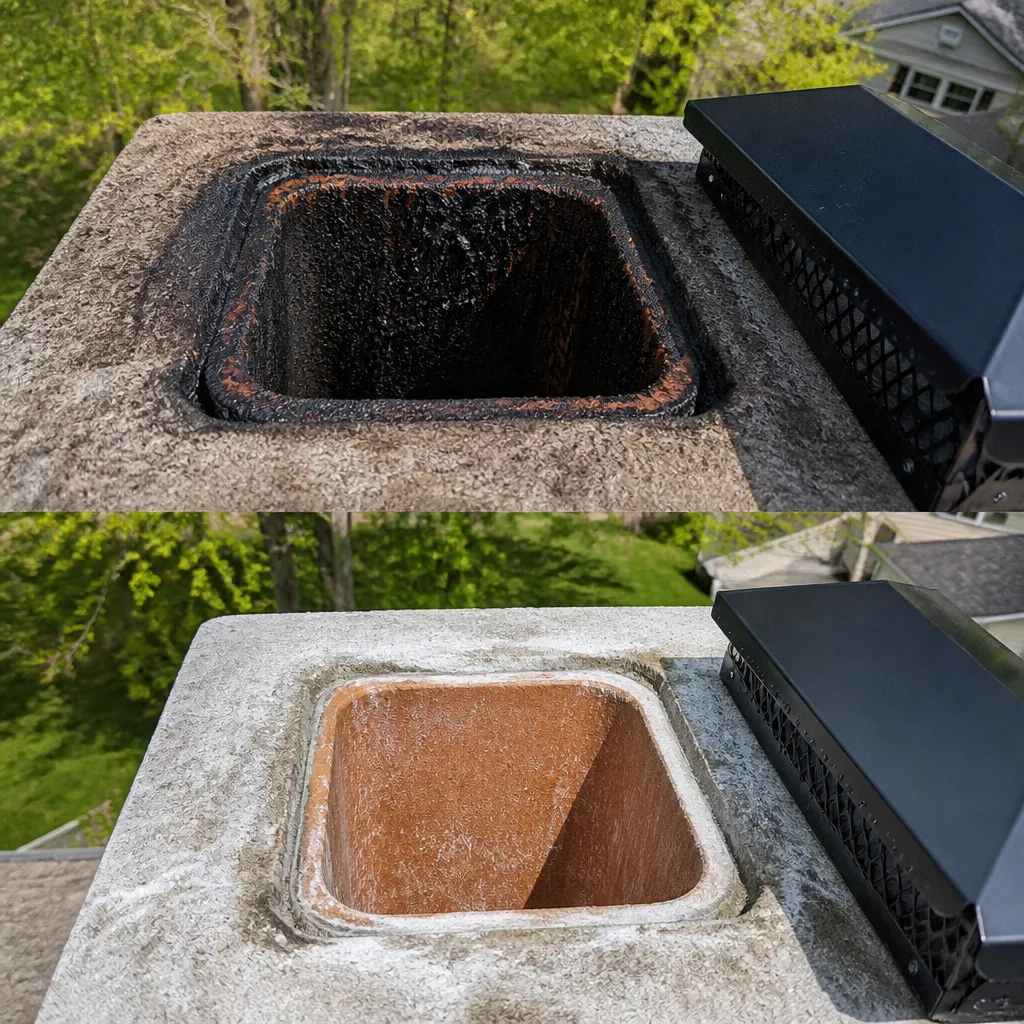
See the difference
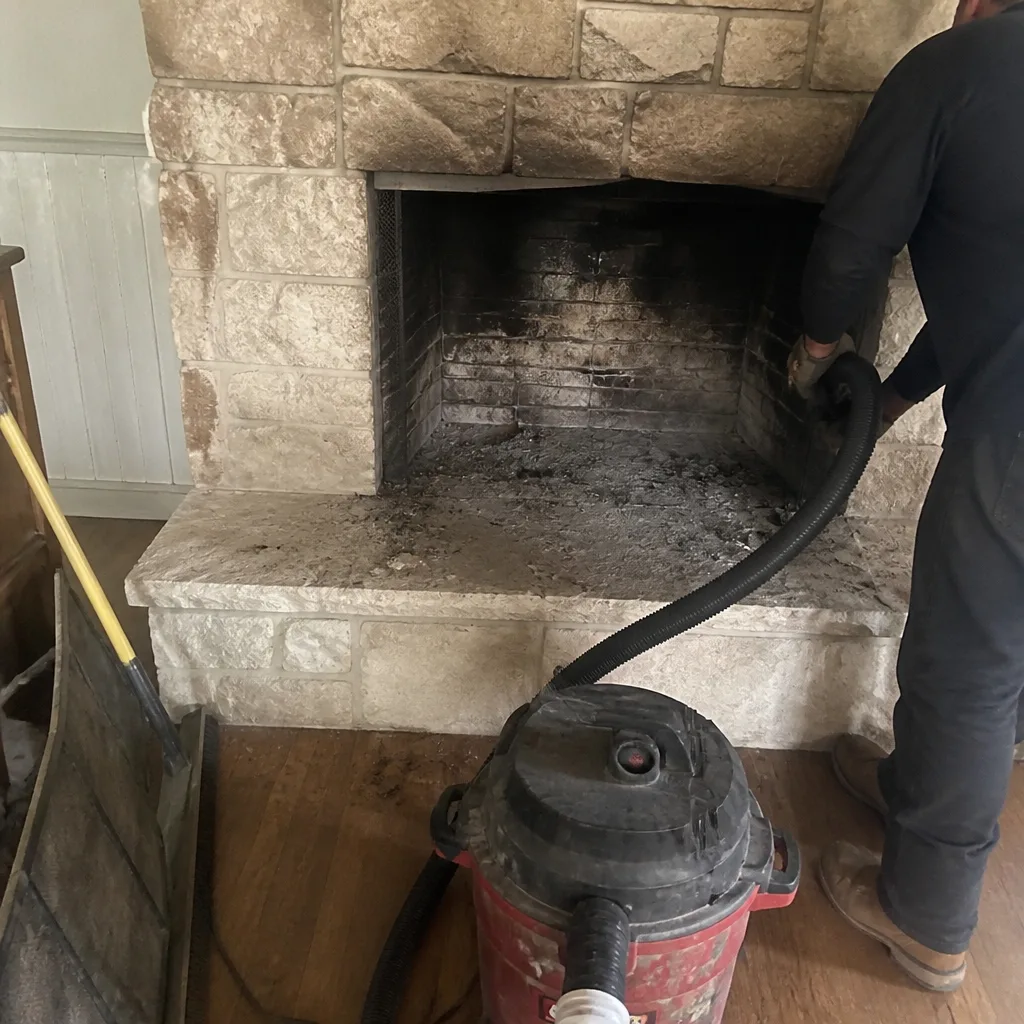 Before
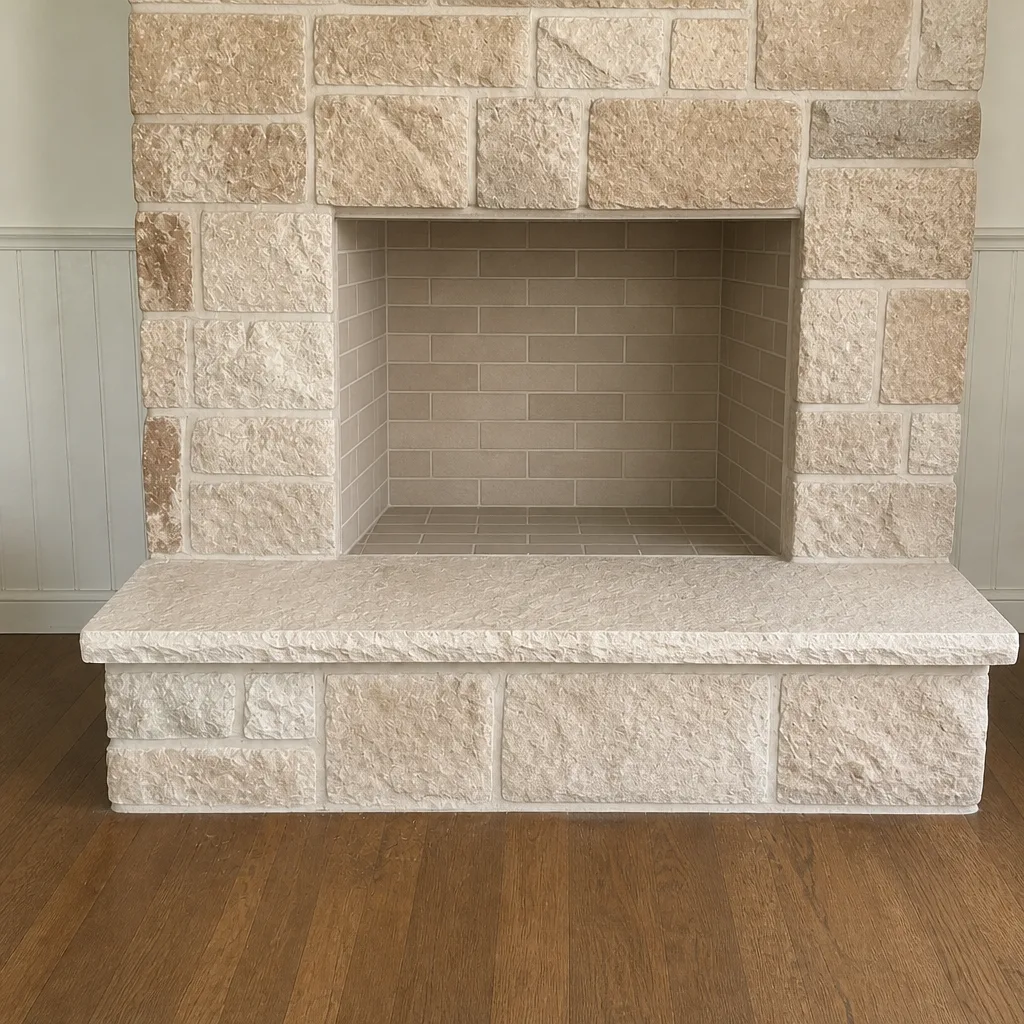 After
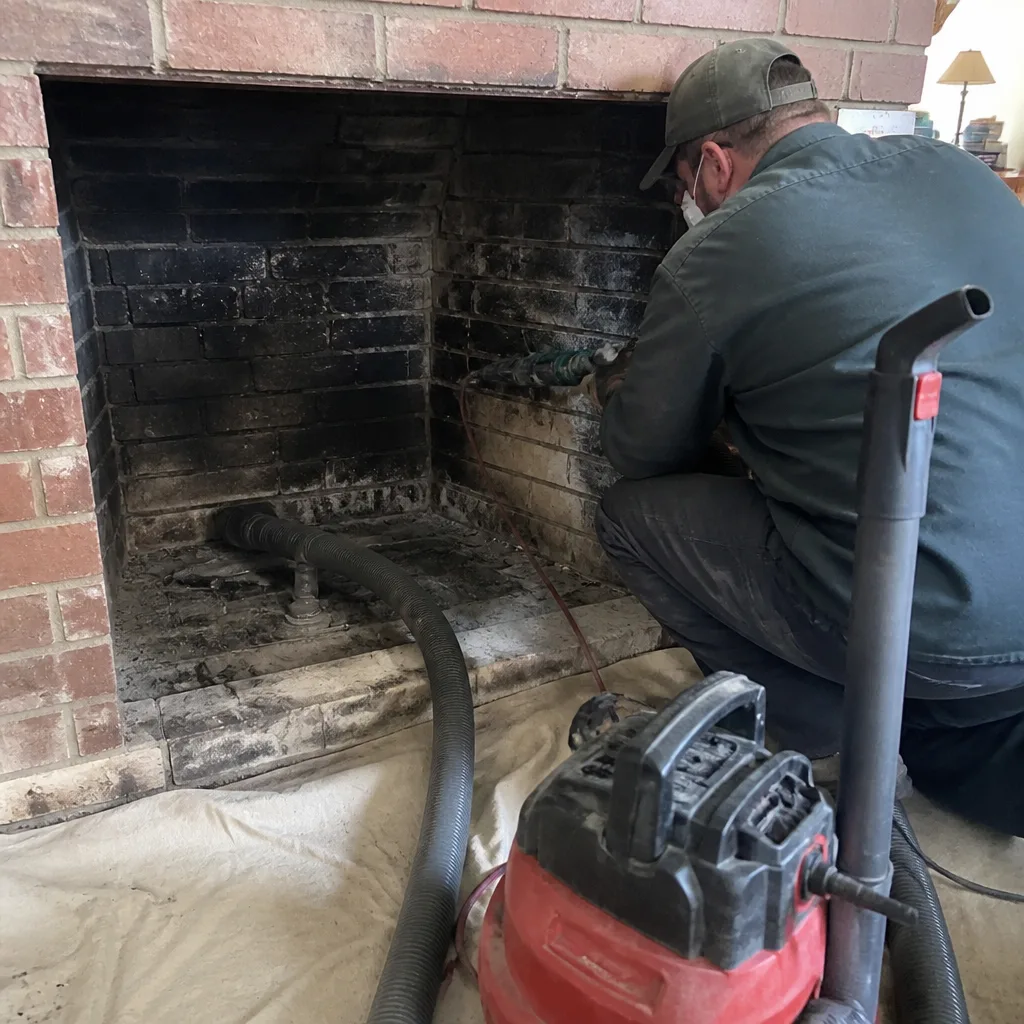 Before
 After
 Before
 After
When to Call a Professional
Call a specialist when a fireplace hasn’t been used in years and you’re ready to start again, when you’re preparing an Abilene home for sale and need a Level 2 inspection, or when you’ve had any chimney fire – even one you suspect but didn’t witness. Call before anything gets lit after a long gap, and call before any repair work begins on an older masonry chimney. A trained professional should handle all liner and structural work; the springs and internal components aren’t the only hazard in a chimney, and any work involving the flue’s integrity is not a homeowner job. Chimney Sweep Abilene offers free estimates in Abilene – call (888) 359-2615. We answer 24/7. Fast dispatch from 7am to 7pm, Sunday through Friday.
Frequently Asked Questions
No. Chimney sweeping alone does not require a permit in Abilene. Permits come into play when the work alters the chimney’s structure – liner replacement, firebox rebuilding, or masonry reconstruction. If you’re unsure whether your specific project triggers a permit, ask the City of Abilene’s building department. Call (888) 359-2615 for an exact quote on a sweep – estimates are free.
Your contractor should be working to NFPA 211 and Chapter 10 of the International Residential Code. NFPA 211 sets the standard for chimney installation, maintenance, and inspection. IRC Chapter 10 translates those standards into concrete requirements used by building inspectors during permit review. A contractor who can’t name both standards is not the right specialist for structural work. Call (888) 359-2615 to schedule a free estimate – estimates are free.
A Level 2 inspection is legally required in two situations: during a real estate transaction and after any chimney fire. It includes a video scan of the flue interior and evaluation of accessible attic and crawl space areas that a routine Level 1 inspection skips. If you’re buying or selling a home in Abilene, call (888) 359-2615 to schedule – estimates are free.
Yes, it can. Insurers can deny a claim if the work that contributed to a loss was performed outside code standards or without required permits. The absence of a permit means there’s no city inspection record, and an adjuster may read that as evidence of unverified compliance. Keeping documentation and using a licensed, permitted contractor is the way to protect yourself. Call (888) 359-2615 for an exact quote on documentation – estimates are free.
In most cases, the contractor who pulled the permit is responsible for scheduling the inspection rather than the homeowner. That’s one reason the permit question matters so much: if a contractor skips the permit, no one schedules the inspection and the paperwork has a hole in it forever. Ask at the start of the project who is pulling the permit and who is scheduling the city inspection. Call (888) 359-2615 to get started – estimates are free.
Stop using the fireplace and schedule a Level 2 inspection before any further burning. Even a chimney fire you suspect but didn’t witness can damage the flue liner in ways that aren’t visible from the firebox. Don’t assume it’s fine because the fire went out on its own.
The Bottom Line
Chimney sweeping doesn’t require a permit in Abilene, but the work that an inspection often finds does – and lining replacement, firebox rebuilding, and masonry reconstruction without a permit can leave you without insurance coverage on the very structure you were trying to protect. The standards that matter are NFPA 211 and IRC Chapter 10. A Level 2 inspection is legally required when a home changes hands and after any chimney fire. Keep every record: inspection report, repair invoice, permit sign-off, product documentation. One company handling sweep, inspection, and repair – working from listed materials like DuraFlex liners and HeatShield ceramic resurfacing – keeps the paperwork clean and the chimney safe.
If you’re ready to get the paperwork and the chimney right, call Chimney Sweep Abilene at (888) 359-2615 for a free estimate. We answer 24/7. Fast dispatch from 7am to 7pm, Sunday through Friday. If you’re starting from zero and want an overview of our services, the team at Chimney Sweep Abilene handles everything from the annual sweep to the structural repairs the inspection turns up.
For first-time customers in Abilene who want to know exactly what to expect from a full inspection, we’re glad to walk through the process before you book. Call (888) 359-2615. We answer 24/7.
Written by the team at Chimney Sweep Abilene.