
Last updated November 15, 2026
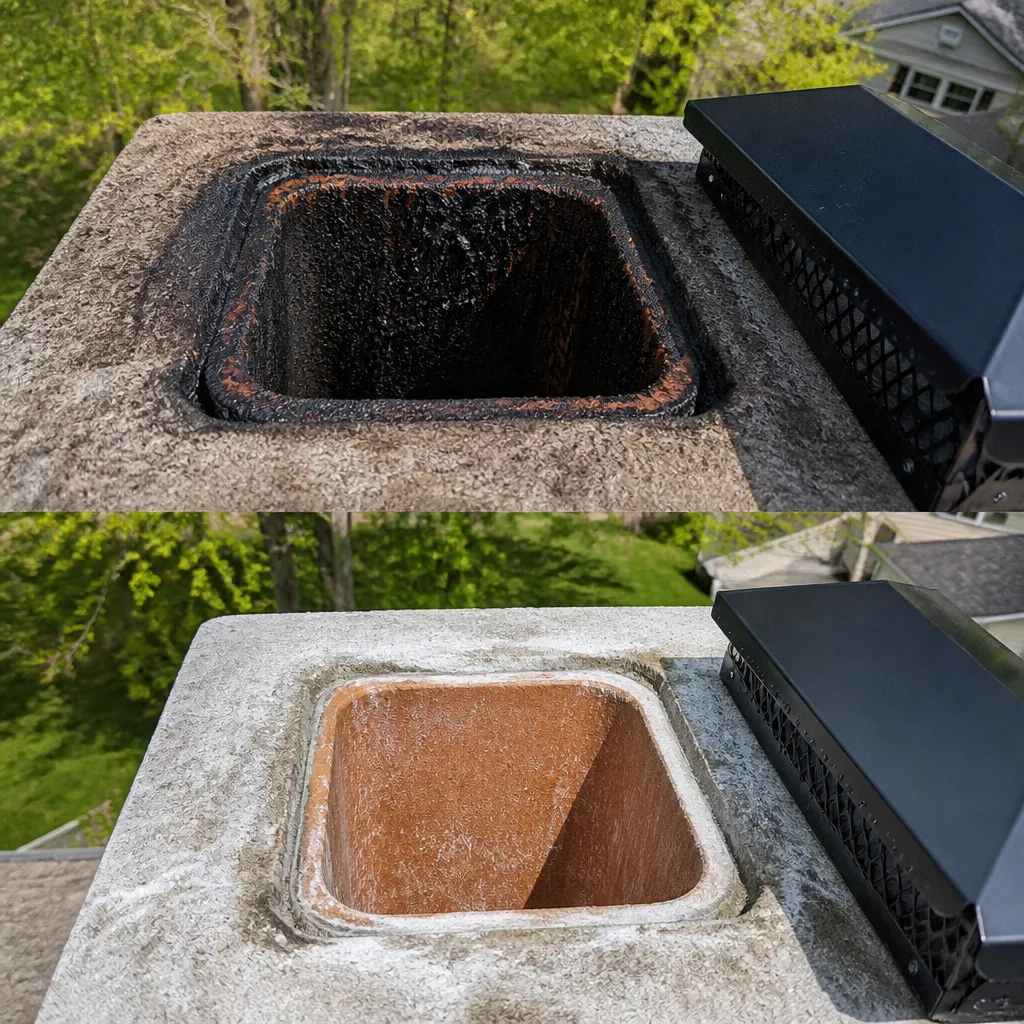 Sweep & inspection
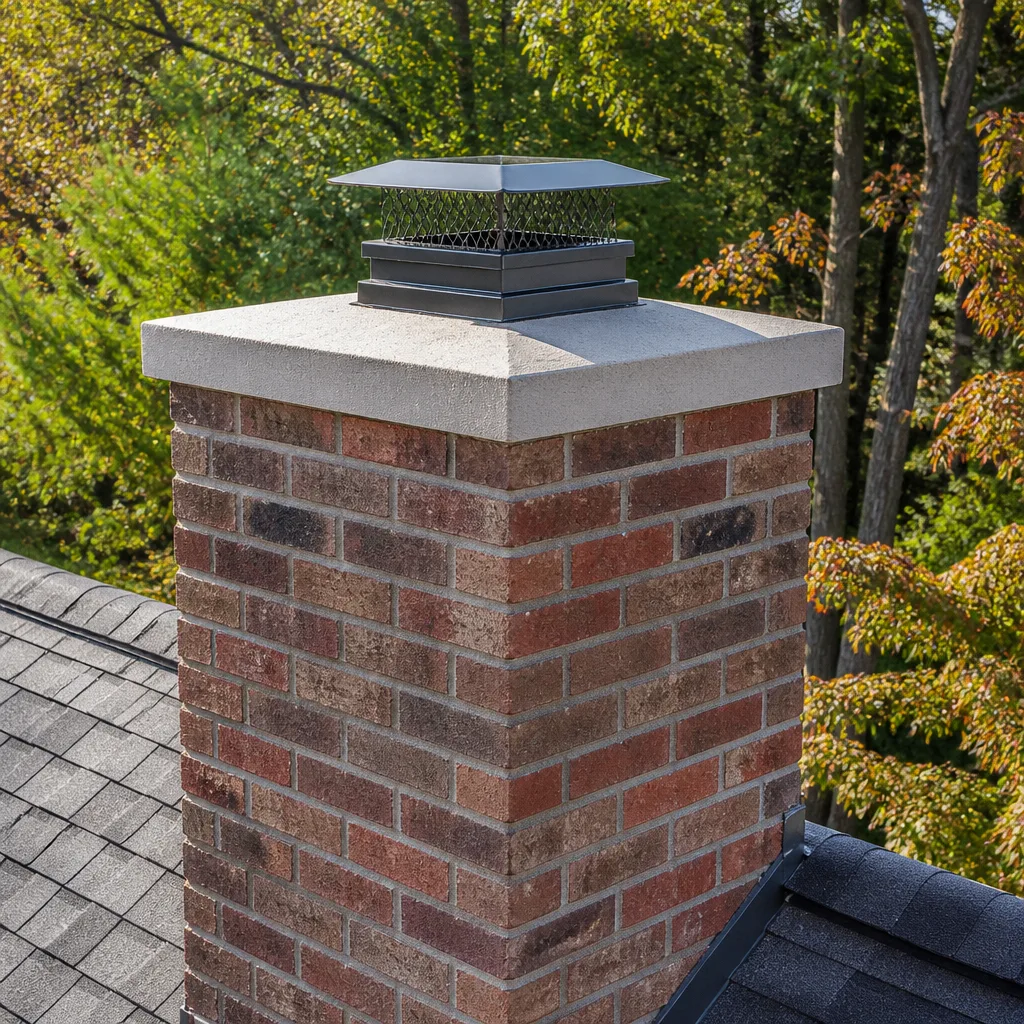 Caps & crowns
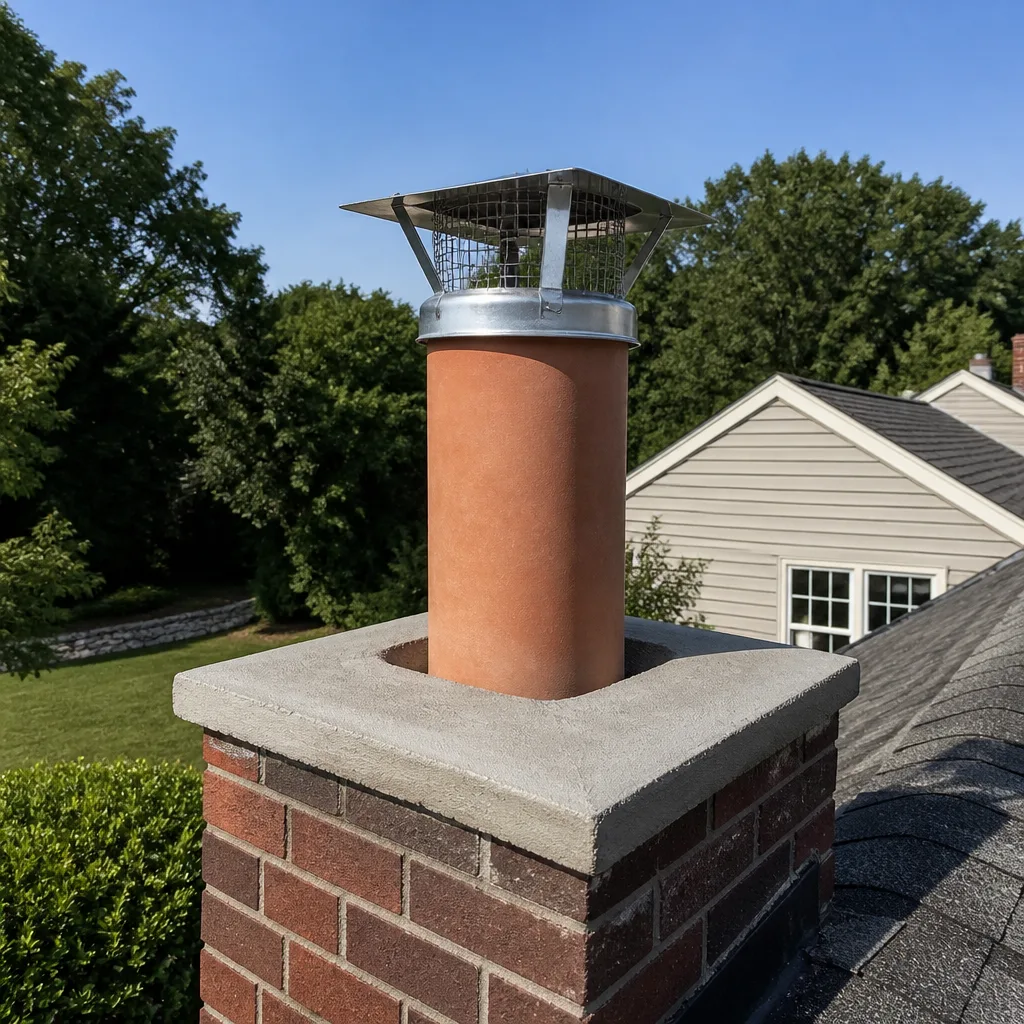 Flue relining
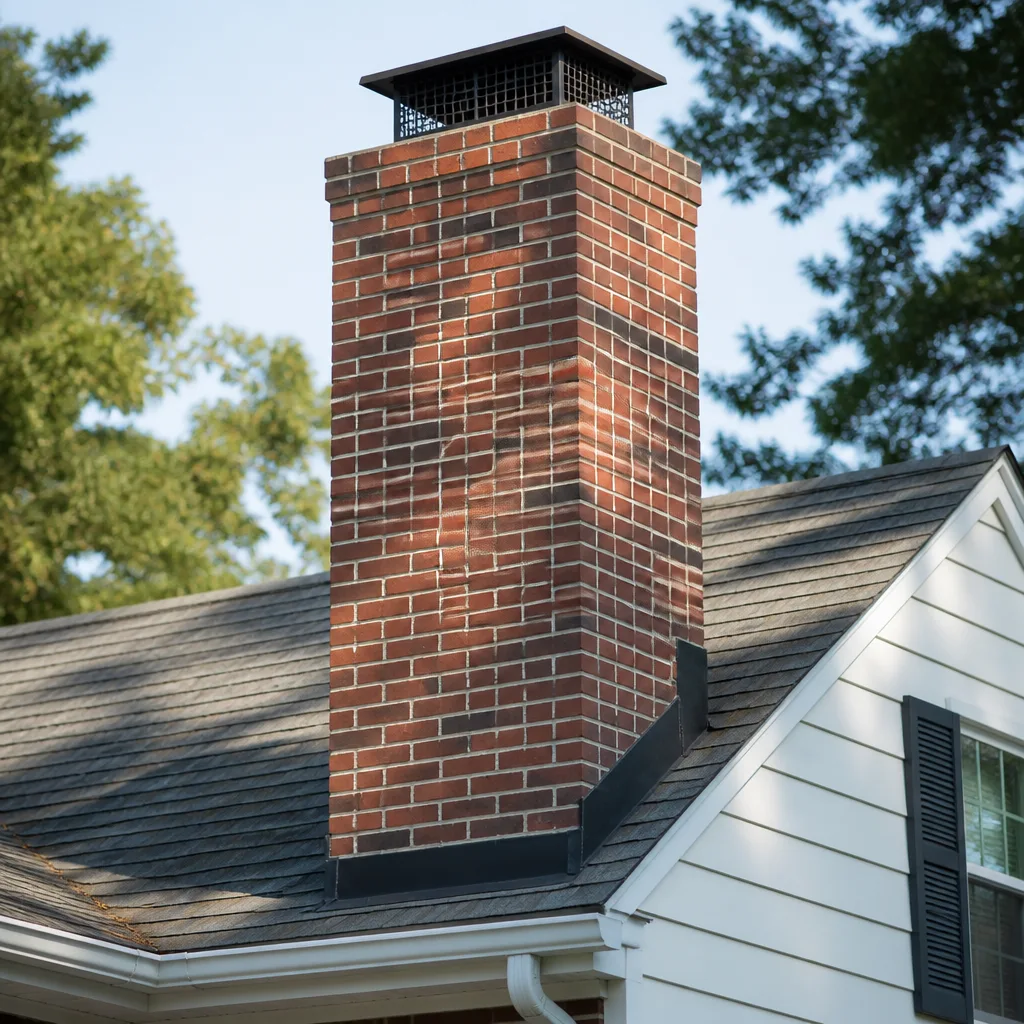 Masonry repair
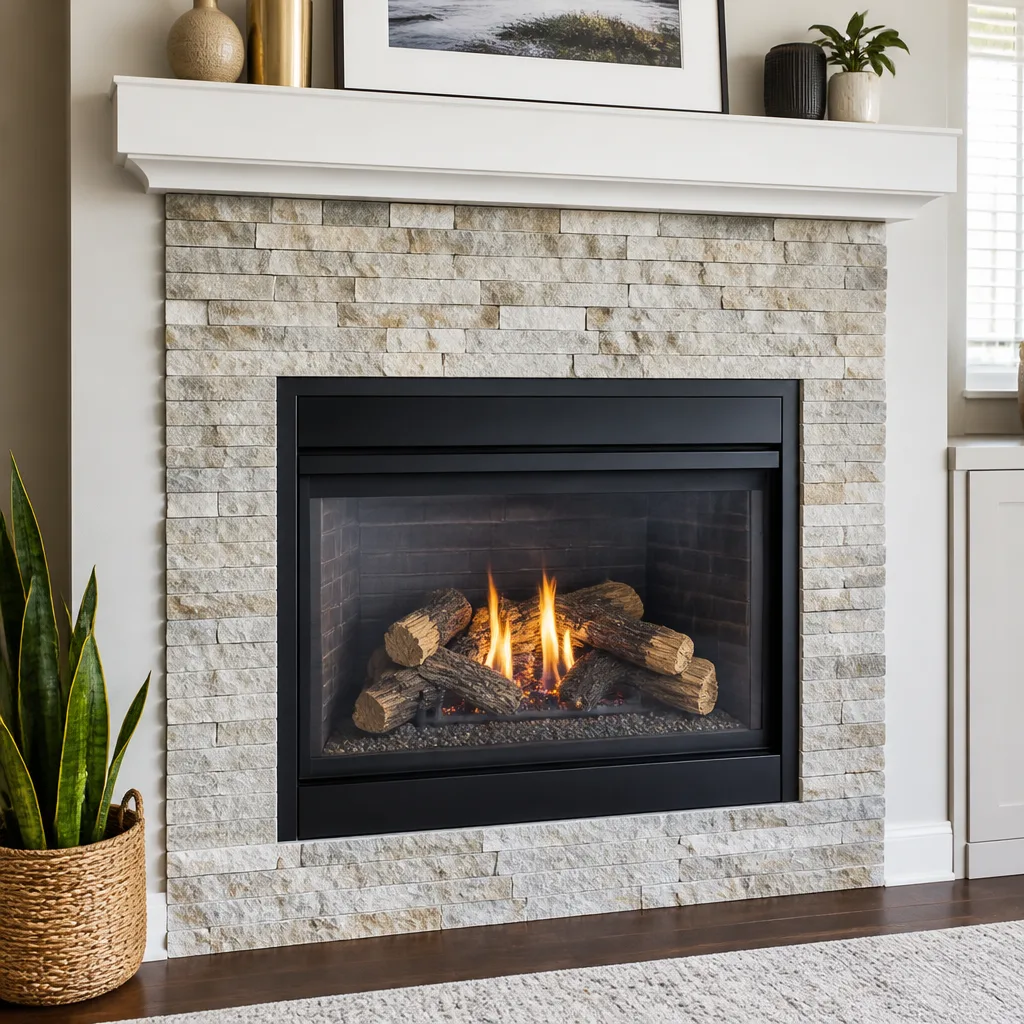 Gas fireplace service
Level 1 sweep and inspection to the NFPA 211 annual standard - flue, crown, cap, and flashing checked and photographed
Chimney sweep logs do not sweep chimneys. They loosen some creosote - which then falls where a brush and vacuum still have to collect it.
Seasonal Chimney Cleaning Care for Abilene: Year-Round Homeowner’s Guide
Most chimney advice treats the job as a fall errand: sweep before the first fire, then forget it until next October. In Abilene, that schedule leaves a chimney exposed to two very different threats in the same year. Summers that push past 100°F bake creosote deposits into harder, stickier residue, and sudden cold fronts later crack mortar that drought has already dried out. The result is that a chimney cleaned in early fall can need attention again by spring, and a firebox that sat unused through July can have surprises waiting in October. This guide lays out a month-by-month care calendar built for Abilene’s specific weather rather than borrowed from northern chimney advice. You’ll learn what to check each season, why the timing of a sweep matters more than most homeowners realize, and where a professional’s eye makes the biggest difference.
Quick Answer
Chimney care in Abilene works best as a four-season cycle, not a single fall sweep: inspect in spring after the burning season ends, check the cap and crown through summer heat, sweep in early fall before the first fire, and monitor the firebox through winter cold snaps. Each step addresses a different local stressor, and skipping any of them means the next season starts with a problem that was cheaper to catch earlier.
If you want a single rule to hold onto: get your sweep scheduled before the first real cold front, and get eyes on the masonry after the last fire of spring. Everything else in this guide supports those two anchors.
Styles & brands we work with
- Sweep & inspection
- Caps & crowns
- Flue relining
- Masonry repair
- Gas fireplace service
Table of Contents
- Why Abilene’s climate asks more of your chimney than a northern winter
- The Abilene chimney care calendar, month by month
- How summer heat changes creosote and why it makes fall cleaning harder
- Drought, mortar shrinkage, and the West Texas gap between seasons
- Spring nesting season: caps, crowns, and animal intrusion
- What to do after an early cold snap forces a fire before your sweep
- Mid-winter firebox monitoring: what to watch and what to stop doing
- How a seasonal sweep and inspection actually go
Why Abilene’s Climate Asks More of Your Chimney Than a Northern Winter
A chimney in a cold northern city lives through one long, steady stress: freezing temperatures for months. A chimney in Abilene lives through a swing between extremes in the same year. The masonry expands under summer heat, then contracts when a cold front drops temperatures quickly, and the cycle repeats. That repeated movement is harder on mortar joints and on the bond between a clay tile liner and the surrounding brick than a single long freeze would be.
On top of the thermal movement, this part of West Texas runs dry. Long stretches without rain pull moisture out of brick and mortar, and joints that looked tight in April can show hairline gaps by August. Those gaps are entry points for water, and water in a chimney is what turns a small crack into a bigger repair the following year.
The other half of the problem is what’s inside the flue. Summer heat doesn’t remove creosote; it hardens it. Deposits left after a spring fire season go through months of high temperatures, and the glazed, tar-like stage that forms is far more stubborn to remove than fresh soot. A fall sweep on a chimney that was last cleaned a year earlier takes longer and demands more scraping than one that was cleaned the previous fall.
This is the reasoning behind a seasonal approach rather than an annual one. Each season in Abilene stresses a different part of the system, so each season deserves its own check. None of these checks is expensive when done separately. Grouped into a single visit after a problem has developed, they rarely are.
The Abilene Chimney Care Calendar, Month by Month
Here is the cycle we walk homeowners through when they ask what a year-round plan looks like. The months are anchors, not hard deadlines; a mild winter shifts things a few weeks either way. What matters is the order and the reason behind each step.
- March and April – post-season inspection. The burning season winds down. This is the best time to have the flue and masonry checked while the wear from a full winter of fires is fresh and any crack or gap is easy to see. It’s also before spring rain and nesting pressure arrive.
- May and June – the last fire to the first heat. Clean the firebox and ash pit thoroughly once the season truly ends. Leftover ash holds moisture and odors through the summer. Check the cap and the crown now, before summer sun and animals get a chance to work on them.
- July and August – the summer walk-around. Do a simple visual from the ground and, if you can do it safely, from a ladder: look for cracked crown cement, missing cap mesh, rust on the chase top, and any mortar that has crumbled at the shoulders. Note anything that concerns you and have it looked at before fall.
- September and early October – the pre-season sweep. Book the sweep and inspection before the first cold front. This is the single most important date on the calendar, and it’s the one people book too late.
- Late October through February – winter monitoring. Watch the firebox during the burning season, listen for new sounds, and note any smoke that rolls back into the room instead of rising. Keep an eye on the roof after any cold snap that produces a quick temperature drop.
Notice that only one of those five steps is a sweep. The rest are inspections and checks, which cost far less than a repair and catch the problems that turn into one.
How Summer Heat Changes Creosote and Why It Makes Fall Cleaning Harder
Creosote moves through stages. Fresh deposits after a season of fires are sooty, dry, and easy to brush. Left in place, the same deposits absorb heat and moisture over the summer, soften, and re-harden into a glazed, tarry layer that clings to the flue walls. By the time the fall sweep happens, that glazed stage is what the brush meets.
What that means in practice:
- A fall sweep after a neglected summer takes longer. Glazed creosote doesn’t come off with a light pass. It needs mechanical scraping and sometimes a chemical treatment to soften it before removal.
- There’s more to remove. Two seasons of deposit, not one, are sitting on the flue walls. The volume alone makes the job heavier.
- Hidden problems stay hidden longer. A thick creosote layer can bridge over a cracked flue tile or a damaged joint, so the inspection that should have caught it gets pushed back a year.
One more thing to keep in mind: a heavy creosote layer is a fire-load issue. Creosote is what burns when a chimney fire starts, and glazed deposits are the most combustible form. A chimney with a thick glazed layer is not a chimney you should be lighting without a professional’s assessment first.
This is where working with the right materials in the repair phase pays off. If a sweep turns up a damaged flue, HeatShield ceramic resurfacing can restore the liner without a full replacement in many cases, and DuraFlex flexible liner systems handle offset and non-standard flue configurations that rigid liner products can’t fit. Getting the sweep and the repair decision made by the same specialist means the finding and the fix don’t get separated by weeks of contractor hunting.
Drought, Mortar Shrinkage, and the West Texas Gap Between Seasons
Mortar is a mix of sand, cement, and lime, and it moves as it dries. In a wet climate, mortar stays slightly swollen and the joints hold tight. In a dry one, the mortar shrinks, and the joint between it and the brick opens a hairline. That process happens slowly through a dry summer, and it’s why chimney inspections in Abilene focus so much attention on the joints themselves, not only on the flue.
The places to look:
- The crown, the cement cap at the top of the chimney. Cracks here let water straight into the structure. A crown that was intact in spring can show a split by late summer.
- The shoulders, where the chimney rises out of the roofline. This area takes the most sun and the most thermal movement.
- The joints above the roofline, which see the widest temperature swing of any part of the chimney.
- The firebox and smoke chamber mortar, which take heat directly and are often the first place a gap appears.
Ground-level visual checks catch some of this, but not all of it. Fine joint cracks are hard to judge from below, and smoke chamber damage isn’t visible without an inspection. That’s the argument for a spring inspection rather than waiting until the fall. Catching a hairline crack in spring means a small repointing job; finding it in October means water has had a full rainy season to get in.
Our technicians have up to experience reading these patterns in West Texas masonry, and the tell is often the same: a homeowner who reports “nothing looked wrong in the spring, but by August it did.” That gap is where a seasonal inspection earns its cost.
Spring Nesting Season: Caps, Crowns, and Animal Intrusion
Spring is when birds, squirrels, and other animals look for a sheltered place to nest, and an open chimney flue is exactly what they’re after. A missing or damaged cap is the invitation. Once a nest is built, the flue is blocked, and lighting a fire under a blocked flue sends smoke and carbon monoxide back into the house instead of up the chimney.
The spring check is straightforward, and it’s worth doing before nesting season gets going:
- Look at the cap from the ground. It should sit firmly on the flue, with mesh intact and no gaps at the edges. A cap that’s loose or missing is the main risk.
- Check the mesh size. Wide mesh lets birds in; standard chimney caps are built to keep them out. If the mesh has rusted or torn, replace it.
- Listen before you light. If you hear scratching or fluttering in the flue, don’t light a fire. Have the flue checked and the animal removed professionally.
- Look at the crown at the same time. Nesting season and crown-check season overlap, so a single spring look covers both.
Properly fitted caps and venting components matter more than most homeowners expect, which is why we work with product lines like Copperfield and Gelco for caps, covers, and venting. A cap that fits the flue correctly and stays put through a West Texas wind season is a far better investment than a generic cover that works loose within a year.
What to Do After an Early Cold Snap Forces a Fire Before Your Sweep
Abilene gets cold fronts that arrive earlier than expected, and sometimes the first hard freeze of the year lands before the fall sweep is scheduled. It happens, and the answer isn’t “don’t light a fire.” The answer is to light one knowing what to check first.
Before the first fire of the season on an unswept chimney:
- Look up the flue. Open the damper and use a flashlight to see whether there’s an obvious blockage, a nest, or heavy soot at the top of the firebox.
- Check the firebox for loose mortar or cracks. A gap at the firebox joint is a path for smoke and heat into the structure.
- Use dry, seasoned wood only. Green or damp wood produces more creosote, and on an unswept flue you want to add as little as possible.
- Don’t burn a large hot fire. A small, moderate fire is safer on a flue with unknown deposits than a blazing one. If you notice a roaring sound, a smell of hot metal, or smoke rolling into the room, put the fire out and call a professional.
- Book the sweep for the first available slot. An early fire isn’t a reason to skip the sweep; it’s a reason to move it up.
If the early snap means you burn for a few weeks before the sweep happens, the deposit load grows, and the fall cleaning gets heavier. If you’d like an estimate for a sweep and inspection, call us for a free estimate. If you’d like a professional to take a look before the next cold front, that’s the call to make.
The right move after an unplanned early fire is straightforward: get the sweep scheduled for the first available slot, and have the inspection done at the same time. Don’t treat the early fire as a substitute for the annual cleaning.
Mid-Winter Firebox Monitoring: What to Watch and What to Stop Doing
Once the burning season is in full swing, the chimney’s condition is changing with every fire. A few habits make the difference between a chimney that finishes the winter in good shape and one that needs repair come spring.
Watch for these signs:
- Smoke that rolls back into the room instead of rising, which can point to a partial blockage or a draft problem.
- A strong, acrid smell even when no fire is burning, which can indicate creosote buildup or a downdraft issue.
- New cracks or crumbling at the firebox edges, or mortar dust on the hearth.
- A change in how the fire burns, such as a fire that struggles to draw or one that burns hotter and faster than usual.
Stop doing these:
- Burning paper, cardboard, or treated wood. These produce more creosote and don’t burn clean.
- Letting ash build up for weeks. Ash holds moisture, and a full ash pit restricts airflow.
- Assuming a clean-looking firebox means a clean flue. The flue is where the deposits live.
During a cold snap, keep an eye on the roof as well. A sudden temperature drop can open hairline joints that were tight when the season started. If you notice a new crack or a piece of mortar missing, get it looked at before spring, not after the next rain.
Safety is the reason this matters. A chimney fire or carbon monoxide problem is a life-safety issue, not a maintenance nuisance. If you’re ever unsure, stop burning and call. Call (888) 359-2615. We answer 24/7. Fast dispatch from 7am to 7pm, Sunday through Friday.
How a Seasonal Sweep and Inspection Actually Go
A professional sweep and inspection in Abilene runs in a predictable order. Here’s the sequence, so you know what to expect before anyone arrives:
- The walk-through. The technician looks at the firebox, the damper, and the visible portion of the flue before any cleaning begins. This establishes a baseline.
- The sweep. The flue is brushed from the top or through the firebox, depending on the configuration, with drop cloths or a containment system in place to keep soot out of the room.
- The inspection. Once the flue is clean, the masonry, liner, and joints are checked properly. A clean flue is a readable flue; deposits hide damage, so the inspection comes after the sweep, not before.
- The report. You’re told what was found and what it means for the coming season, with a clear distinction between what needs attention now and what can wait.
- The repair decision, if needed. If the inspection turns up a damaged liner or joint, the fix is planned on the spot. That’s where the product lines matter: HeatShield ceramic resurfacing for liner restoration without full relining, DuraFlex for complex flue configurations, and Gelco and Copperfield components for caps and venting.
One company handles the sweep, the inspection, and the fix, with no referrals and no gaps between the finding and the repair. That matters more in seasonal care than anywhere else, because the whole point of a spring inspection is to have the repair done before fall. A report that leads to a separate contractor search defeats the purpose.
If you’d like to know what our chimney sweep and inspection visit looks like for your specific chimney, or to schedule one for the coming season, that’s the conversation to start now.
Common Mistakes to Avoid
- Sweeping once a year and calling it done. A single fall sweep misses the spring inspection that catches mortar and liner damage before it grows, and it’s the season-specific check that makes the biggest difference here.
- Waiting until the first cold front to book. The week before the first freeze is the busiest of the year for any chimney specialist, and a sweep squeezed into that window can’t include a proper inspection. Book in September or early October.
- Ignoring a loose cap through the summer. Summer is exactly when animals look for a way in. A missing or damaged cap in July is an overnight nesting problem.
- Burning wet or unseasoned wood to save money. Wet wood puts far more creosote on the flue walls, and that creosote then bakes through the summer into the hardest form to remove.
- Assuming a clean sweep means a safe chimney. A sweep removes deposits; an inspection finds structural problems. They’re different jobs, and you want both.
- Skipping the summer visual check. Cracks in the crown and mortar often appear in the driest part of the year, when the chimney moves most. A look in July catches them before a fall sweep does.
- Lighting a fire under a nest-blocked flue. A blocked flue pushes smoke and carbon monoxide into the room. Check the cap and listen for animals before the first fire of the season.
See the difference
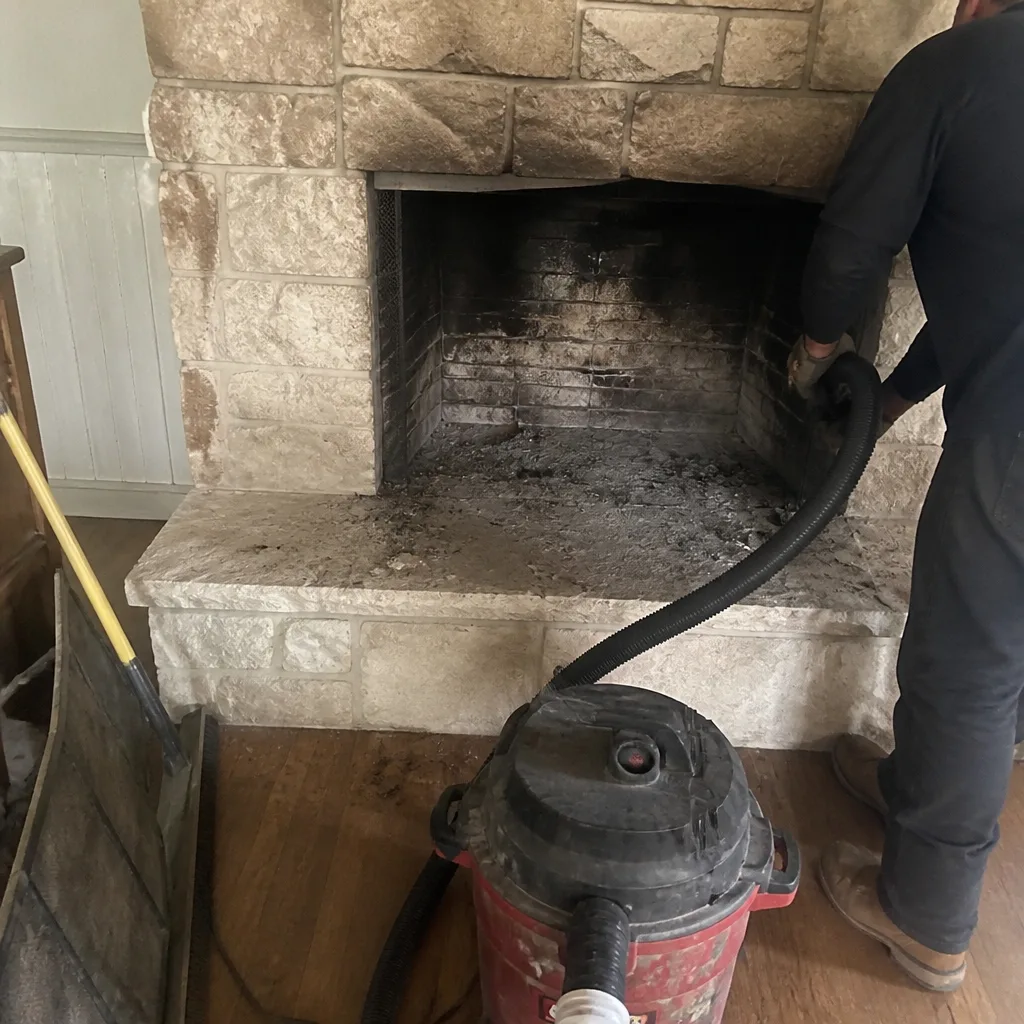 Before
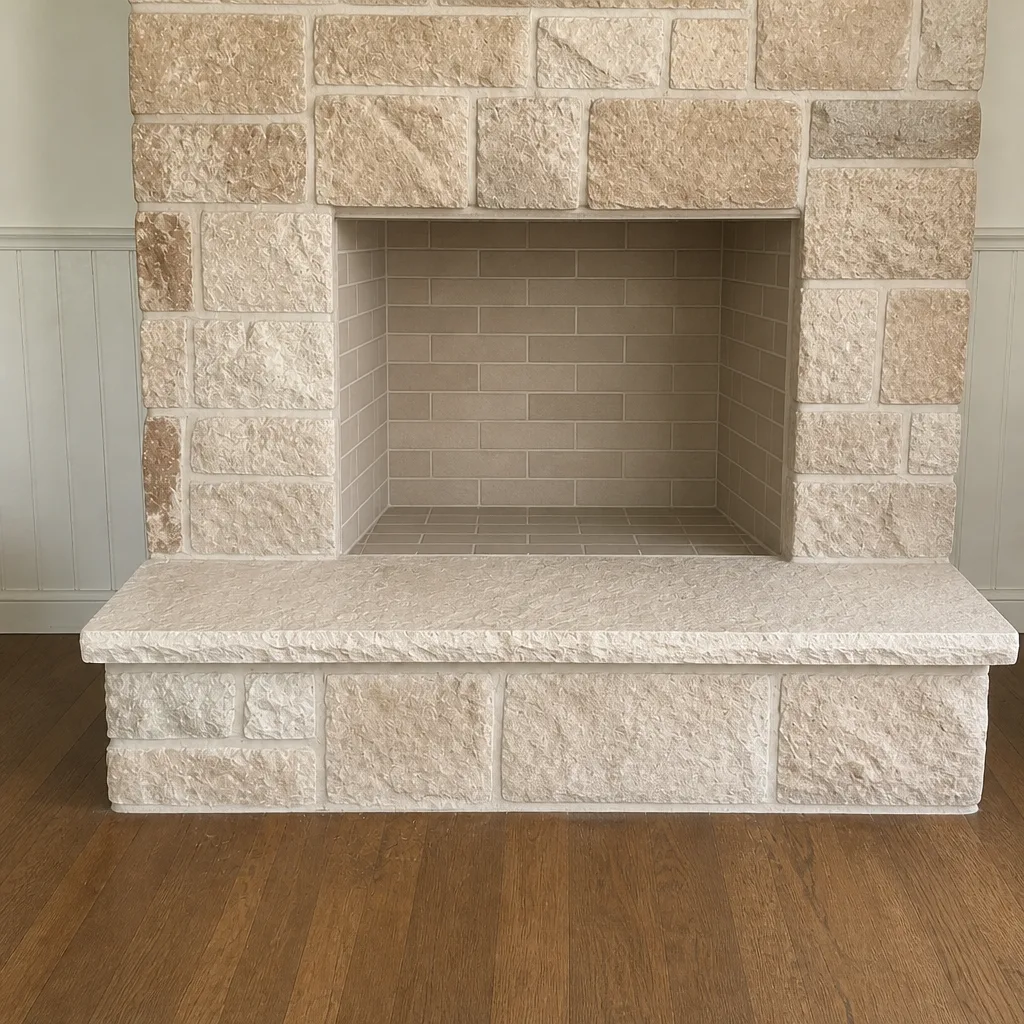 After
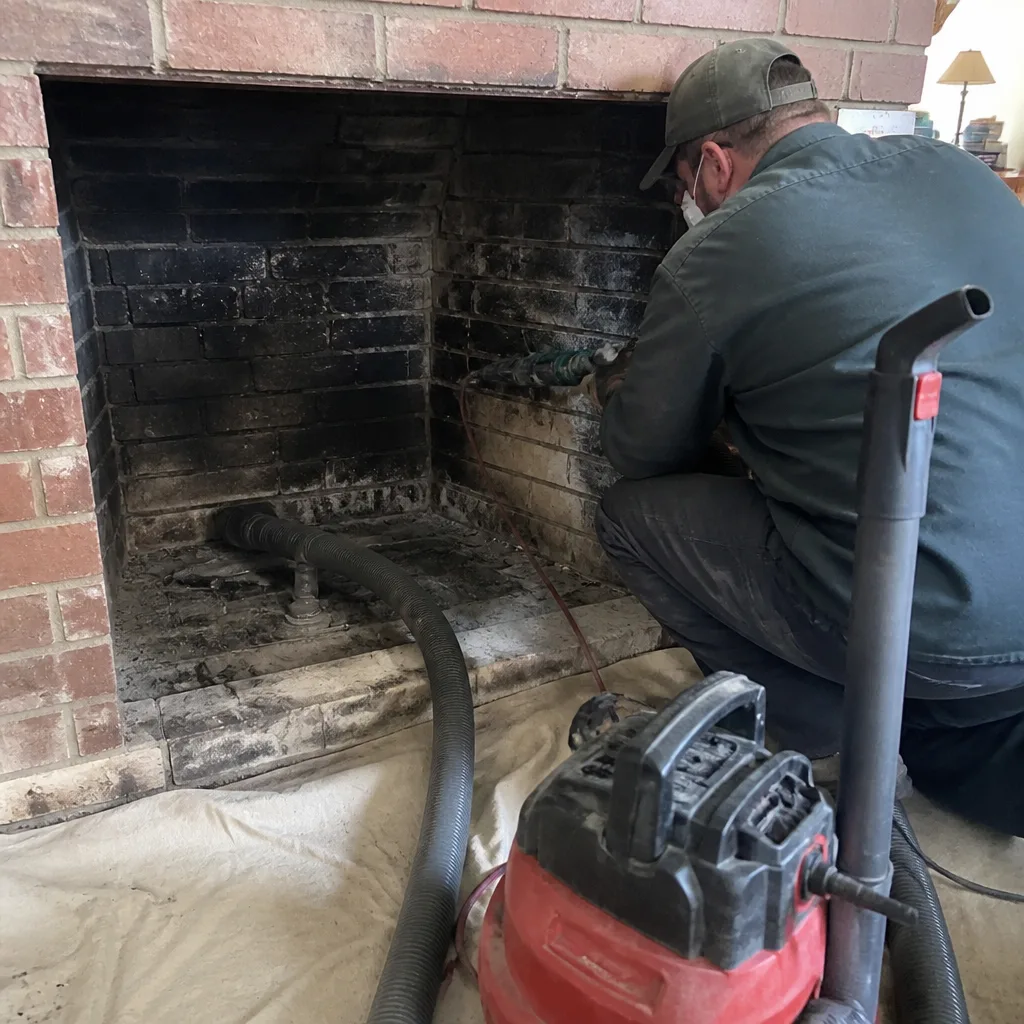 Before
 After
 Before
 After
When to Call a Professional
Some chimney problems are seasonal maintenance; others are calls to make now. Call a professional if you hear scratching or fluttering in the flue, if smoke rolls back into the room when a fire is lit, if you see new cracks in the firebox or mortar above the roofline, or if it’s been a full year or more since the last sweep and inspection. Any of those situations means the chimney needs eyes on it before the next fire, not after.
Chimney Sweep Abilene offers free estimates in Abilene, and a sweep combined with an inspection is the best way to know exactly where your chimney stands before the next season starts. Call (888) 359-2615. We answer 24/7. Fast dispatch from 7am to 7pm, Sunday through Friday. Book the sweep, and let the inspection tell you what, if anything, needs repair.
If you’d like a broader look at how we handle repairs and what options exist when the inspection turns up an issue, our chimney repair page covers the materials and methods in detail.
Frequently Asked Questions
Once a year is the standard baseline for a chimney that gets regular use, and twice a year is worth considering if you burn heavily through the winter or if the flue has a history of heavy creosote. The annual sweep should be paired with an inspection, and the inspection is what determines whether the chimney is actually safe to use. If you’ve had a chimney fire or notice smoke backdraft, don’t wait for the annual date; get it checked now. Call (888) 359-2615 for an exact quote on a sweep or inspection. Estimates are free.
Creosote deposits left for a year harden into a glazed layer over the summer, and that layer is harder to remove and more combustible than fresh soot. A flue with a thick glazed layer carries a higher fire risk, and a crack or liner gap hidden under the deposits can go undetected for another season. Skipping a year doesn’t just make the next sweep harder; it delays every finding that would have been caught on inspection. Call (888) 359-2615 for an exact quote on a sweep and inspection. Estimates are free.
A fall sweep alone isn’t enough in Abilene, because the biggest masonry risks, including mortar shrinkage and crown cracks, develop through the summer dry season and show up before the fall. A spring inspection catches those while a small repointing job is still small. The fall sweep then starts the next burning season on a clean, verified flue. Doing both is what a year-round plan actually looks like. Call (888) 359-2615 for an exact quote on a sweep and inspection. Estimates are free.
No, a loose cap should be fixed before spring nesting season and before summer storms. An open flue invites animals to nest, and a blocked flue sends smoke and carbon monoxide into the house when you light a fire. A cap that’s simply loose is usually a quick fix; a cap that’s been off for months is a flue-cleaning and animal-removal job. Call (888) 359-2615 for an exact quote on cap repair. Estimates are free.
A roaring sound in the flue, a strong smell of hot metal or burning creosote, smoke rolling into the room, or a fire that won’t draw are all reasons to stop burning and get professional eyes on the chimney now. A hairline crack in the crown, a slightly loose cap, or a flue that’s simply overdue for a sweep can usually wait for a scheduled visit. The difference is whether the problem can affect the fire’s safety right now. Call (888) 359-2615. We answer 24/7. Fast dispatch from 7am to 7pm, Sunday through Friday.
In many cases the existing liner can be restored rather than replaced. HeatShield ceramic resurfacing is designed to rebuild the interior of a clay flue and restore it without a full relining, and it’s an option when the damage is in the flue walls rather than the chimney structure. A full replacement is the right call when the liner is badly deteriorated or the flue configuration needs to change. The inspection tells you which situation you’re in, so the decision is based on what’s actually there rather than on a guess. Call (888) 359-2615 for an exact quote. Estimates are free.
The Bottom Line
Chimney care in Abilene isn’t a fall errand; it’s a four-season cycle. Summer heat bakes creosote into a harder form that makes the fall sweep heavier, and drought dries out mortar joints in ways a northern-climate checklist never accounts for. Spring inspection, summer cap and crown checks, a fall sweep booked before the first cold front, and winter firebox monitoring together catch the problems a single yearly sweep would miss. The repairs that come out of that cycle are less costly and less urgent than the ones that come out of a neglected chimney. If you’re ready to start the cycle, we’re here to help.
If you’d rather have a professional look at your chimney before the next season, Chimney Sweep Abilene connects you with independent local professionals who handle the sweep, the inspection, and the repair through a single specialist. We work with professional-tier brands including DuraFlex, HeatShield, Gelco, Olympia Chimney, Famco, and Copperfield, and we cover the full service cycle so you don’t have to coordinate between contractors. Call (888) 359-2615 for a free estimate on chimney cleaning, inspection, or repair in Abilene, or to ask what a seasonal care plan for your specific chimney would look like. We answer 24/7. Fast dispatch from 7am to 7pm, Sunday through Friday.
Written by the team at Chimney Sweep Abilene.