
Last updated November 15, 2026
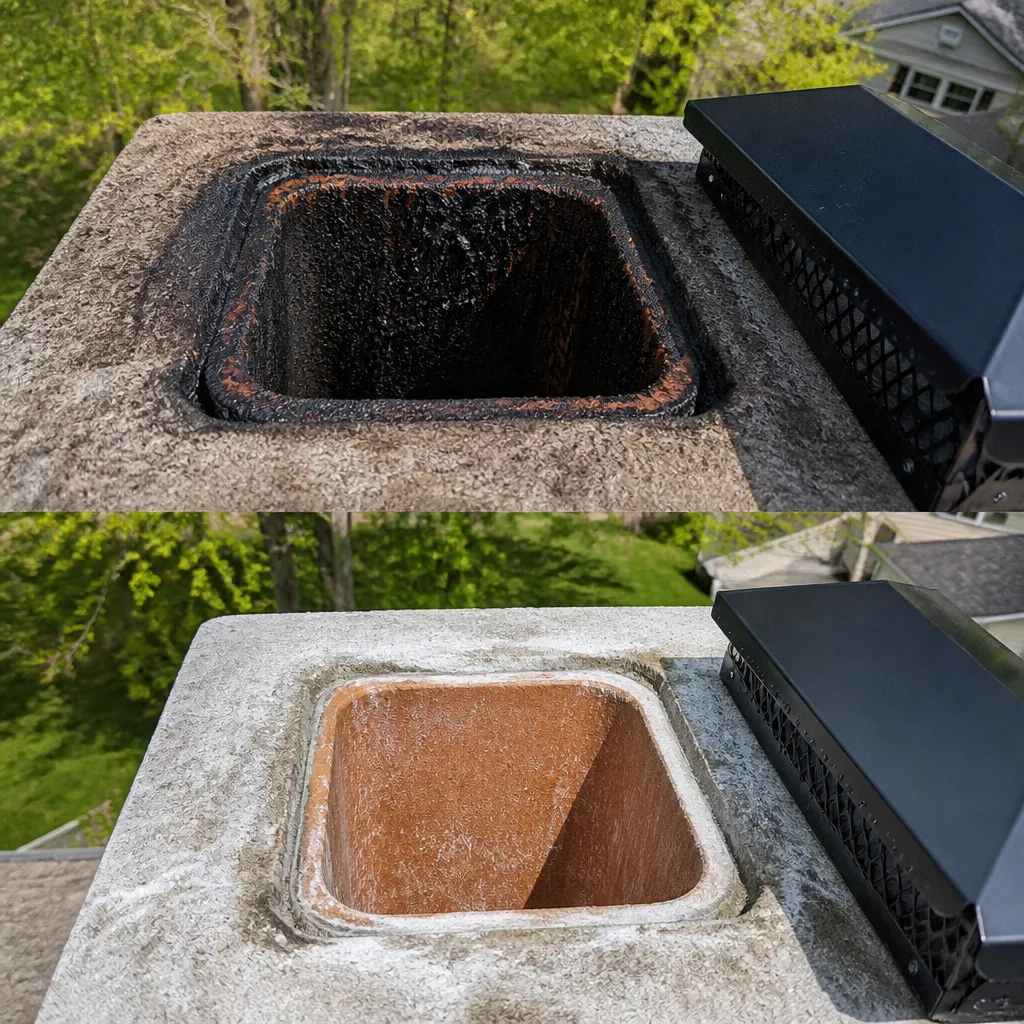 Sweep & inspection
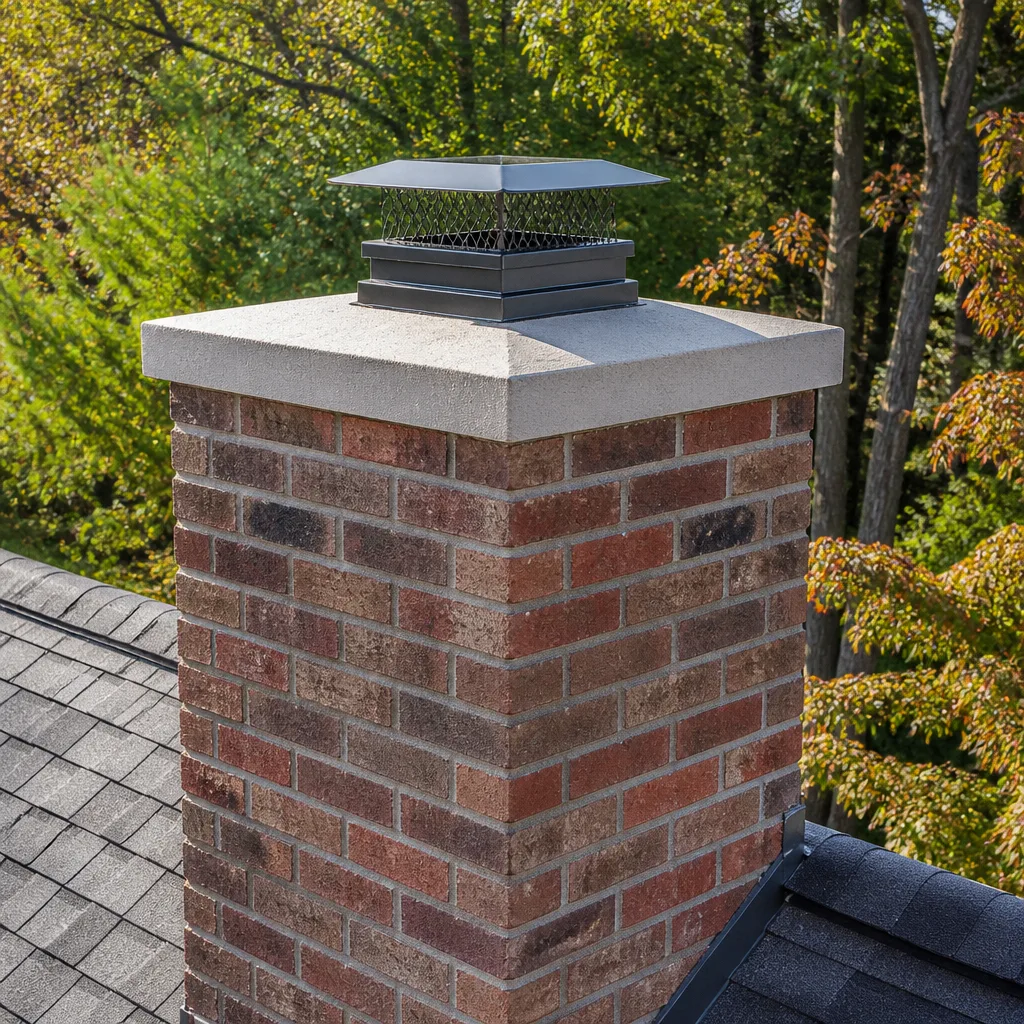 Caps & crowns
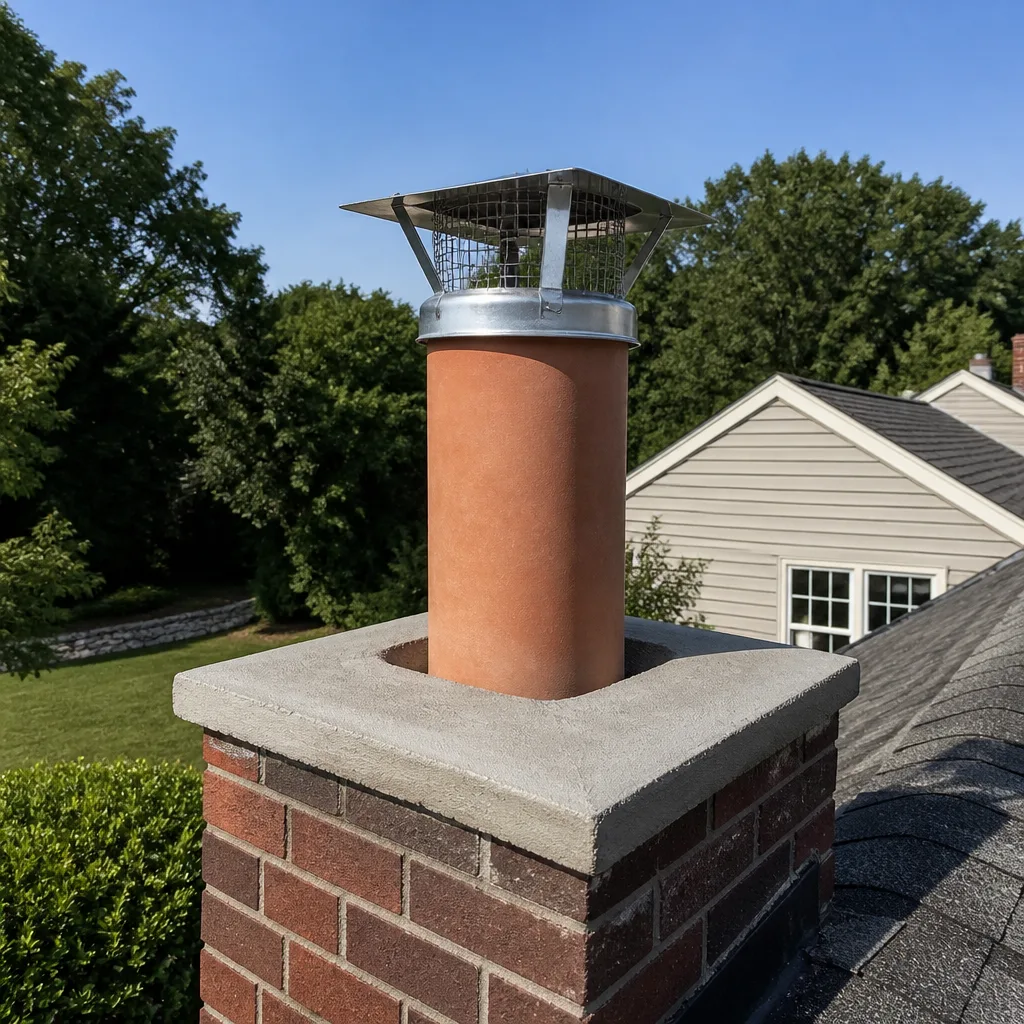 Flue relining
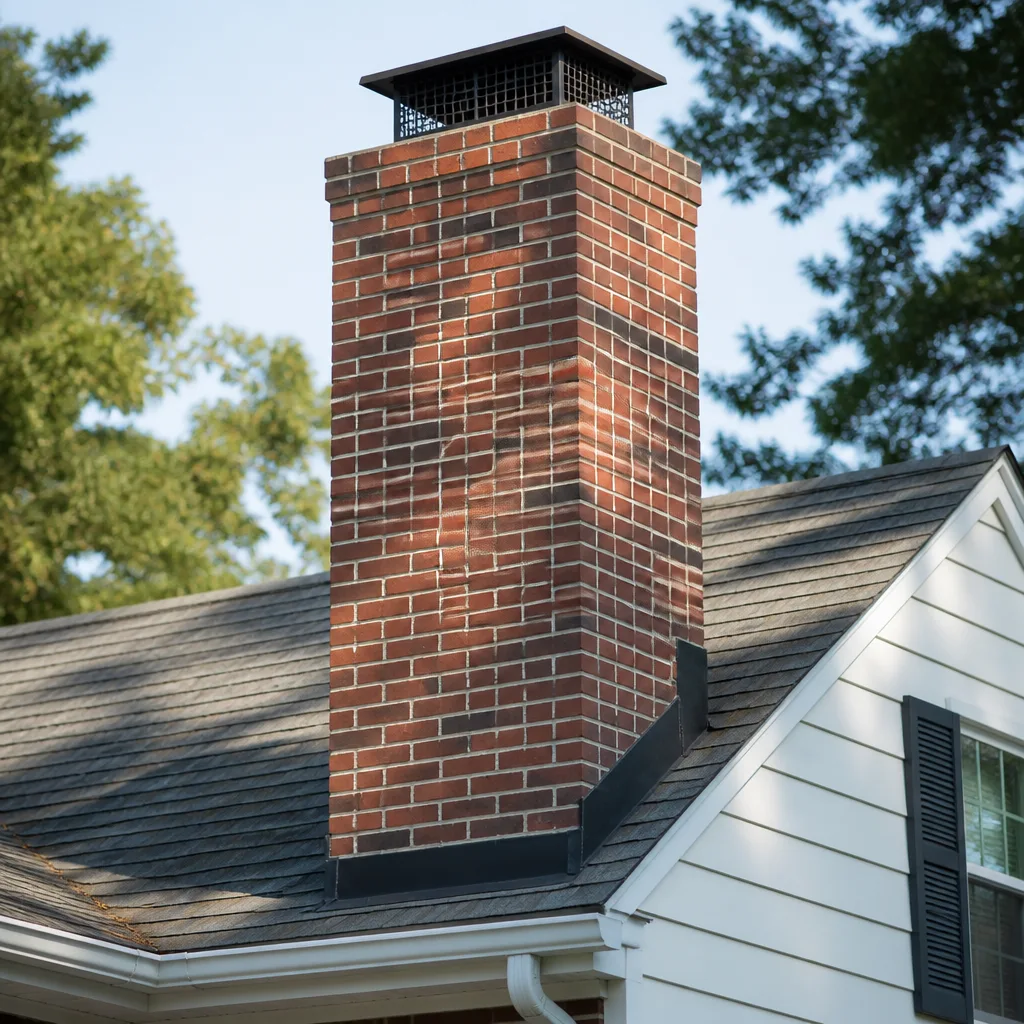 Masonry repair
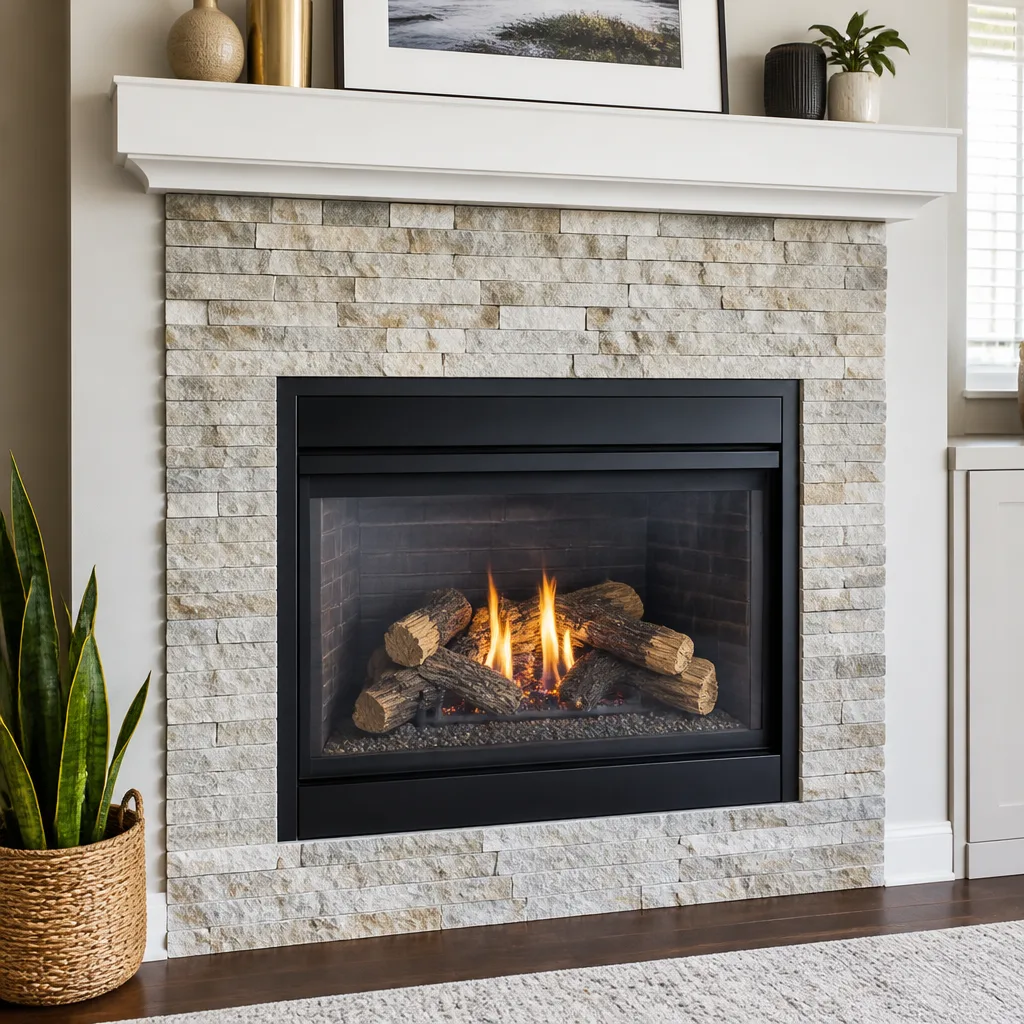 Gas fireplace service
Level 1 sweep and inspection to the NFPA 211 annual standard - flue, crown, cap, and flashing checked and photographed
Chimney sweep logs do not sweep chimneys. They loosen some creosote - which then falls where a brush and vacuum still have to collect it.
Chimney Sweep Troubleshooting in Abilene: Common Problems and How to Fix Them
If your fireplace smokes into the room every time you light it, adding more kindling isn’t the fix – and neither is a standard sweep. That’s a draft problem, and it has at least six distinct causes. Most homeowners in Abilene assume smoke means the chimney is dirty. Sometimes it is. Just as often, the flue is clean and the issue is structural: a flue that’s too short for the fireplace opening, a cap clogged with wind-blown debris, a masonry shell that’s drawing air through a failed mortar joint instead of pulling smoke up the flue. This guide teaches you how to tell these apart from the living room. You’ll learn which warning signs you can watch, which need a certified inspection, and which mean you should stop using the fireplace tonight.
Quick Answer
Smoke coming into your house nearly always traces back to one of three root causes: a draft failure (negative pressure, undersized flue, or an obstructed cap), combustion byproduct buildup (creosote or soot narrowing the flue), or a structural problem (cracked masonry, failed mortar joints, or a damaged liner). A cleaning fixes the second category only. The first and third require inspection and repair, which is why a sweep without an inspection is a guess.
Styles & brands we work with
- Sweep & inspection
- Caps & crowns
- Flue relining
- Masonry repair
- Gas fireplace service
Table of Contents
- Draft Failures vs. Byproduct Buildup: Two Problems That Look the Same
- Why Abilene Wind Causes Backdraft That Humid Climates Never See
- Stage 2 vs. Stage 3 Creosote: Cleaning Job or Structural Decision?
- Masonry Spalling and Joint Failure: The Hidden Cause of Persistent Odor
- The Six Causes of a Smoking Fireplace, Ranked by Likelihood
- Your Decision Tree: Monitor, Inspect, or Stop Using It Now
- What a Real Inspection Report Should Tell You
- Repair Options, From Ceramic Resurfacing to Full Relining
Draft Failures vs. Byproduct Buildup: Two Problems That Look the Same
From the sofa, a smoking fireplace looks like one problem. It’s really two. A draft failure means the chimney can’t move smoke out fast enough – the fire burns fine, but the exhaust backs up into the room. Byproduct buildup means the flue is partly blocked by creosote, soot, or debris, and the smoke has nowhere to go. Both produce the same result: a haze in the living room, a smell that settles into upholstery, and a headache that shows up an hour after you light the fire.
The difference matters because they require completely different work. Narrowing down which one you have starts with three observable clues.
- Timing. Does the smoke appear the moment you light the fire, before the chimney has warmed? That points to draft. Does it build gradually as the fire grows? That suggests a restricted flue.
- Weather dependence. Smoke that only shows up on gusty days or when a cold front pushes through is almost always pressure-related, not a dirty flue.
- Odor without fire. If the fireplace smells strongly on warm days when you haven’t burned anything, that’s a pressure or masonry problem, not a buildup problem. Creosote smells mainly after a fire.
There’s a fourth clue that’s easy to miss: how the fire itself behaves. A fire that burns hot and bright but still smokes into the room is a draft problem. A fire that struggles to catch, burns lazy, and darkens the glass on a gas insert is likely starved by a restricted flue. Recognizing which of these you have saves you from paying for a sweep that won’t fix the smoke – and from skipping an inspection that would have caught the real issue. When smoke appears on lighting and clears once the fire is hot, we treat that as a draft symptom until the inspection proves otherwise.
Why Abilene Wind Causes Backdraft That Humid Climates Never See
Chimneys in Abilene live in a different atmospheric environment than chimneys in Houston or the Gulf Coast. The prevailing wind here runs strong across open country, and it comes in gusts that hammer a roofline from changing directions. A chimney cap that would sit quietly on a humid-climate rooftop all year gets tested here on a regular basis.
That produces two problems you won’t hear much about from generic chimney advice.
1. Downbursts push smoke back down the flue. A tall chimney is a vertical pipe, and a gust traveling over the top can create a pressure differential that forces air down the stack. The smoke comes back down with it. This is common along the edges of town where the wind has fewer structures to break it up. A properly sized, correctly positioned cap with solid side panels reduces this significantly. Famco and Gelco caps, which we work with, are built to deflect rather than funnel wind.
2. Low humidity means dry fuel and faster creosote formation. Wood seasoned in West Texas dries quickly, which is good, but homeowners who burn without checking moisture content can still create hot, fast fires that deposit creosote at a different rate than colder, damper climates. The residue that accumulates in Abilene flues tends to be glazed and hard rather than soft and flaky.
The flip side of the wind: dust. Abilene’s spring winds carry fine grit that finds its way into open chimney tops and settles on the smoke shelf at the base of the flue. A chimney that smoked fine at the end of one season can smoke at the start of the next simply because the smoke shelf filled with wind-blown debris. That’s not a draft failure in the structural sense, but it produces the same symptom, and a proper chimney sweep clears it.
Stage 2 vs. Stage 3 Creosote: Cleaning Job or Structural Decision?
Creosote is the tar-like residue left by burning wood, and the fire safety industry divides it into three stages based on how hard it’s baked onto the flue. The difference between Stage 2 and Stage 3 is where a routine cleaning turns into a decision about your chimney’s future.
Stage 1 is soot and light flaky residue. It brushes off easily. A standard sweep handles it.
Stage 2 is a crusty, hardened deposit that has bonded to the flue surface. It can still be removed with proper mechanical sweeping tools, but it takes a trained technician and the right brushes. It doesn’t come off with a homeowner’s hand brush.
Stage 3 is glazed creosote – a shiny, tar-like coating with the consistency of hardened plastic. It fuses to the flue liner. It doesn’t brush off. It’s also the most dangerous stage, because glazed creosote ignites at a lower temperature than the softer deposits. A flue with Stage 3 creosote is a genuine fire risk, and it’s exactly where a routine sweep stops being routine.
Here’s the distinction most homeowners never hear: Stage 1 and Stage 2 are cleaning jobs. Stage 3 is a structural decision. If the glaze has bonded to a clay tile liner, sweeping won’t make the liner safe. The options are usually ceramic resurfacing – HeatShield, which restores the flue interior without a full reline – or full relining with a flexible liner system. DuraFlex flexible liners handle chimneys with offsets and non-standard flue configurations that rigid liner systems can’t reach.
In our experience, the deposits that form in Abilene tend toward the harder end of the scale because of how dry the fuel burns here. That makes annual inspection more important, not less. If you’ve never had your flue looked at with a camera, you don’t know which stage you’re at, and that’s the only fact that decides whether you’re looking at a cleaning or a structural conversation.
Masonry Spalling and Joint Failure: The Hidden Cause of Persistent Odor
A chimney that smells bad when there’s no fire in it is a chimney with a moisture or pressure problem. Homeowners often assume the flue is dirty and schedule a sweep. The sweep comes back clean, the smell returns, and the cycle repeats. What’s actually happening is usually in the masonry itself.
Masonry is porous. Brick absorbs moisture, mortar joints crack as the chimney settles and heats and cools through the seasons, and once water has a path into the shell, the chimney becomes a reservoir. When the pressure changes – a gust of wind over the top, a warm day, the furnace kicking on – that stored moisture pushes odor back down the flue and into the house. The smell is real. The cause is structural, not biological.
Two failure modes drive most of it:
- Spalling. Water gets into the brick, freezes if it gets cold enough, and flakes off the brick face. Spalled brick leaves a rough, crumbly surface that’s more exposed and absorbs more water. It’s easy to spot from the ground with binoculars on the south and west faces of the chimney, where sun and wind work hardest.
- Mortar joint failure. The mortar between bricks is the chimney’s weather-seal. When joints crack and recede, water enters at every seam. On a chimney with widened, sandy joints, the flue is no longer fully isolated from the outside air.
This is the answer to the question we hear often: why does my chimney smell when I haven’t burned a fire in weeks? Because the smell isn’t coming from combustion. It’s coming from failed masonry, and no amount of sweeping will fix it. The fix is repointing and repair, sometimes with ceramic coating on the flue side, sometimes with a new crown and cap. That’s a chimney repair conversation, not a cleaning one, and it’s why the inspection precedes the quote.
The Six Causes of a Smoking Fireplace, Ranked by Likelihood
When a fireplace smokes into a room in Abilene, the cause is almost always one of six things. We rank them here by how often we encounter them, starting with the ones that need no structural repair to correct.
- A clogged or undersized chimney cap. The single most common cause. Bird nests, wind-blown debris, and dust accumulate in the cap mesh and reduce the open area for exhaust. Smoke stalls at the top and rolls back down. Fix: clean the cap or replace it with a properly sized one. Gelco and Famco caps are made for this.
- Negative pressure in the house. Modern homes are tighter than they were a generation ago. Bathroom fans, kitchen exhaust vents, dryer vents, and even a furnace all draw air out of the house. If the chimney is competing for combustion air, it loses, and the smoke comes into the room. Fix: crack a window near the fireplace to test. If the smoke disappears, the pressure issue is real and the solution may be a dedicated combustion air supply.
- Flue too short for the firebox opening. The old rule of thumb – the flue needs to be taller than the fireplace opening is wide, with a margin – exists for a reason. A short flue can’t build enough draw. Fix: a contractor can extend the flue or install a proper terminating cap designed to increase draw.
- Offsets and bends in the flue. A chimney with a slanted section loses draft. Rigid liners can’t be installed in these. DuraFlex flexible liner systems are designed for them.
- Creosote restriction. A flue narrowed by Stage 2 or Stage 3 creosote can’t carry the volume. Fix: cleaning, and if Stage 3, structural repair.
- Improper firebox-to-flue transition. The smoke shelf and damper are the transition zone. If the damper is broken, out of position, or the smoke shelf is buried in soot, smoke gets trapped at the base. Fix: cleaning and damper repair.
Notice that only one of these six is a cleaning-only problem. The rest are draft or structural issues, which is why we say most smoking fireplaces aren’t fixed by sweeping alone. If the fireplace smokes at first light and clears once it warms, that’s a draft issue. If it smokes constantly regardless of fire size, that’s a restriction issue. Either way, the diagnosis comes before the fix.
Your Decision Tree: Monitor, Inspect, or Stop Using It Now
Not every symptom requires the same urgency. Use this guide to sort your situation into one of three responses.
1. Monitor and watch. Choose this if:
- The fire burns clean with no smoke and the flue draws well.
- There’s a faint odor only on warm days with no fire, and it fades.
- Your last sweep was within the past year and was done by a qualified technician.
- You see no cracking or spalling on the exterior, and the cap is intact from ground level.
In these cases, schedule a routine annual inspection and keep an eye on the chimney’s exterior faces.
2. Schedule a certified inspection. Choose this if:
- The fireplace smokes consistently when you light it, even once warm.
- You smell a strong creosote or sooty odor inside the house on warm days.
- You can see cracked or receding mortar joints on the exterior, or spalled brick faces.
- The cap is damaged or visibly clogged and you can’t clear it safely from the ground.
- You can’t remember when the flue was last inspected, or it’s been several seasons.
3. Stop using the fireplace immediately. Choose this if:
- There’s a fire in the flue or a smoky, creosote-fueled smell that lingers after the fire has gone out.
- You can see glazed, tar-like creosote in the flue (visible with a flashlight through the damper on some fireboxes).
- The chimney has visible damage after a storm, or the masonry is bulging or leaning.
- You experience headaches, dizziness, or nausea when the fireplace is running, or the carbon monoxide detector alarms.
The third category isn’t a “call for a quote” decision. It’s a stop-use decision. Carbon monoxide and chimney fire hazards are the reason chimney inspections exist as a separate service from sweeping. A sweep cleans; an inspection certifies the flue is safe to use. Those are different questions, and in a house with a wood-burning fireplace or a gas insert, you need both answered.
One more factor for Abilene: the wind. If your fireplace only smokes on gusty days, the draft issue is real but usually not an emergency. If it smokes on calm days, it’s a restriction or structural problem and should be inspected sooner.
What a Real Inspection Report Should Tell You
A certified inspection is the foundation of every chimney decision. A sweep without an inspection is a guess. But not every inspection is created equal, and homeowners should know what a proper report contains before they pay for one.
The core of a real inspection is a camera survey of the flue. A technician inserts a camera down the flue and records what it sees. The homeowner should see the footage – literally, on the technician’s screen – and should get photographs in the written report. The report should document:
- Flue condition at top, middle, and bottom, with photographs of any cracks, gaps, offset sections, or damaged tiles.
- Creosote stage – Stage 1, 2, or 3 – with photo evidence.
- Combustion appliance connection, if there’s a gas insert or a furnace flue, including proper venting connections.
- Damper operation and smoke shelf condition.
- Crown and cap condition, with recommendations on cap replacement if the existing one is undersized or failing.
- Exterior masonry – spalling, joint condition, any structural concern visible.
- Recommended actions, rated by urgency: safe to use, monitor, or repair before next use.
Here’s what most homeowners in Abilene miss: the report is only useful if the company that wrote it can also do the repair. If the inspection company only inspects, you get a list of problems and a phone number for someone else to call. If a sweep-only company does the inspection, you often get a generalization. The value of pairing inspection with repair capability is that findings are actionable on the same visit – you see the camera footage, you get the fix scoped in the same trip, and there’s no gap where a repair sits undone because you never got around to finding a second contractor.
Our inspection reports pair directly with our repair service. When we find a cracked tile or a failed joint, the fix is a conversation we can have on the spot, with Gelco or Famco parts and materials matched to what your chimney needs. That’s how a specialist should operate.
Repair Options, From Ceramic Resurfacing to Full Relining
Once an inspection gives you a real diagnosis, the question becomes which repair matches the problem. Here’s how the options stack up.
Ceramic resurfacing (HeatShield). This is a repair many sweep-only companies can’t offer. The technician applies a ceramic coating to the flue interior, sealing cracks and restoring a smooth surface. It prevents combustion gases from leaking through damaged tiles and gives you a repaired liner without the cost and disruption of full relining. It’s the right option when the damage is limited to cracks and joint gaps in an otherwise sound flue. It’s not a substitute for relining when the structure has failed or the flue is Stage 3 glazed.
Flexible relining (DuraFlex). A flexible liner is a stainless steel tube inserted down the flue. It’s the answer when the flue is too damaged, too wide, or has offsets that make rigid liners impossible. This matters in Abilene homes with non-standard chimneys – older houses where the flue was built with a bend, or fireplaces with offsets between the firebox and the roofline. DuraFlex liner systems handle those configurations correctly, which means homeowners who’ve been told they need a rebuild can sometimes get a reline instead.
Caps and venting components. A failing cap is the most common and most fixable chimney problem. Gelco, Famco, and Olympia Chimney all make components that fit correctly and last. An undersized or mesh-clogged cap causes more smoking fireplaces than damaged flues do.
Masonry repair. Repointing joints and replacing spalled brick protects the flue from water intrusion. This is the fix for persistent odor problems where the flue is dirty but structurally sound. A proper crown and correctly fitted cap keep the masonry dry afterward.
Full masonry rebuild. Rare, and the last resort. It’s the answer when the chimney structure itself is unsound – not when the liner needs repair.
The reason we keep a range of brands in our service: DuraFlex, HeatShield, Gelco, Olympia Chimney, Famco, Copperfield. Each is designed for a specific set of conditions, and the right one depends on what the camera shows. One company handles the sweep, the inspection, and the fix – no referrals, no gaps. If you’re searching for a chimney professional in Abilene, the question to ask is whether they can do all three, and whether they’ve got the materials on hand for a chimney like yours.
Common Mistakes to Avoid
- Burning a candle or a hot fire to “test” the draft. A candle flame will tell you almost nothing about draft; it can, however, soot the inside of a clean chimney. If you have smoke issues, get the flue camera-inspected instead of experimenting.
- Assuming smoke means the chimney is dirty. As this guide shows, smoking fireplaces usually aren’t. Scheduling a sweep to fix a draft problem is spending money on the wrong solution.
- Burning scrap wood, cardboard, or crates. These burn hot and deposit creosote quickly. In West Texas where dry, fast-burning fuel is easy to come by, it’s tempting. It’s also the shortest route to Stage 3.
- Cleaning the cap yourself from a ladder. Roof work is a real hazard. A clogged cap should be cleared by someone trained to be on a roof, and the cap should be inspected for damage that caused the clog in the first place.
- Ignoring the smell after the fire goes out. A lingering odor with no fire present is a masonry problem, not a buildup problem, and it won’t go away with more sweeping.
- Trusting an inspection that comes with no camera footage. If the report is general language and no photos, you don’t have an inspection – you have a phone call with a report attached.
- Failing to match the answer to the symptom. If the fireplace smokes only on gusty days, that’s a draft issue. If it smokes every day, that’s a restriction issue. The fix is different, and the quote should follow the symptom.
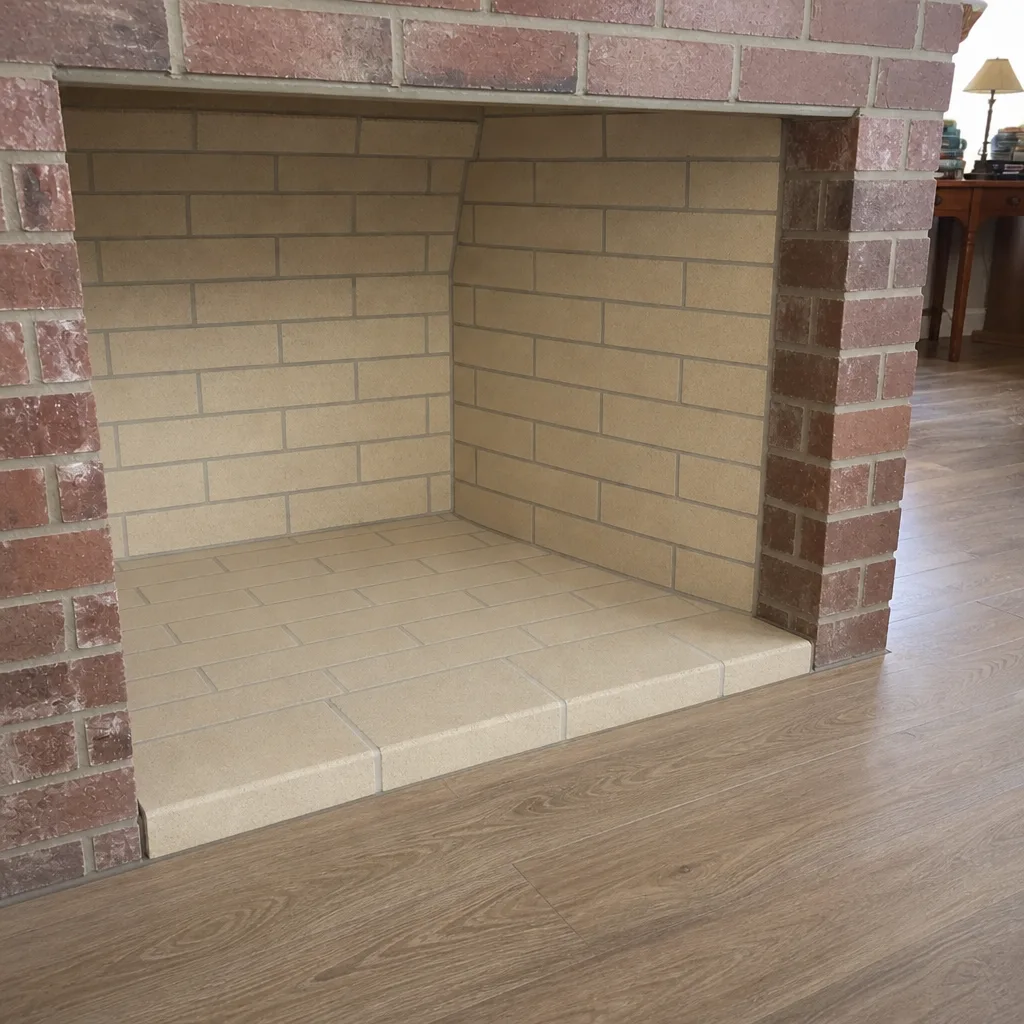
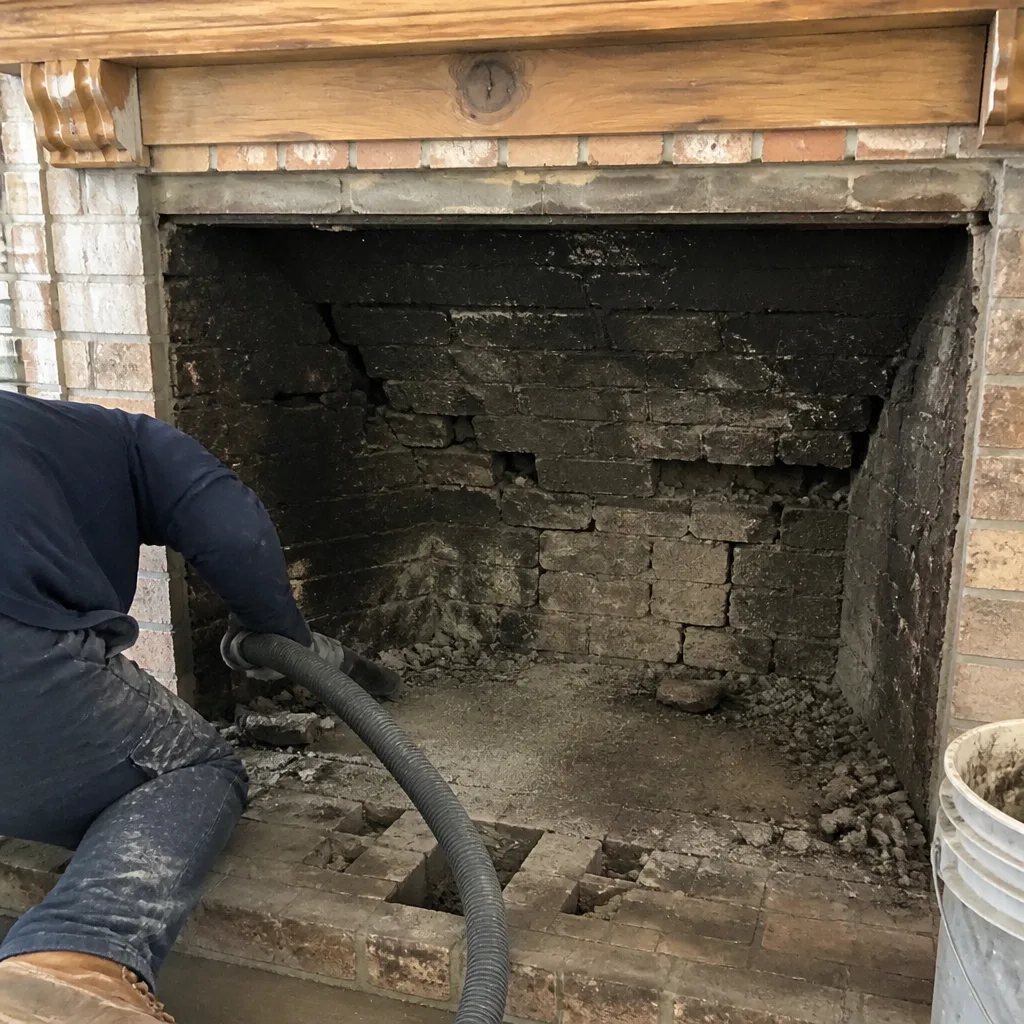
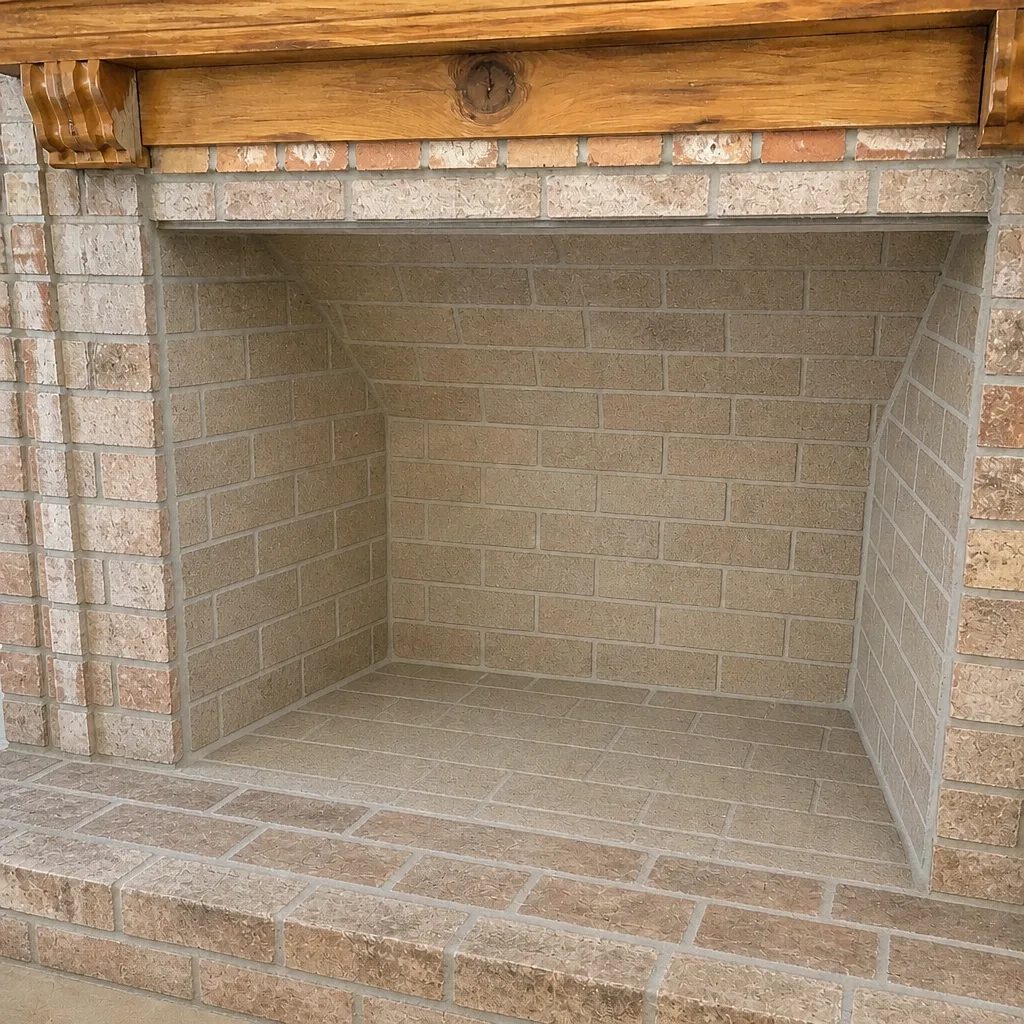
See the difference
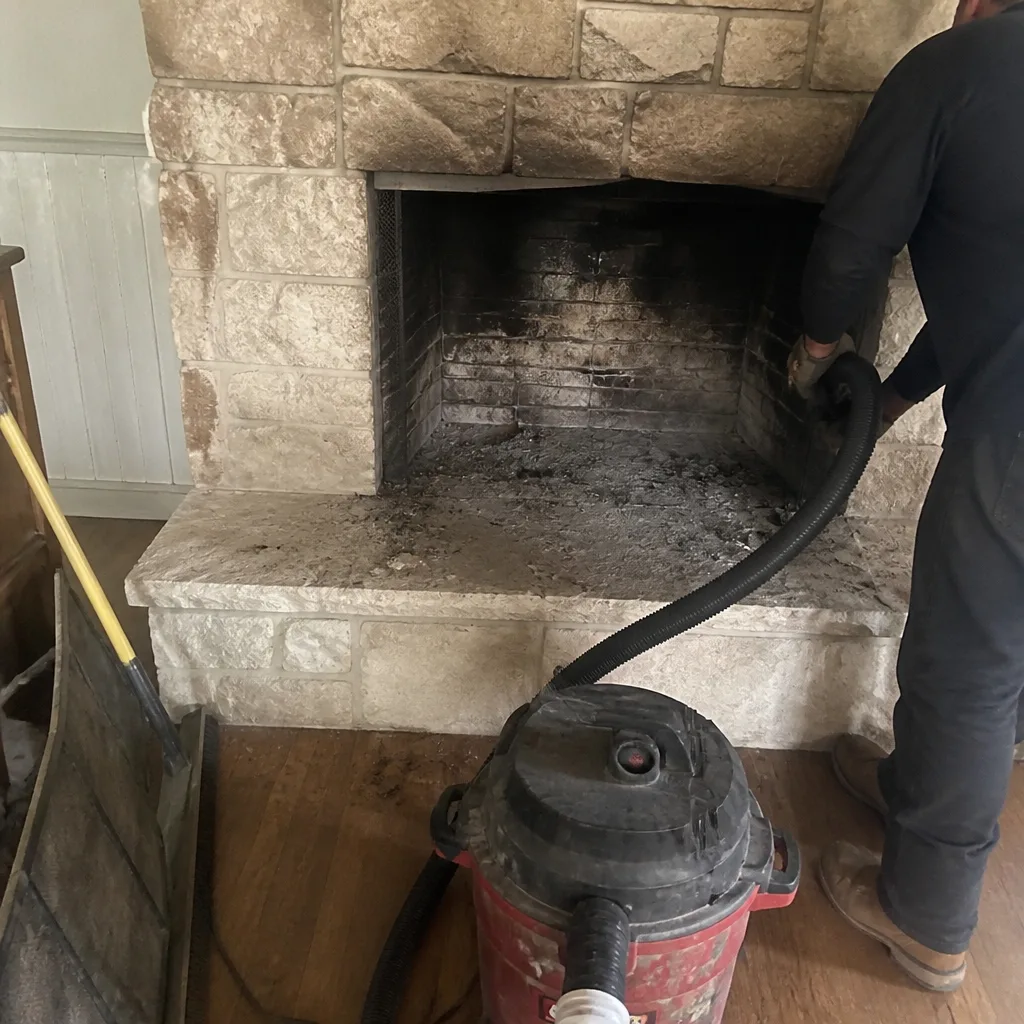 Before
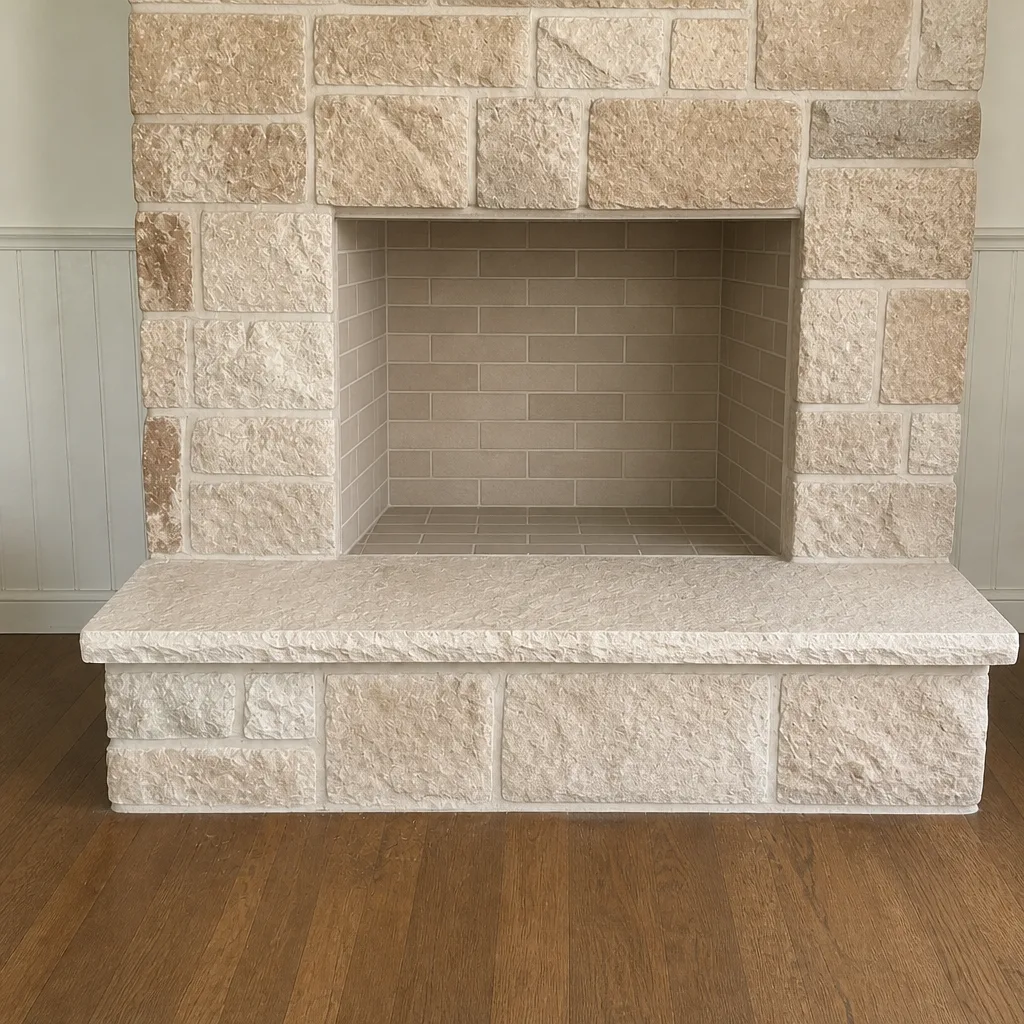 After
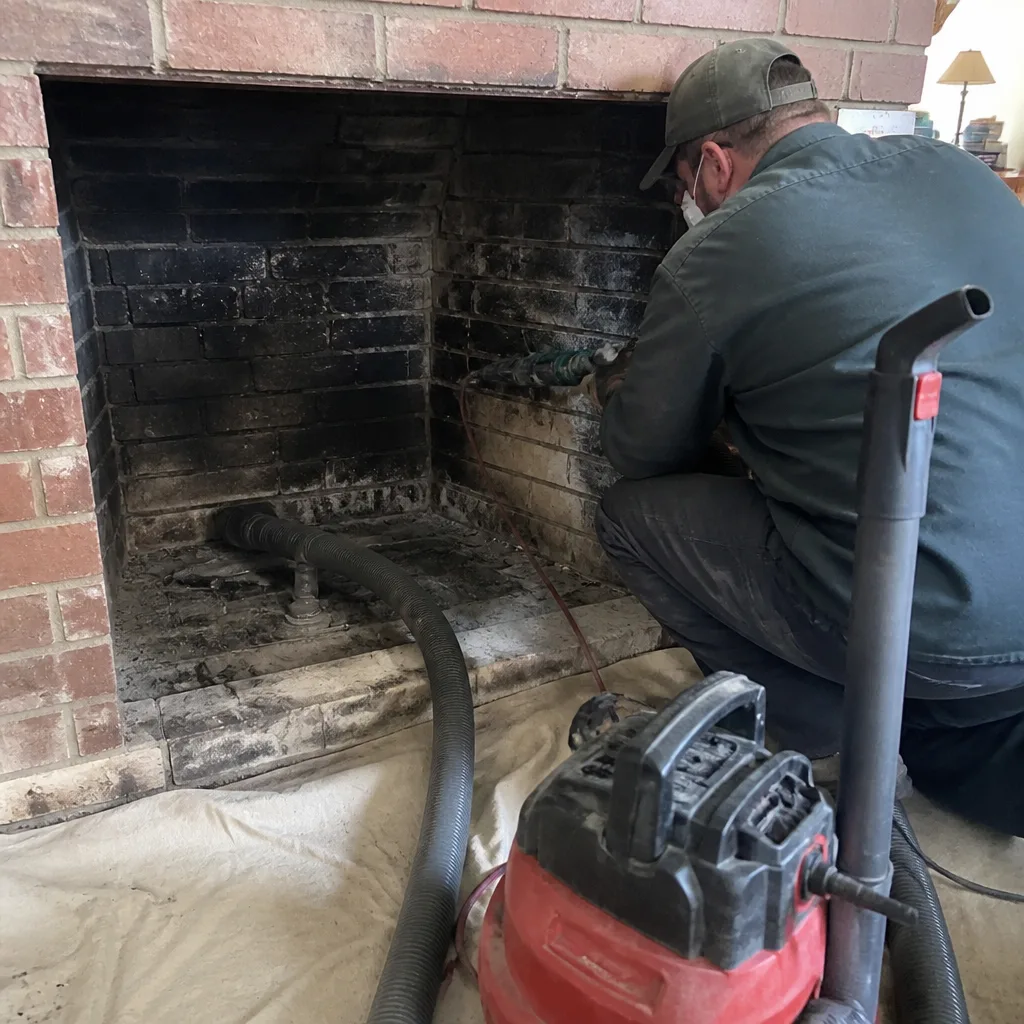 Before
 After
 Before
 After
When to Call a Professional
Call a chimney professional when the fireplace smokes into the room on a consistent basis, when you smell a strong odor inside the house on warm days with no fire burning, or when you can see damage to the exterior masonry or the cap. Call sooner if there’s any sign of fire in the flue, lingering smoke after the fire’s out, or if anyone in the household experiences headaches or dizziness while the fireplace is in use.
If you’re not sure which category your situation falls into, start with a certified inspection. That’s the only way to know whether you’re looking at a cleaning job or a repair. A sweep without an inspection is a guess, and guessing with a chimney is the wrong way to approach a safety question.
Chimney Sweep Abilene offers free estimates in Abilene – call (888) 359-2615. Our technicians have up to experience, and we bring the camera, the report, and the repair capability to the same visit.
Frequently Asked Questions
Smoke coming into the room usually means a draft failure, a flue restriction, or a structural problem – not just a dirty chimney. The most common single cause is a clogged or undersized cap, followed by negative pressure in the house from exhaust fans and tight construction. If the smoke appears the moment you light the fire and clears as it warms, it’s likely a draft problem. If it smokes constantly, it’s likely a restriction. Call (888) 359-2615 – estimates are free.
You can’t reliably tell from the living room, and that’s the point. Stage 2 is crusty and bonded but still brushable. Stage 3 is a shiny, glazed tar coating that has fused to the liner and won’t come off with a sweep. Only a camera inspection can distinguish them, and the difference decides whether you need a cleaning or a structural repair. Don’t guess – call (888) 359-2615 to schedule an inspection.
Sometimes, but usually not. A sweep removes creosote buildup, which fixes one of the six common causes of a smoking fireplace. The other five – cap obstruction, negative pressure, short flue, offset flue, and firebox transition – are draft or structural issues. A sweep without an inspection is a guess, and guesses with chimneys can miss a real safety problem. Call (888) 359-2615 for a full inspection.
Abilene’s prevailing winds are strong and gusty, and a gust traveling over the top of a chimney can create a pressure differential that forces smoke back down the flue. A correctly sized cap with solid side panels – Famco and Gelco make them – deflects the wind rather than funnelling it. If your fireplace only smokes on gusty days, wind backdraft is a likely culprit. Call (888) 359-2615 for an assessment.
A persistent smell with no fire is almost always a masonry problem, not a dirty flue. Cracks in the mortar joints and spalled brick faces let moisture into the chimney shell, and pressure changes push that stored odor back into the house. Sweeping won’t fix it. Repointing, ceramic coating, or a new cap will. Call (888) 359-2615 to get the masonry assessed before another season goes by.
It depends on what the camera shows. Cracks and joint gaps in an otherwise sound flue can often be repaired with ceramic resurfacing – HeatShield – which restores the liner interior without the cost of a full reline. Full relining with a flexible system like DuraFlex is the right answer when the structure has failed, the flue is too wide, or it has offsets that make a rigid liner impossible. Only an inspection with camera evidence can tell you which. Call (888) 359-2615 – estimates are free.
The Bottom Line
The chimney problems that matter in Abilene aren’t the ones a sweep fixes. They’re the draft failures, the masonry failures, and the Stage 3 creosote that require a structural decision. The key to telling them apart is a camera inspection with photo evidence the homeowner can see for themselves, followed by a repair scoped in the same visit. Call (888) 359-2615. We answer 24/7. Fast dispatch from 7am to 7pm, Sunday through Friday, with free estimates on every job. If you’re not sure whether your chimney has a draft problem, a buildup problem, or a masonry problem, don’t troubleshoot it alone. One company handles the sweep, the inspection, and the fix – no referrals, no gaps.
Written by the team at Chimney Sweep Abilene.