
Last updated November 15, 2026
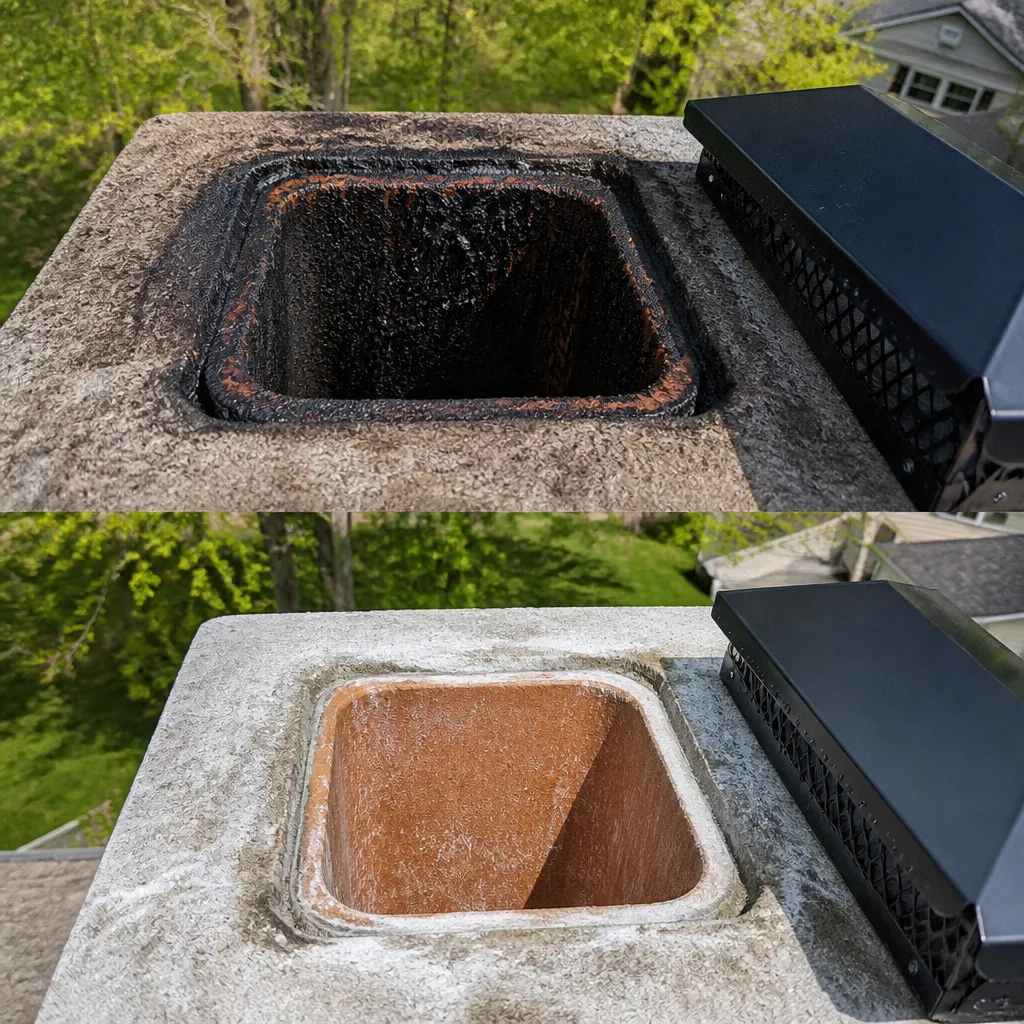 Sweep & inspection
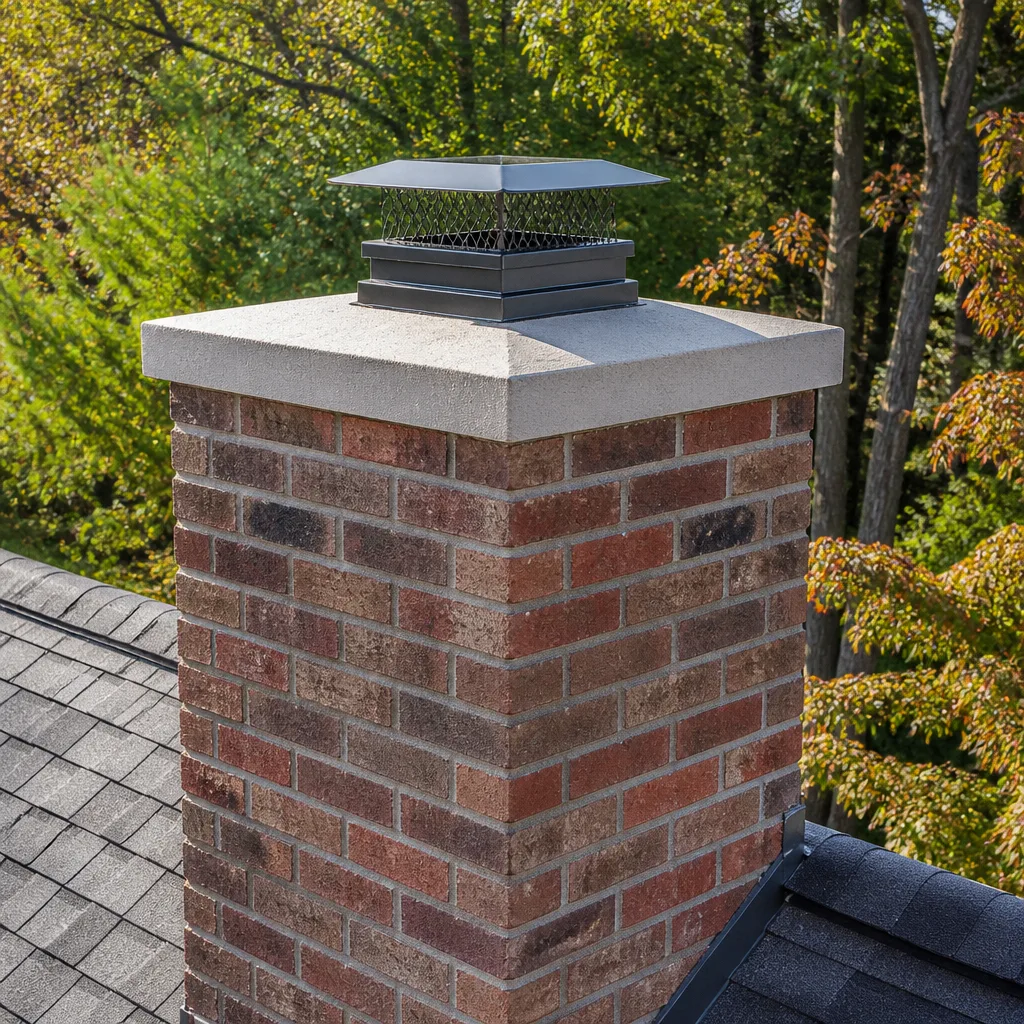 Caps & crowns
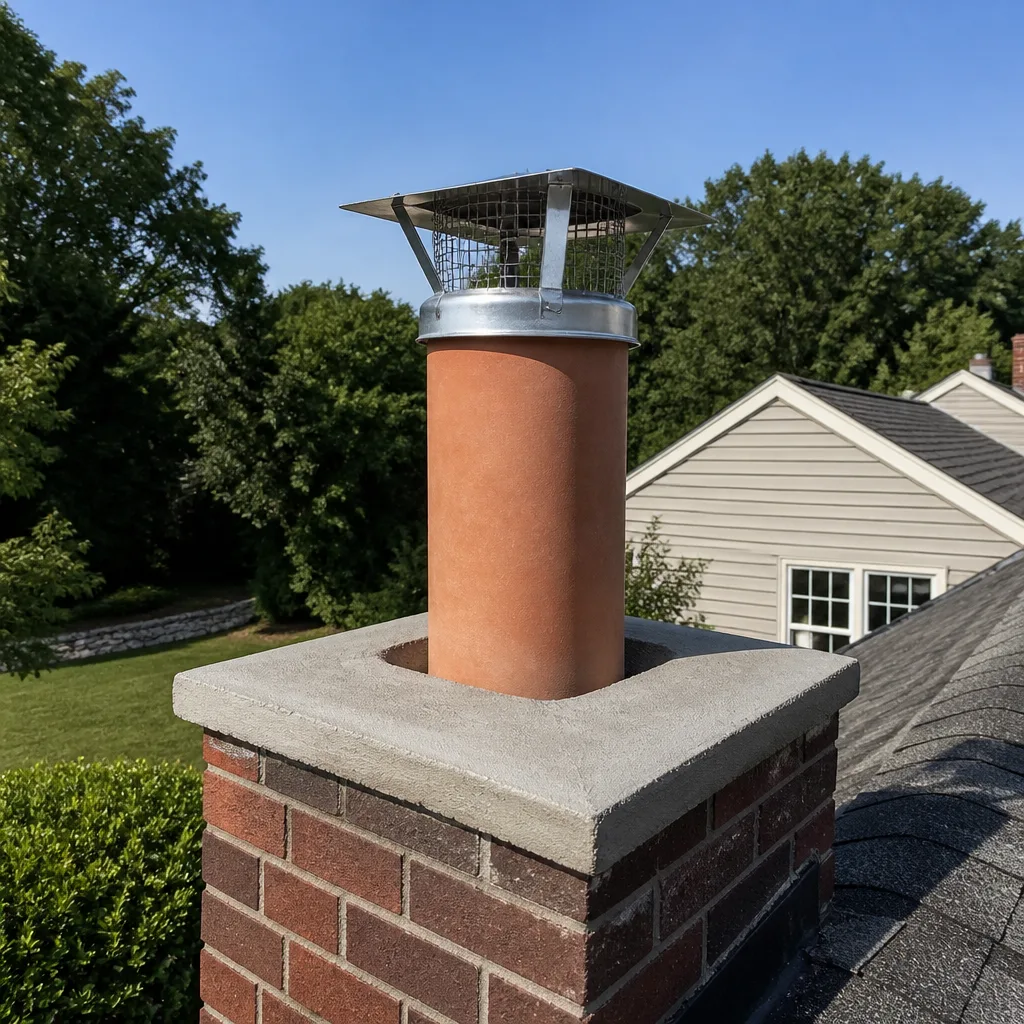 Flue relining
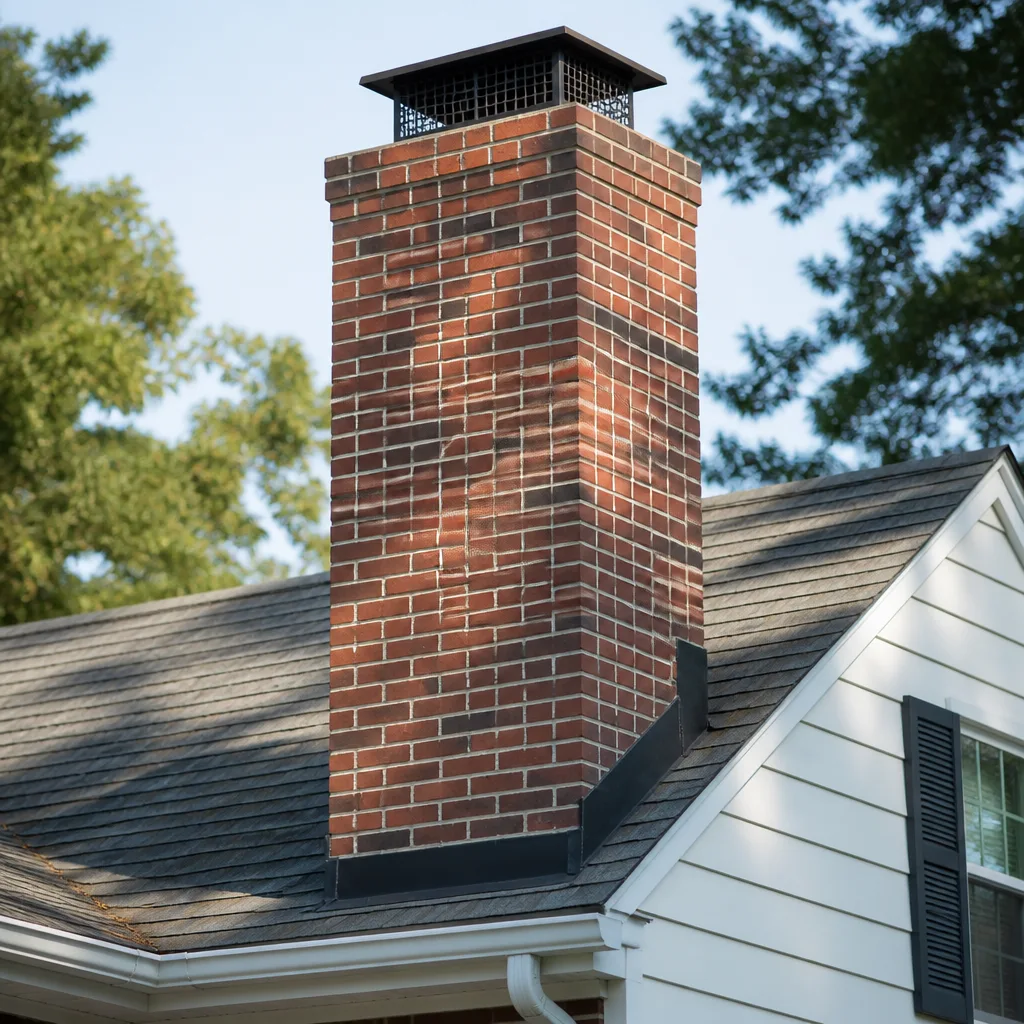 Masonry repair
 Gas fireplace service
Level 1 sweep and inspection to the NFPA 211 annual standard - flue, crown, cap, and flashing checked and photographed
Chimney sweep logs do not sweep chimneys. They loosen some creosote - which then falls where a brush and vacuum still have to collect it.
DIY vs Professional Chimney Cleaning: The Abilene Homeowner’s Decision Guide
Chimney cleaning brush kits sell at every big-box store in Abilene. The question isn’t whether you can buy the tools. It’s whether the tool you’re buying actually solves the problem you have. For a significant percentage of wood-burning chimneys, it doesn’t. A poly brush on flexible rods removes loose soot from a straight flue. It does very little against glazed creosote, and nothing at all against a hidden crack or a flue that no longer meets clearance. This guide draws the actual technical line between what a homeowner can reasonably handle and where professional equipment stops being optional. We’ll cover the three deposit stages, the difference between brushing and rotary cleaning, why an inspection often matters more than the soot, and the roof and insurance realities specific to Abilene.
Quick Answer
DIY chimney cleaning is technically reasonable in a narrow set of cases: a gas appliance or gas insert, a lightly used fireplace, a short straight flue, and no sign of heavy or glazed creosote. Everything else, especially a wood-burning system with Stage 2 or Stage 3 deposits, an older masonry chimney, or a flue with offsets, needs professional rotary equipment and a camera inspection. Cleaning without an inspection also leaves the most important findings, the structural ones, undiscovered.
Styles & brands we work with
- Sweep & inspection
- Caps & crowns
- Flue relining
- Masonry repair
- Gas fireplace service
Table of Contents
- When Can a Homeowner Reasonably Clean a Chimney Yourself?
- Understanding Creosote Stages: The Real Dividing Line
- What Professional Rotary Systems Do That Brush Rods Can’t
- The Inspection Gap: Why Cleaning Without Inspection Misses the Point
- Roof Safety in Older Abilene Neighborhoods
- Liability: Why a DIY Clean Before a Chimney Fire Can Backfire
- How Often Should an Abilene Chimney Be Swept?
- What a Professional Sweep and Inspection Involves
When Can a Homeowner Reasonably Clean a Chimney Yourself?
A homeowner can reasonably clean a chimney themselves when three conditions all hold: the appliance is gas rather than wood, the fireplace sees light use, and the flue is short, straight, and easy to reach from the top or bottom. Under those circumstances a standard poly brush and rods remove the light dusting of soot that a gas insert produces, and there’s no creosote to speak of. That’s a genuine DIY situation, and dismissing it would be dishonest.
The line shifts the moment you’re dealing with a wood-burning firebox. Wood smoke carries unburned tar and unburned carbon, and those accumulate on the flue walls as creosote. A brush knocks down the dry, powdery kind. It smears the sticky kind, and it does nothing to the hardened, glazed kind. The table below is the honest version of what a homeowner can manage:
- Gas insert, light use, short flue: Reasonable for a careful homeowner with the right sized brush.
- Wood-burning fireplace, occasional use, Stage 1 powder: Doable, but you won’t know it’s only Stage 1 without a look at the full flue.
- Wood-burning fireplace, regular use, any stickiness: Not a DIY job. Sticky creosote needs rotary action.
- Any glazed or hardened deposit: Professional only. Brushing can damage the flue and leave the hazard in place.
- Older masonry chimney, unknown history: Inspection first, and that means a professional with a camera.
Abilene has a long wood-burning season that comes down hard in the cooler months, and many homes burn more than their owners realize. If your fireplace gets a fire most nights from fall into spring, treat your system as a working wood chimney rather than a decorative one. That distinction is what actually decides the DIY question.
Understanding Creosote Stages: The Real Dividing Line
Creosote forms in three recognizable stages, and the stage your chimney has reached tells you more about whether to call a professional than any other single factor. Stage 1 is soot and light flake, the kind a brush removes easily. Stage 2 is a sticky, tar-like film that clings to the flue wall. Stage 3 is glazed and hardened, sometimes glassy, and it’s the stage most closely tied to chimney fire risk. Skilled sweeps grade deposits by these stages, and that grading is what should drive your decision.
Here’s the practical problem: you can’t see inside your own flue well enough from the firebox to know which stage you’re at, especially past an offset. Homeowners tend to look up, see black, and assume the worst or the best. The deposit near the top of the firebox and the deposit twenty feet up are often very different, and the deeper deposit is the one that matters.
What the three stages mean for a homeowner
- Stage 1 (soot and flake): Brush-removable. A reasonable DIY target in a lightly used system.
- Stage 2 (sticky tar): Smears with a brush. Needs professional rotary cleaning, and sometimes a chemical sweep treatment first.
- Stage 3 (glazed, hardened): Professional only. Often requires mechanical removal, and sometimes liner replacement if the flue is damaged.
In our experience, the majority of wood-burning chimneys we’re called to in Abilene land somewhere between Stage 1 and Stage 2, and a good number carry Stage 3 in the upper flue where the smoke cools fastest. That upper zone is exactly the part a homeowner’s brush never reaches well. If you want a professional read on your deposits, a chimney sweep will grade them and show you what’s there.
What Professional Rotary Systems Do That Brush Rods Can’t
Professional rotary cleaning systems spin a brush or whip head on a motorized rod at controlled speeds, which lets the head abrade sticky and hardened creosote off the flue wall instead of smearing it. A hand-pushed poly brush has nowhere near the mechanical energy to do this. That’s the technical difference, and it’s the whole reason a professional sweep exists as a trade rather than a chore anyone can do with a kit from the hardware aisle.
The rotary head also adapts to flue shape. Round, square, and oval flues each need a different head, and a whip head handles corners and the flue lining joints that a round brush skips. On top of that, rotating at speed loosens deposits that have bonded to the firebrick, which a straight brush will simply ride over.
Tools and materials that make the difference
- Motorized rotary rods with interchangeable heads for round, square, and oval flues.
- Whip heads for the corners and the upper reaches a round brush misses.
- Chemical sweep treatments that soften Stage 2 tar before mechanical removal.
- A strong HEPA vacuum with the correct filtration so soot doesn’t settle across the room.
- Liner systems and venting components for when a sweep uncovers damage. We work with professional-tier brands like HeatShield and Olympia Chimney for exactly this.
One more point that matters in a lot of Abilene homes: an offset or non-standard flue shape. A straight brush struggles to negotiate a jog in the flue, and it tends to miss the far side entirely. Flexible liner systems, such as those from DuraFlex, let a professional properly reach and reline a chimney with offsets rather than skip the problem. That’s a repair capability a brush kit simply doesn’t have.
The Inspection Gap: Why Cleaning Without Inspection Misses the Point
A sweep removes soot. An inspection finds the things that actually threaten your home: cracks in the flue tiles, gaps at the liner joints, failed mortar, missing or damaged caps, and clearance problems. If you clean your own chimney and never inspect it, you’ve handled the cosmetic layer and left the structural layer unexamined. In our experience, the findings that matter most are almost never about soot. They’re about what the soot is hiding.
This is the core argument for professional service that goes beyond the cleaning itself. A sweep without an inspection is a guess. We do both, and we do them with a camera so the homeowner can see what we see rather than take it on faith. Camera inspection and a photo report are part of the service, and nothing gets recommended that isn’t backed by evidence you can look at yourself.
What an inspection typically checks
- Flue interior from the firebox to the cap, evaluated on camera.
- Liner integrity, including joint gaps and any cracking in the tile or the liner itself.
- The firebox, damper, and smoke chamber for cracks or mortar loss.
- The cap, crown, and flashing for water entry points and animal access.
- Clearances to combustible framing, which often can’t be seen without a proper look.
There’s a second reason the inspection gap matters: it’s where repair decisions come from. A sweep-only crew that finds a damaged flue has to hand you off to someone else. If a professional inspection turns up a cracked liner, a specialized repair like HeatShield ceramic resurfacing can sometimes restore it without a full reline, and a damaged crown or cap can be fitted with proper components from brands like Famco or Gelco. One company handles the sweep, the inspection, and the fix, so findings become action rather than a report with no follow-through.
Roof Safety in Older Abilene Neighborhoods
Roof access is where DIY chimney cleaning gets genuinely dangerous, and it’s a point a lot of online guides gloss over. Some of Abilene’s older residential neighborhoods have steeper-pitched roofs and weathered shingles, and a sweep has to get up there and work at the cap and the flue top. That’s a real fall hazard on a sloped surface, especially with a bucket of soot and a set of rods in hand. A trained professional has the ladders, the roof anchors, and the practice to work up there safely; a homeowner climbing up once a year with a kit does not.
The risk profile climbs fast when the job is at the top of the chimney. Removing a cap to brush the flue, then reseating it correctly, takes a steady footing. A cap left loose or a crown knocked out of place becomes a water-and-animal problem down the line. We work with correctly fitted caps and covers from Gelco and Famco for exactly this reason: the top of the chimney is a component, not just a hole to brush through. If the job puts you on a steep roof in Abilene, the honest answer is that it’s a professional task, not because you’re incapable, but because a fall from a roof is a life-changing event and there’s no brush kit worth that.
Liability: Why a DIY Clean Before a Chimney Fire Can Backfire
Here’s a hard truth most DIY advice skips: if there’s a chimney fire and your insurance company finds out you cleaned the chimney yourself, they have a real foundation to dispute the claim. Insurers expect chimney maintenance to be documented, and a DIY job leaves no record. No date, no inspection report, no proof the flue was in sound condition. When a claim hinges on whether the chimney was properly maintained, that missing record can work against you.
A professional sweep and inspection produces a written record and a photo report of the flue’s condition on the date of service. That matters if a fire ever happens, and it matters more often if you ever sell the house. A documented inspection history is exactly the kind of thing a buyer’s inspector looks for, and it’s easy to hand over.
We’re not suggesting insurers treat every DIY job as negligence, and we’re not suggesting you should worry about a claim you may never make. The point is narrower: when you’re weighing DIY against professional cleaning, the documentation side rarely gets mentioned, and it’s part of the value. It’s also part of the reason a professional chimney repair visit makes sense when a sweep turns up something structural. The record compounds, and it protects you when it matters.
How Often Should an Abilene Chimney Be Swept?
An Abilene chimney that burns wood should be swept once a year during active use, and many homes benefit from an inspection at the same time. If the fireplace sees only a handful of fires a season, a slightly longer interval may be fine, but the yearly inspection is still worth doing. Gas inserts generally need less frequent sweeping but still benefit from an annual check. The rule of thumb among chimney professionals is that a wood-burning system should be inspected yearly and swept whenever deposits build up, so at minimum you’re looking at one annual service.
Abilene’s wood-burning season leans hard into the cooler months, so the practical rhythm is to schedule before the burning season starts. A sweep booked before the first serious run of fires means the flue is clean when you need it most. It also means any repair a camera finds gets handled before you’re relying on the fireplace every evening.
Signs you’re overdue
- Smoke rolling back into the room instead of drawing up the flue.
- A strong, sharp creosote smell on warm days, which often means deposits have built up.
- Visible soot or flaking on the firebox walls and the damper.
- A cracked or crumbling firebox or smoke chamber.
- A cap that’s loose, missing, or blocked by birds or debris.
- Any popping or roaring sound from the flue, which means stop using it and get it checked.
If any of those show up, don’t push through with a DIY brush. Book a professional sweep and inspection so the flue is looked at properly.
What a Professional Sweep and Inspection Involves
A professional sweep and inspection in Abilene follows a predictable sequence, and knowing what to expect removes most of the hesitation homeowners have about calling. Nothing gets recommended that isn’t backed by camera evidence you can see for yourself, and we’ll tell you plainly when something can safely wait. Here’s the flow.
- Set up and protect the room. Drop cloths go down, and a HEPA vacuum is set up at the firebox so the room stays clean.
- Sweep the flue. Rotary equipment, sized to your flue, removes soot and creosote from the firebox up to the cap.
- Inspect on camera. The full flue and firebox get a camera inspection, with a photo report you keep.
- Review findings with you. We walk through what the camera shows and explain what needs work and what can wait.
- Handle repairs if needed. If the inspection turns up a repairable liner, HeatShield ceramic resurfacing can restore it without a full reline; damaged caps and crowns get the right fitted components.
- Confirm the cap and crown. The top of the chimney goes back together properly, and the system is checked for draft before we close out.
Our technicians have up to experience, and we use the same materials the chimney industry’s leading suppliers stock. You’re dealing with one company that handles the sweep, the inspection, and the fix, so there’s no referral web to untangle if a problem is found.
Common Mistakes to Avoid
- Buying a brush kit that’s the wrong size for your flue, then scraping the liner with a head that doesn’t fit. Match the brush to the flue shape and size, or the sweep does more harm than good.
- Cleaning a wood-burning chimney that clearly has sticky or glazed creosote and calling it done. Brushing smears Stage 2 deposits and leaves the hazard in place along the flue wall.
- Skipping the inspection because you cleaned the flue yourself. The findings that matter, cracks and liner gaps, are invisible without a camera, and they dwarf the soot problem.
- Climbing onto a steep-pitched roof in an older Abilene neighborhood without proper fall protection. The flue top is the hazard zone, and a fall from a roof is the worst outcome of the whole decision.
- Removing and reseating a chimney cap without checking the crown and flashing. A cap that goes back loose lets water and birds in, and that becomes a repair down the line.
- Cleaning the chimney yourself and assuming that’s enough for insurance. A documented professional inspection is what stands up if a claim ever comes up, and DIY leaves no record.
- Waiting until smoke is rolling back into the room to deal with it. Backdraft and a blocked flue are safety signals, not scheduling signals, so stop burning and get it inspected.
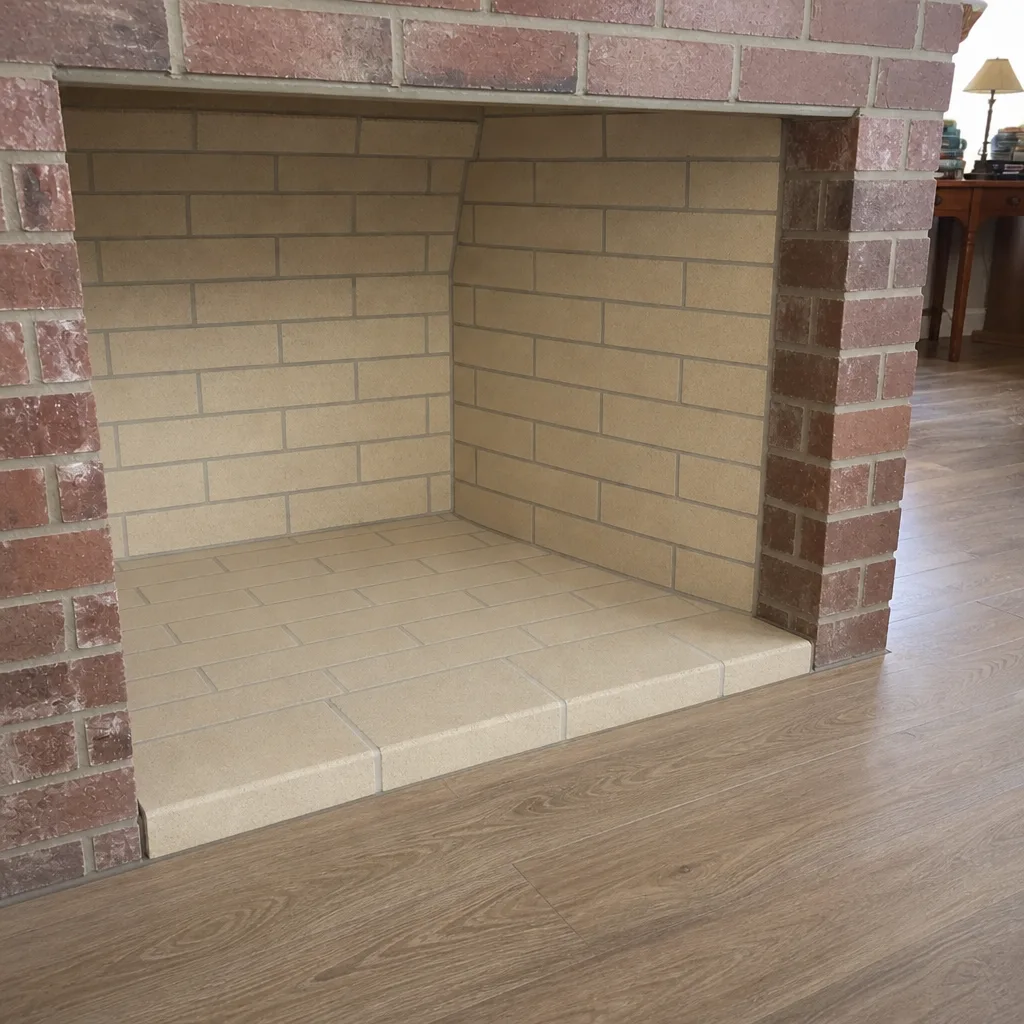
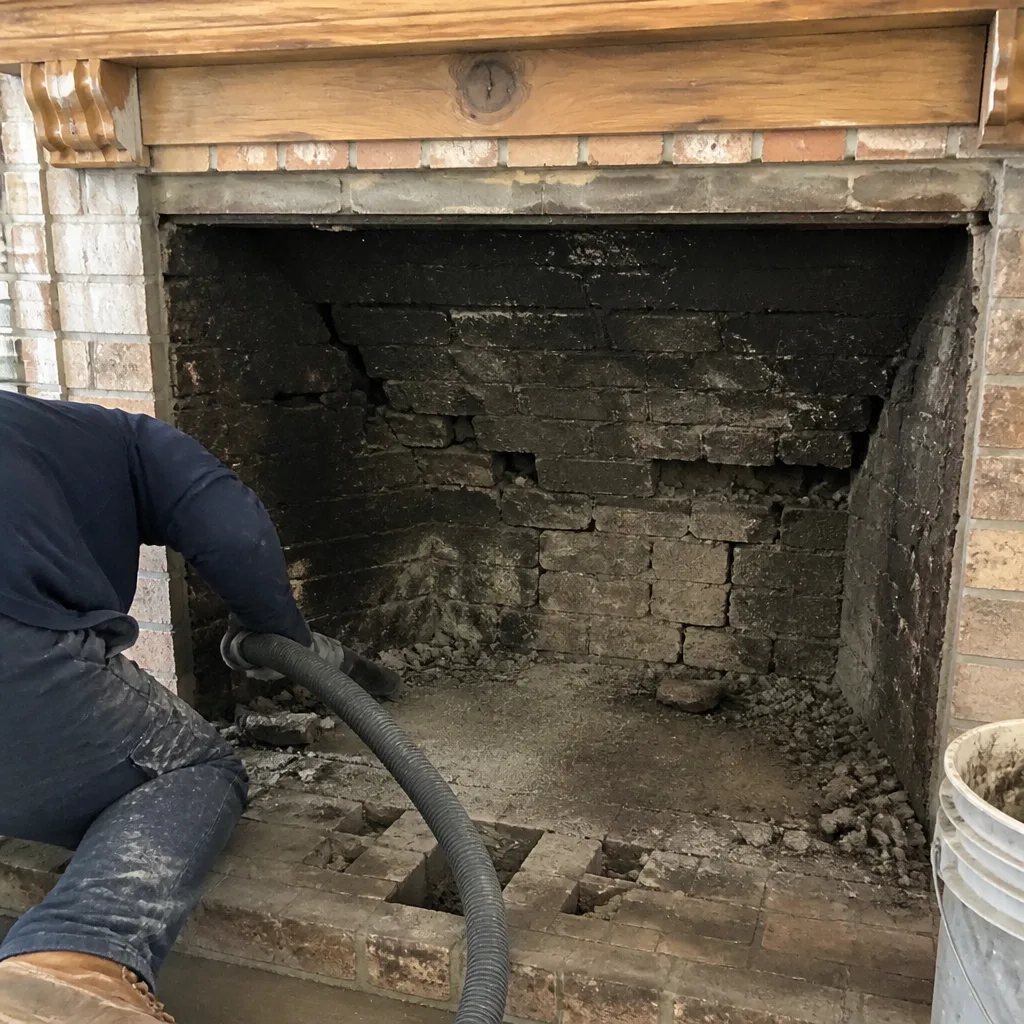
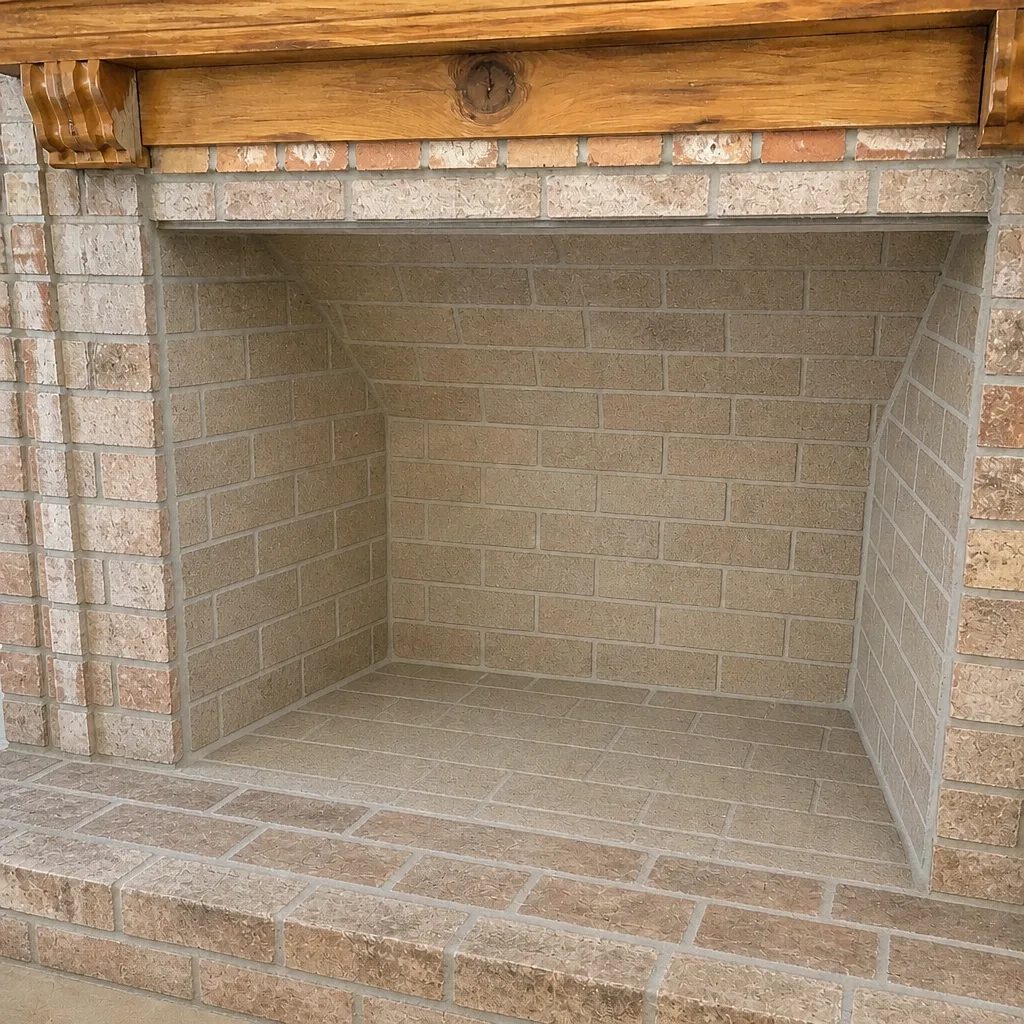
See the difference
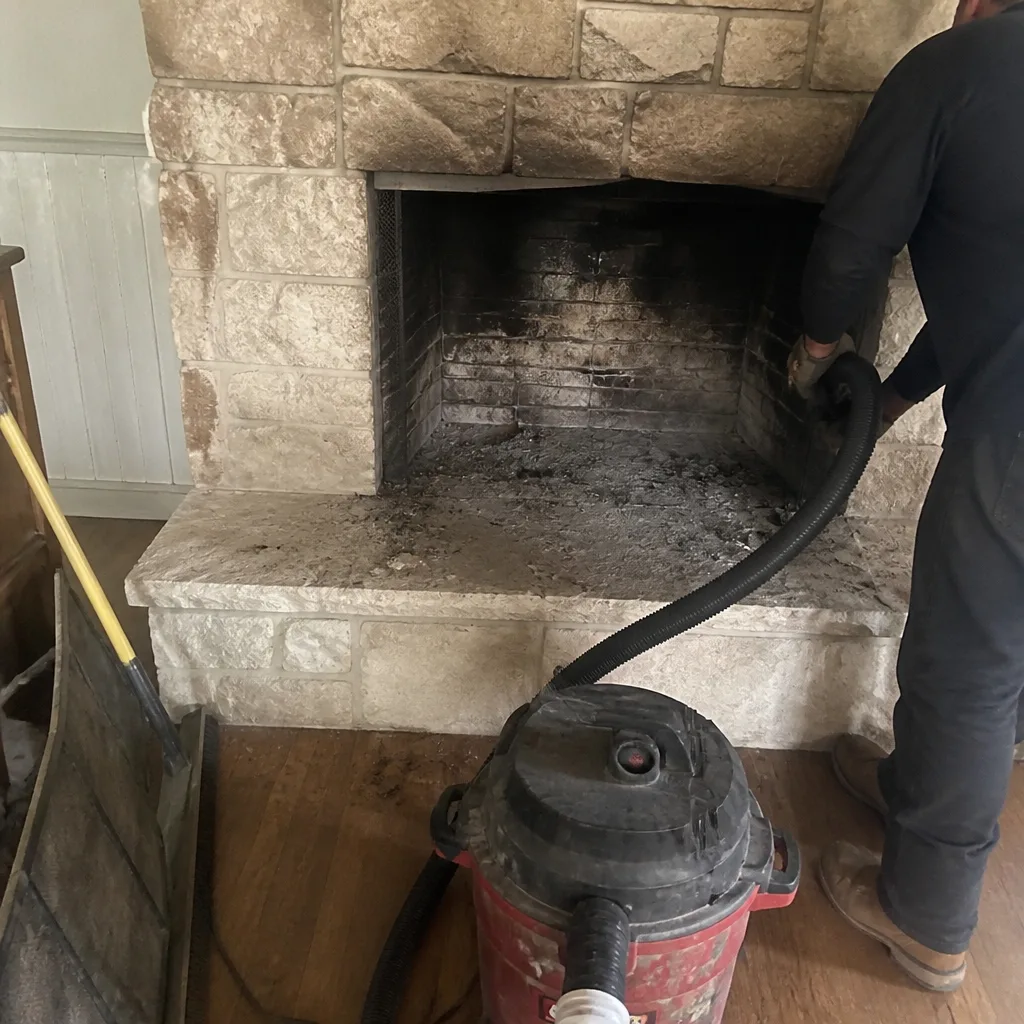 Before
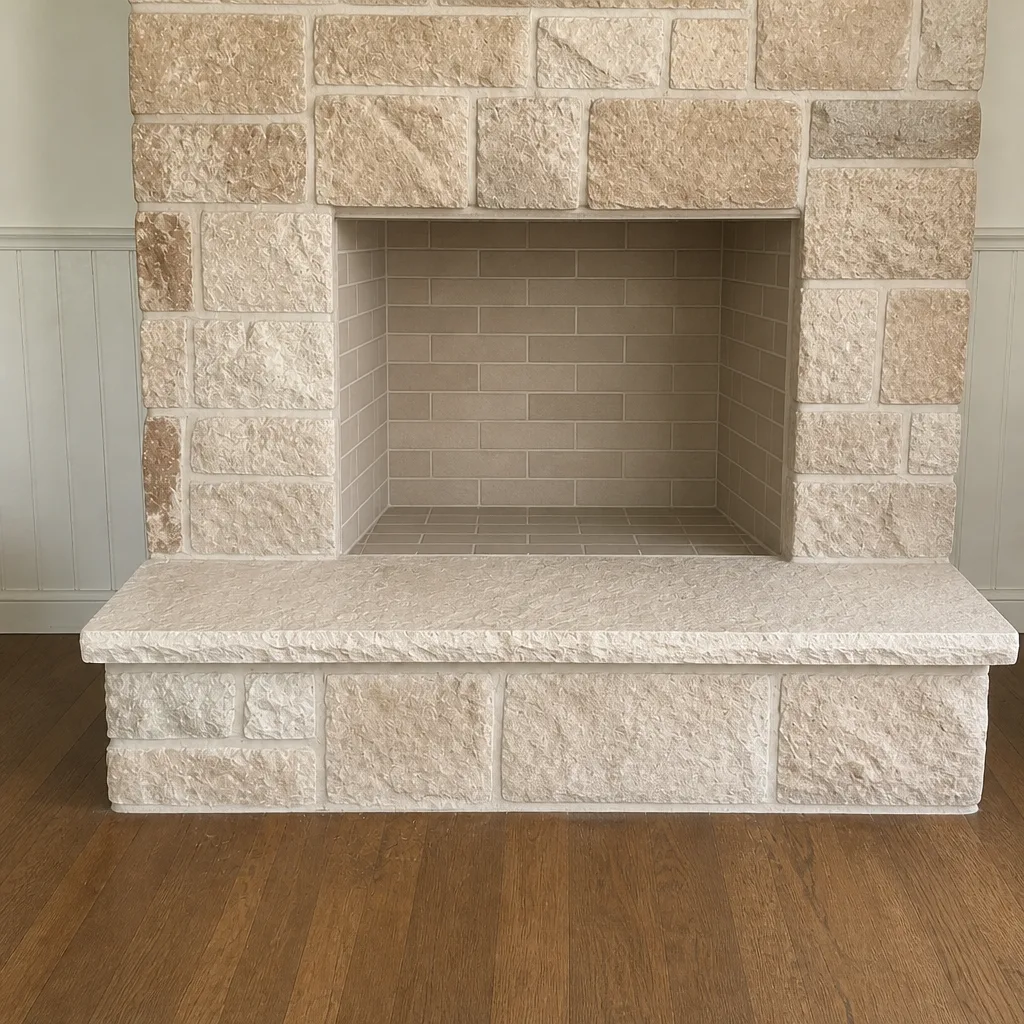 After
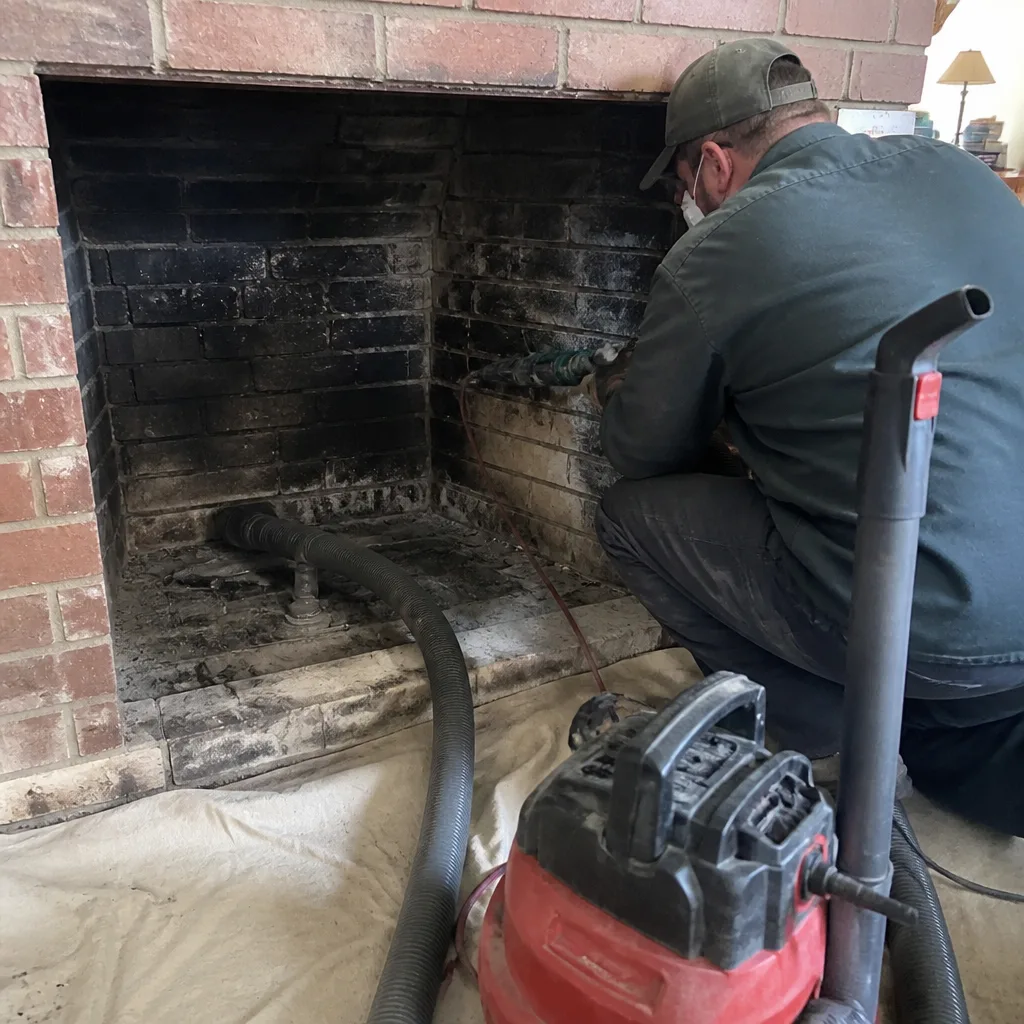 Before
 After
 Before
 After
When to Call a Professional
Call a professional when any of the following is true: your system burns wood and shows any sign of sticky or glazed creosote; a camera or a flashlight reveals cracks or liner gaps; the roof pitch or height puts the flue top out of safe reach; you’re planning to sell the house and need a documented inspection; or you’re simply not sure of the stage your flue is at. Those are all cases where DIY stops being reasonable and a trained eye is worth the call. Chimney Sweep Abilene offers free estimates in Abilene, and we’ll show you the camera evidence before recommending anything. Call (888) 359-2615. We answer 24/7. Fast dispatch from 7am to 7pm, Sunday through Friday.
Frequently Asked Questions
In a narrow set of cases, yes: a gas insert, light use, a short straight flue, and no sign of sticky or glazed creosote. For a wood-burning system with regular use or any glazed deposits, the brush in a hardware-aisle kit won’t remove the creosote that matters. Call (888) 359-2615 for an exact quote; estimates are free.
A sweep removes soot and creosote from the flue, and an inspection evaluates the flue, firebox, liner, and cap for structural problems, on camera. The two answer different questions, and a sweep without an inspection is a guess. Abilene homeowners should ask for both. Call (888) 359-2615 for a free estimate.
A wood-burning chimney should be swept once a year during active use and inspected annually at minimum, and gas systems benefit from a yearly check. Schedule before the burning season starts so the flue is clean when you need it. Call (888) 359-2615 for an exact quote; estimates are free.
No. Glazed and hardened creosote needs professional rotary equipment, and sometimes a chemical sweep treatment first, because a hand brush smears it and leaves it in place. That’s a safety issue, not a convenience one. Call (888) 359-2615 to book a professional sweep.
It can. A DIY job leaves no written record of condition, so if a chimney fire leads to a claim, the insurer may question whether the chimney was properly maintained. A professional sweep and inspection produce a photo report that documents the flue’s condition. Call (888) 359-2615 for a documented inspection.
Not always. A specialized ceramic resurfacing like HeatShield can restore some damaged liners without a full reline, and a professional can tell you from camera evidence whether that’s an option. Nothing gets recommended that the inspection doesn’t show. Call (888) 359-2615 for a free estimate.
The Bottom Line
DIY chimney cleaning isn’t reckless across the board, and treating it that way ignores a legitimate gas-insert or lightly used fireplace case. The honest line is creosote stage and inspection findings, not a homeowner’s capability. Stage 1 deposits in a short, straight flue are a reasonable DIY target. Stage 2 and Stage 3 deposits, older masonry chimneys, offset flues, and anything involving a steep roof or a structural crack push the job to a professional. And regardless of who cleans it, the inspection is the part that protects your home, your documentation, and your ability to know what’s actually happening inside your flue in Abilene.
When you’re ready for a free estimate from a specialist that handles the sweep, the inspection, and the repair step, call Chimney Sweep Abilene at (888) 359-2615. We answer 24/7. Fast dispatch from 7am to 7pm, Sunday through Friday. Tell us what you’re seeing, and we’ll take a look in Abilene with a camera, a photo report, and a written estimate that sets the final price.
Written by the team at Chimney Sweep Abilene.