
Last updated November 15, 2026
 Sweep & inspection
 Caps & crowns
 Flue relining
 Masonry repair
 Gas fireplace service
Level 1 sweep and inspection to the NFPA 211 annual standard - flue, crown, cap, and flashing checked and photographed
Chimney sweep logs do not sweep chimneys. They loosen some creosote - which then falls where a brush and vacuum still have to collect it.
Choosing the Right Chimney Cleaning Brand: A Buyer’s Guide for Abilene
Walk into any hardware store in Abilene and you’ll find three different creosote remover products on the same shelf with no obvious way to tell them apart. The labels all promise to make your chimney safer, and none of them tell you what you actually need to know: whether the chemistry is built for light, flaky Stage 1 creosote or has any realistic effect on the hardened Stage 2 glaze that causes most chimney fires. Brand reputation won’t answer that question. The specification will. This guide walks you through what those specifications mean, from creosote treatments to cap metals to flue liner listings, so you can judge a product by what it meets rather than what it’s called. We’ll also explain why chimney product selection belongs with a trained contractor in Abilene, not a shelf.
Quick Answer
Choosing the right chimney cleaning brand in Abilene comes down to specification literacy, not labels. Look for products that state what they’re designed for (which creosote stage, which flue type, which UL listing), verify that flue liners carry a UL 1777 or UL 103 listing, and match cap material to local sun and wind exposure. The installation method matters as much as the product, which is why professional-chimney-industry materials installed by a trained technician outperform anything bought off a shelf and applied by guesswork.
Styles & brands we work with
- Sweep & inspection
- Caps & crowns
- Flue relining
- Masonry repair
- Gas fireplace service
Table of Contents
- Why Brand Names Matter Less Than Specifications
- Creosote Removers: Stage 1 vs Stage 2 Chemistry
- Chimney Caps: Galvanized vs Stainless vs Copper in Abilene
- Flue Liners: What UL 1777 and UL 103 Actually Mean
- Smoke Chamber Restoration: HeatShield vs Basic Repointing
- Why Product Selection Should Run Through a Contractor
- A Step-by-Step Selection Process
- Common Mistakes to Avoid
Why Brand Names Matter Less Than Specifications
A national brand on a bottle tells you who made a product. A specification tells you what the product will do in your chimney. Those are two very different things, and homeowners in Abilene often buy on the first while ignoring the second.
Chimney products fall into a handful of categories, and each one has a technical standard behind it. Creosote removers are designed around a specific creosote stage. Caps are rated by their metal and coating. Liners carry a listing that describes what flue types and temperatures they’re built for. Smoke chamber coatings have their own performance criteria. When you skip past the specification to the brand, you’re guessing.
Here’s what specification literacy actually looks like in practice:
- A creosote remover that names which stage of creosote it’s designed to treat, not just “removes creosote.”
- A cap that states its metal type (galvanized steel, stainless, or copper) and the thickness or coating that metal carries.
- A flue liner with a UL listing number and the fuel type and appliance class it’s rated for.
- A smoke chamber product that describes what it bonds to and how thick it cures.
When we evaluate the materials we work with – DuraFlex, HeatShield, Olympia Chimney, Famco, and Copperfield – we look at the same specifications you would. These are professional-tier product lines used across the chimney industry, and understanding what each one is designed to do tells you more about a job than the name on the box ever will. That’s true for any chimney sweep you hire in Abilene, whether it’s us or someone else.
Creosote Removers: Stage 1 vs Stage 2 Chemistry
Creosote forms in three recognizable stages, and they don’t respond to the same treatment. This is the single most misunderstood point in chimney cleaning products, so it’s worth slowing down here.
Stage 1: Soot and Flaky Creosote
Stage 1 is the light, dusty, flaky layer that builds up in the first several fires of a season. It comes off with a brush during a standard sweep. Chemical treatments aimed at Stage 1 work by drying out and loosening that flaky layer so it brushes away more completely. They’re the products you see on hardware shelves, and they do have a real job – but it’s a small one.
Stage 2: Glazed Creosote
Stage 2 forms when creosote has been baked onto the flue walls by repeated hot fires. It’s hard, shiny, and bonded to the surface. A brush alone won’t take it off, and a Stage 1 chemical treatment won’t touch it. Stage 2 is the layer that ignites in a chimney fire, and it’s the layer most chimney fires start in.
Here’s the problem: some products sold as creosote removers are formulated for Stage 1 but marketed in a way that implies they’ll handle anything. A homeowner in Abilene applies it, sees some loosened soot fall into the firebox, and assumes the chimney is safer. It isn’t. The Stage 2 glaze is still on the wall. That false sense of safety is a bigger risk than doing nothing, because it stops you from calling for a real inspection.
Stage 3: The Point of No Return
Stage 3 creosote is the heavily glazed, tar-like buildup that requires mechanical removal by a trained technician or, in some cases, relining. No product applied from the firebox will clear it.
What this means for a buyer: read what stage the product is designed for, and if it doesn’t say, assume it’s Stage 1 and treat it accordingly. The only reliable way to know what stage is actually in your flue is a professional inspection with a camera. Nothing on a hardware shelf replaces that.
Chimney Caps: Galvanized vs Stainless vs Copper in Abilene
A chimney cap does two jobs: it keeps rain and animals out of the flue, and it gives sparks a place to die before they hit the roof. In Abilene, it also takes a beating from sun and wind, and the metal choice determines whether it’s still doing its job ten years from now.
West Texas sun is unrelenting. A cap that looks fine after year one can be rusted through by year seven if the metal wasn’t chosen for this climate. Wind adds a second stress: caps that aren’t properly anchored vibrate, work loose, and eventually separate from the flue crown. The Abilene region’s open, windy weather exposes a cheap cap fast.
Galvanized Steel
Galvanized is the entry-level choice. It’s zinc-coated steel, and it holds up reasonably for a few years but the coating breaks down under UV exposure and repeated weather cycles. In An Abilene climate, a galvanized cap is realistically a short-term answer. It’s the choice most common on builder-grade homes, and it’s the one that usually needs replacing first.
Stainless Steel
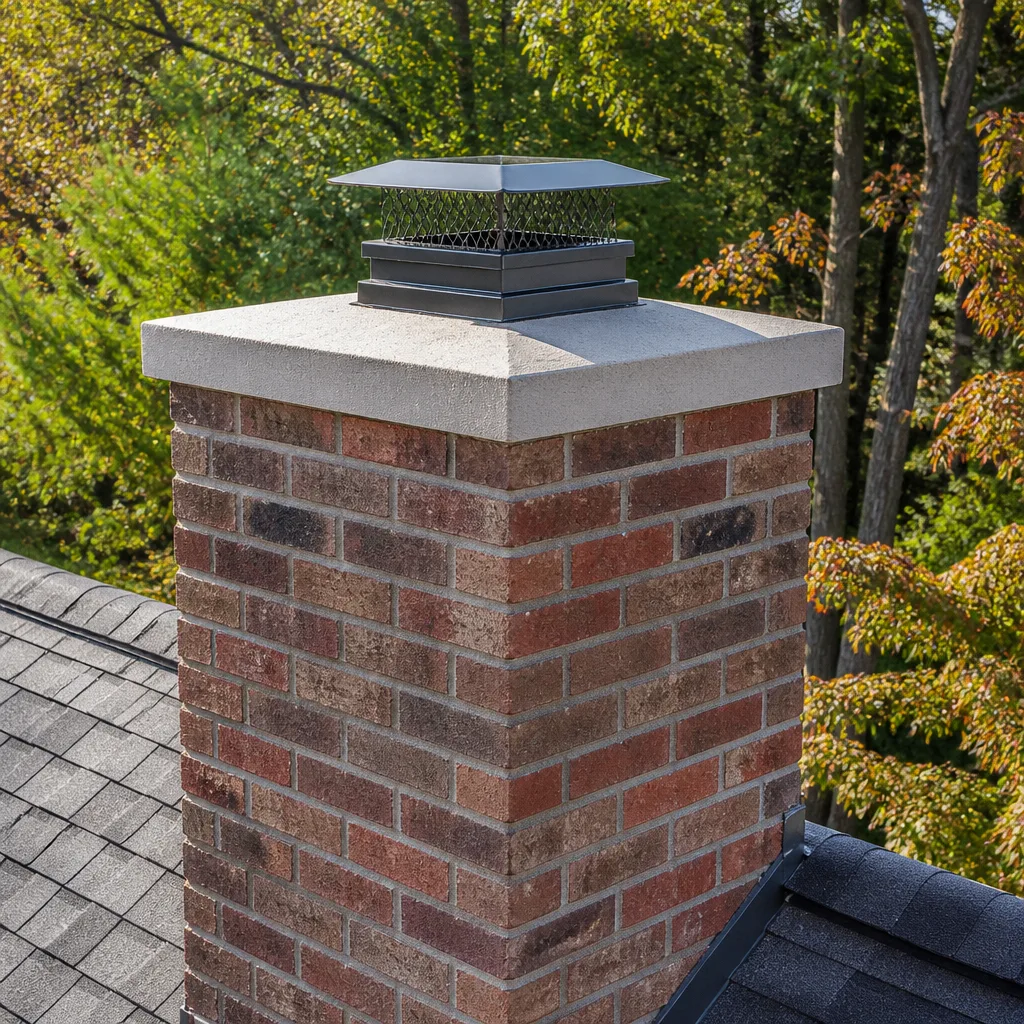
Stainless is the workhorse for this region. It doesn’t rust the way galvanized does, it holds its appearance longer, and it takes the wind load better. We install stainless caps from lines like Olympia Chimney and Famco because they’re built for exactly this kind of exposure. Over a ten-year horizon, stainless is usually the smarter buy even at a higher upfront cost, because you’re not replacing it twice.
Copper
Copper sits at the top of the range. It develops a natural patina over time, it holds up to sun and wind without issue, and it’s the option homeowners choose when the cap is visible from the street and appearance matters. Copper is more expensive, but it doesn’t degrade in the way galvanized does, and it lasts.
Whichever metal you choose, the fit matters as much as the material. A cap that’s the wrong size for the flue, or that’s attached with the wrong method, will fail regardless of what it’s made of. That’s an installation question as much as a product question.
Flue Liners: What UL 1777 and UL 103 Actually Mean
A flue liner isn’t a decorative accessory. It’s the component that carries combustion gases safely out of the house, and its listing is the document that tells you what it’s rated for. When a liner doesn’t carry the right listing, you have two problems: it may not perform the way it’s supposed to, and your homeowner’s insurance may have questions if something goes wrong.
UL 1777
UL 1777 is the standard for chimney liners – specifically, the listing that applies to listed chimney liners for use with wood-burning appliances. A liner carrying UL 1777 has been tested to a defined set of conditions for temperature, venting, and construction. If a liner doesn’t carry this listing, it isn’t a listed chimney liner in the sense the industry and most codes use the term.
UL 103
UL 103 is the standard for factory-built chimneys and their components. Some venting systems are tested to UL 103 rather than UL 1777, depending on the appliance and installation. What matters for you as a homeowner is that the liner you’re having installed is listed for your fuel type and appliance, and that the listing number appears in the product documentation.
Why Unlisted Liners Create Insurance Exposure
Insurance carriers look at whether a chimney system was built to recognized standards. A liner that isn’t listed is a component they can point to if there’s ever a claim. More importantly, an unlisted liner is one that hasn’t been tested to perform the way a listed liner has. That’s not a paperwork problem. It’s a real safety gap.
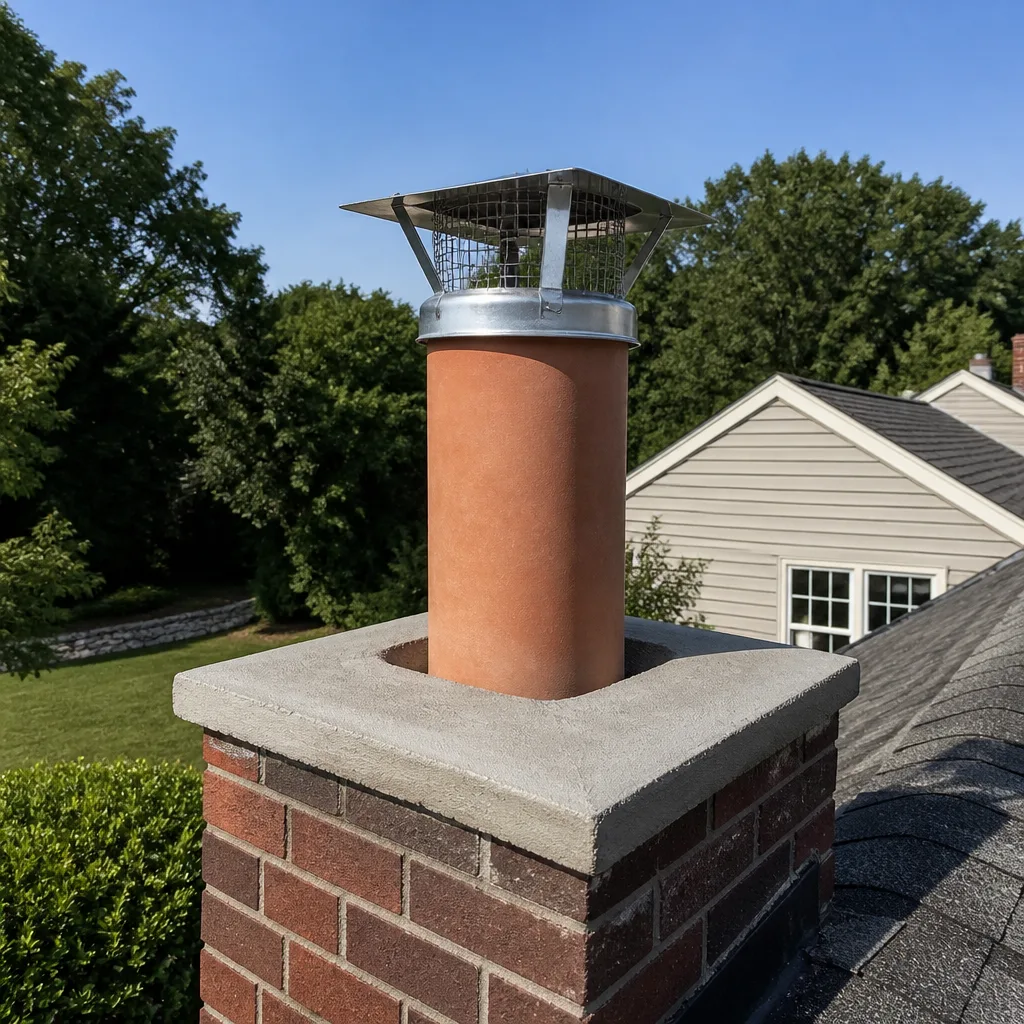
This is where liner material choice intersects with flue geometry. Some chimneys have offsets or non-standard flue configurations that rigid liners can’t navigate cleanly. Flexible systems like DuraFlex exist for exactly that reason: they’re listed liners designed to handle bends that rigid pipe can’t. When you’re relining a chimney with an offset, you need a liner that matches both the flue geometry and the listing requirement. The right liner for your flue means both, not one at the expense of the other.
Any chimney repair that involves relining is a good moment to ask your contractor to show you the listing before work starts.
Smoke Chamber Restoration: HeatShield vs Basic Repointing
The smoke chamber is the tapered section above the damper and below the flue. It’s where smoke compresses and gets pushed up into the flue. It’s also one of the most commonly neglected parts of a masonry chimney.
Older masonry smoke chambers are built with corbelled brickwork. The rough, stepped interior catches creosote, which is why it’s a common spot for blocked or slow draft in Abilene homes with older fireplaces. When the mortar joints fail, the chamber needs repair. The question is which kind.
Basic Repointing
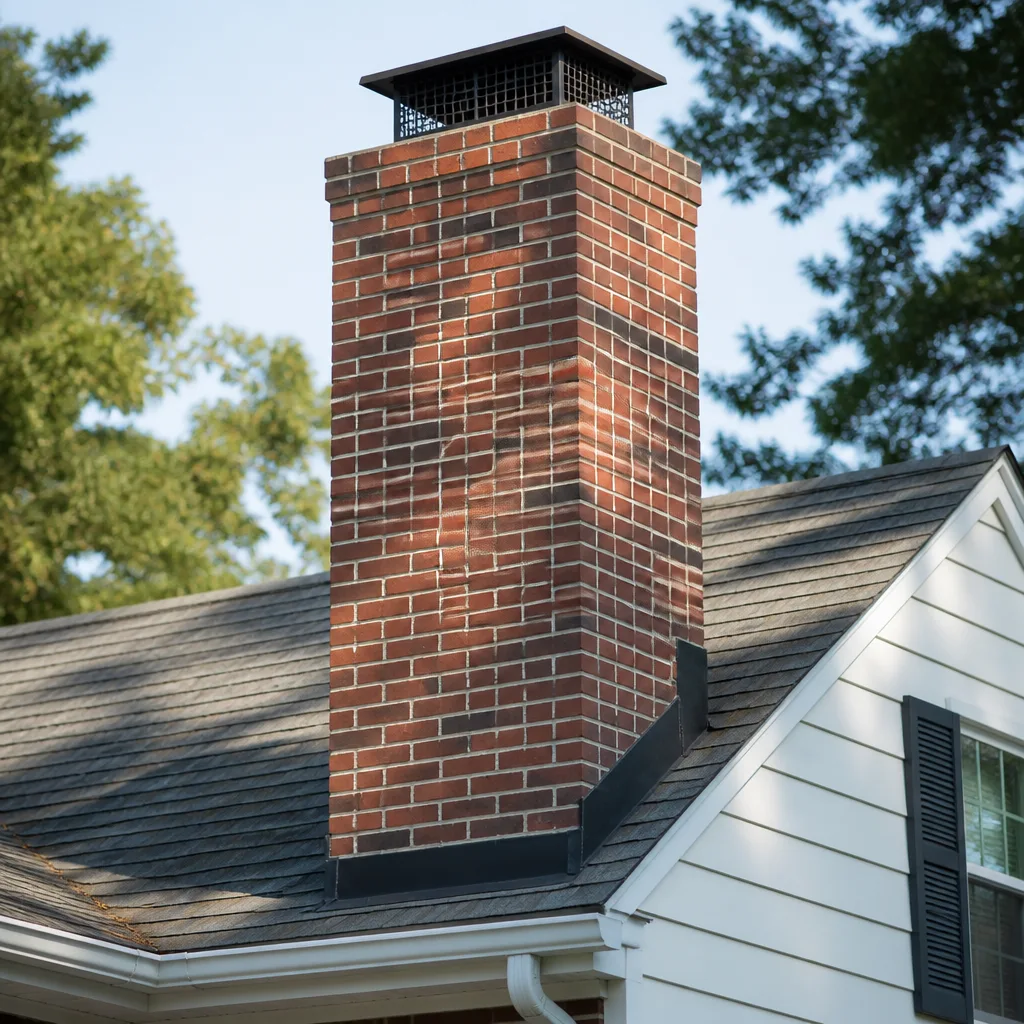
Repointing is mortar work: grind out the failed joints between the bricks and refill them with fresh mortar. It’s a legitimate repair for mortar that has cracked but where the brick itself is intact. What repointing doesn’t do is smooth the chamber. The interior stays rough and corbelled, which means it still catches creosote.
HeatShield Ceramic Resurfacing
HeatShield is a ceramic-based resurfacing system. It’s applied to the interior of the smoke chamber and the flue to create a smooth, sealed surface over the corbelled brick. The effect is structural as much as cosmetic: the rough surface that caught creosote and disrupted draft is now smooth and sealed, and the underlying masonry is protected.
What this means practically is that HeatShield gives you a repair option that doesn’t exist in a repointing-only trade. When a chimney has a corbelled smoke chamber with failing joints, the choice isn’t between repointing and full relining. It’s between repointing, which leaves the rough surface, and HeatShield resurfacing, which smooths and seals. That matters because smoother surfaces mean less creosote accumulation and more reliable draft.
Most sweep-only companies can’t offer HeatShield, because it’s a specialized application that requires training and the right product. That’s a differentiator worth knowing when you’re evaluating a contractor. If a repair recommendation feels either too small (repointing) or too big (full relining), HeatShield is often the middle option worth asking about.
Why Product Selection Should Run Through a Contractor
Chimney products are engineered around an installation method. A liner that carries a listing was tested as an installed system, not as a loose piece of metal. A ceramic coating was tested at a specified cure thickness. A cap was tested with the anchoring method it was designed for. This is the part most homeowners miss: the product doesn’t deliver its rating unless it’s installed the way the manufacturer designed it.
That’s the argument against buying chimney products from a retailer and applying them yourself. It isn’t that the products are inherently bad. It’s that the product is only half of the performance equation, and the installation method is the other half.
There’s a second reason. Product selection requires knowing what’s actually in the flue. You can’t choose the right creosote treatment without knowing the creosote stage. You can’t choose the right liner without knowing the flue geometry and the appliance. You can’t choose a smoke chamber repair without looking at the chamber. That diagnostic step happens before the product choice, not after.
In our experience, the most valuable part of a service call is often the inspection that comes with it. One company handles the sweep, the inspection, and the fix – no referrals, no gaps. When we recommend a material from lines like Copperfield, Famco, Olympia Chimney, or HeatShield, we’re making that recommendation on the basis of what we saw in the flue that day. That’s a very different recommendation from one based on what’s cheapest in stock. If you’re in Abilene and working with an older masonry chimney, an inspection paired with the ability to repair on the same visit is the combination worth seeking out.
A sweep without an inspection is a guess. We do both. That’s not a marketing line; it’s the reason we spend as much time looking as sweeping on every job.
A Step-by-Step Selection Process
Here’s how to actually choose materials for a chimney project, in order. Skip a step and the rest of the chain falls apart.
- Get a diagnostic inspection first. Before you choose any product, know what’s in the flue: creosote stage, liner condition, smoke chamber condition, cap condition. A camera inspection gives you the real picture, not a guess from the firebox.
- Match the product to the problem. Stage 1 creosote gets a Stage 1 treatment. Stage 2 glaze gets mechanical removal or a specialized approach. A failed liner gets a listed liner. A rough smoke chamber gets resurfacing, not just repointing.
- Ask for the specification. If a liner is recommended, ask for the UL listing. If a coating is recommended, ask what it’s designed to bond to and how thick it cures. If a cap is recommended, ask what metal it is.
- Read the installation method. Ask how the product will be installed and whether that method matches the manufacturer’s requirements. A listed liner that’s installed outside its tested method is no longer a listed liner in practice.
- Ask what the alternative is. A good contractor will tell you when a smaller repair will do, when a bigger one is needed, and when neither is urgent. If every answer is “full reline,” ask why.
- Get the recommendation in writing with the evidence. A camera inspection should produce a photo report you can look at yourself. Nothing should be recommended that you can’t see.
That last step matters most for your confidence. The biggest hesitation homeowners have is being told they need thousands of dollars of liner or masonry work they have no way to verify. Camera evidence solves that. Our inspection service is paired directly with repair capability, so findings are actionable rather than generating a report with no follow-through.
Common Mistakes to Avoid
- Buying a creosote remover without knowing the creosote stage. A Stage 1 product applied to Stage 2 glaze isn’t just ineffective; it can create a false sense that the chimney is safer when nothing has changed. Inspect first.
- Choosing a cap on price alone. A galvanized cap that costs less today may need replacement in half the time a stainless or copper cap would last in Abilene’s sun and wind. Match the metal to the exposure.
- Assuming a liner is listed without checking. Ask for the UL 1777 or UL 103 number and confirm your appliance and fuel type are within the rating. An unlisted liner is an insurance and safety question.
- Treating repointing as a full smoke chamber repair. Repointing fixes mortar joints, but it leaves the corbelled brick surface rough and prone to creosote. If the goal is smooth and sealed, you need resurfacing like HeatShield, not mortar work alone.
- Hiring a sweep-only company and expecting the sweep to fix the problem. A sweep clears what’s in the flue. It doesn’t repair a failed liner or restore a smoke chamber. When a repair is needed, you’ll be sent elsewhere, and the inspection findings get lost in the handoff.
- Skipping the camera inspection because the sweep “looked fine.” The firebox can look clean while the flue above the damper tells a different story. The camera is how you see the part you can’t see yourself.
- Buying retail product and applying it yourself to save money. The product is only half the equation. Installation method determines whether it performs as rated, and some products require training and equipment to apply correctly.
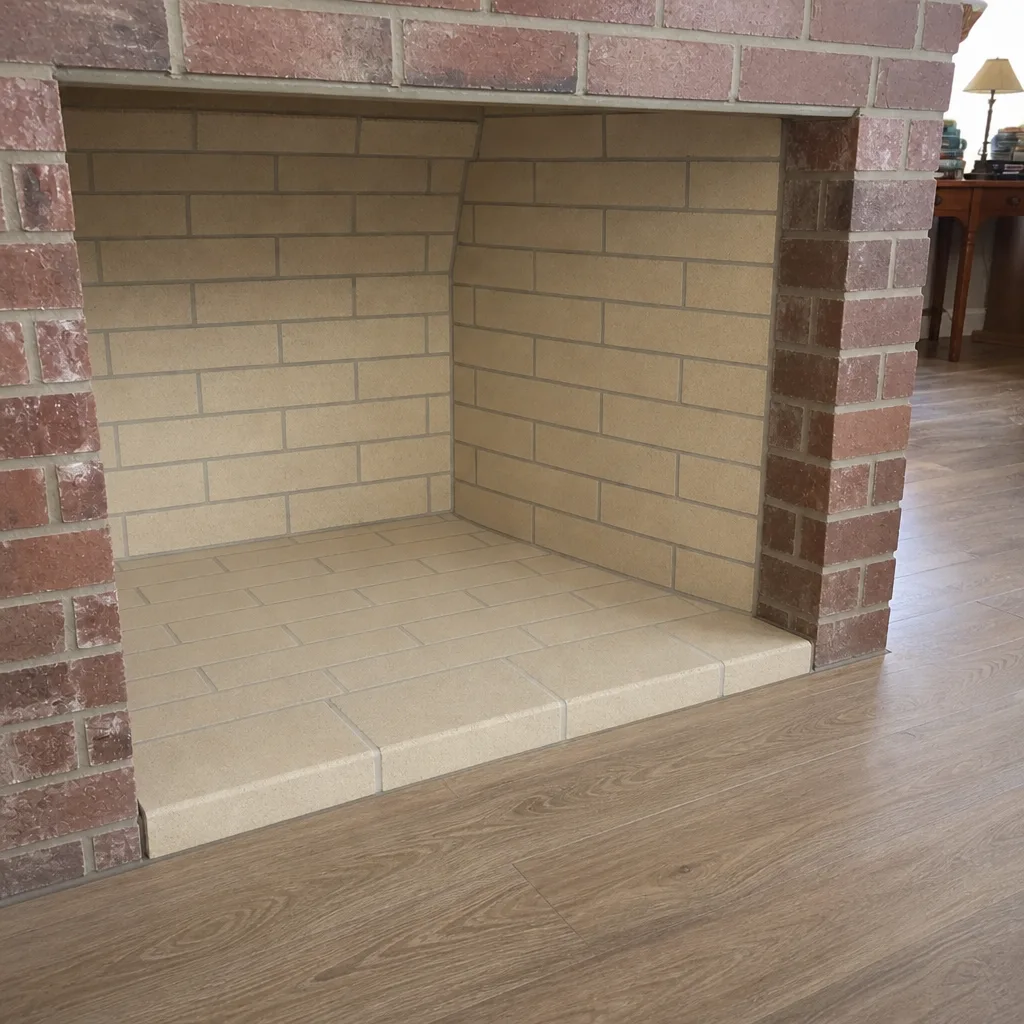
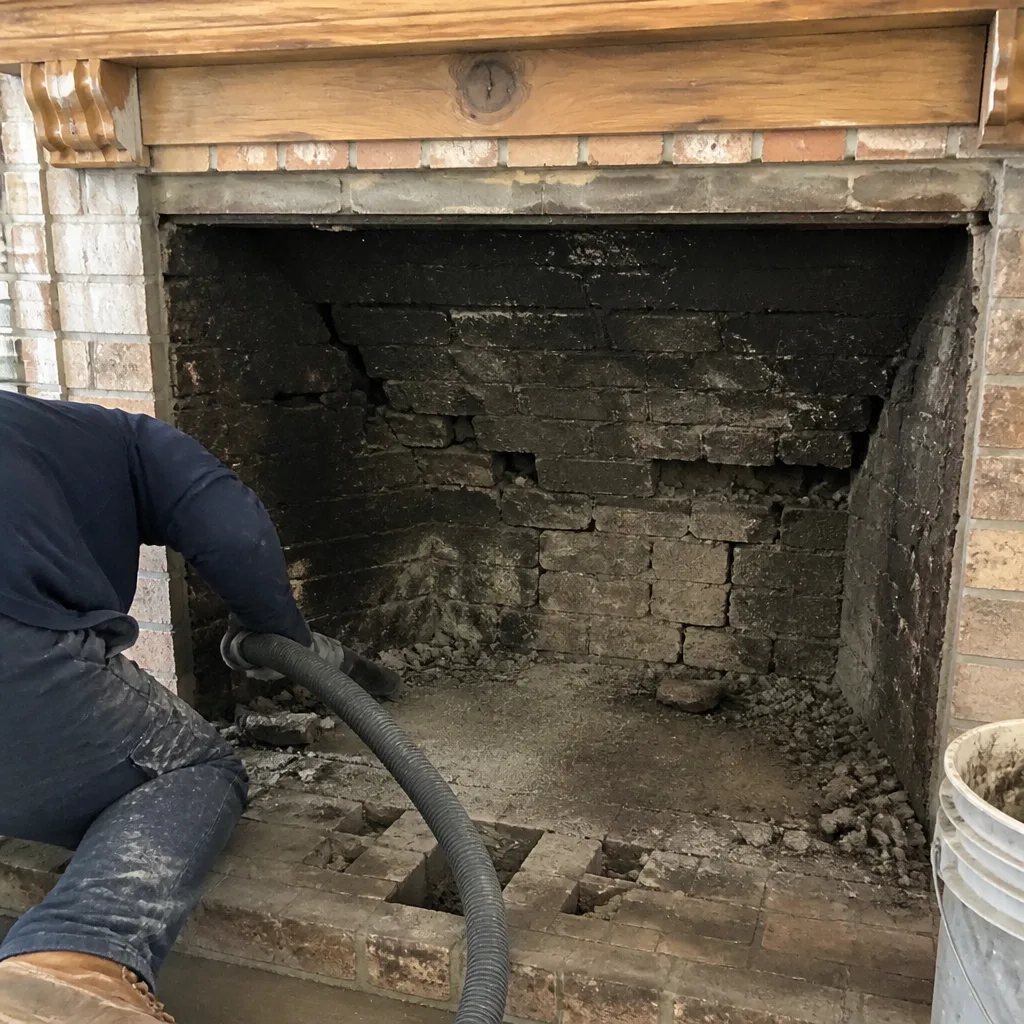
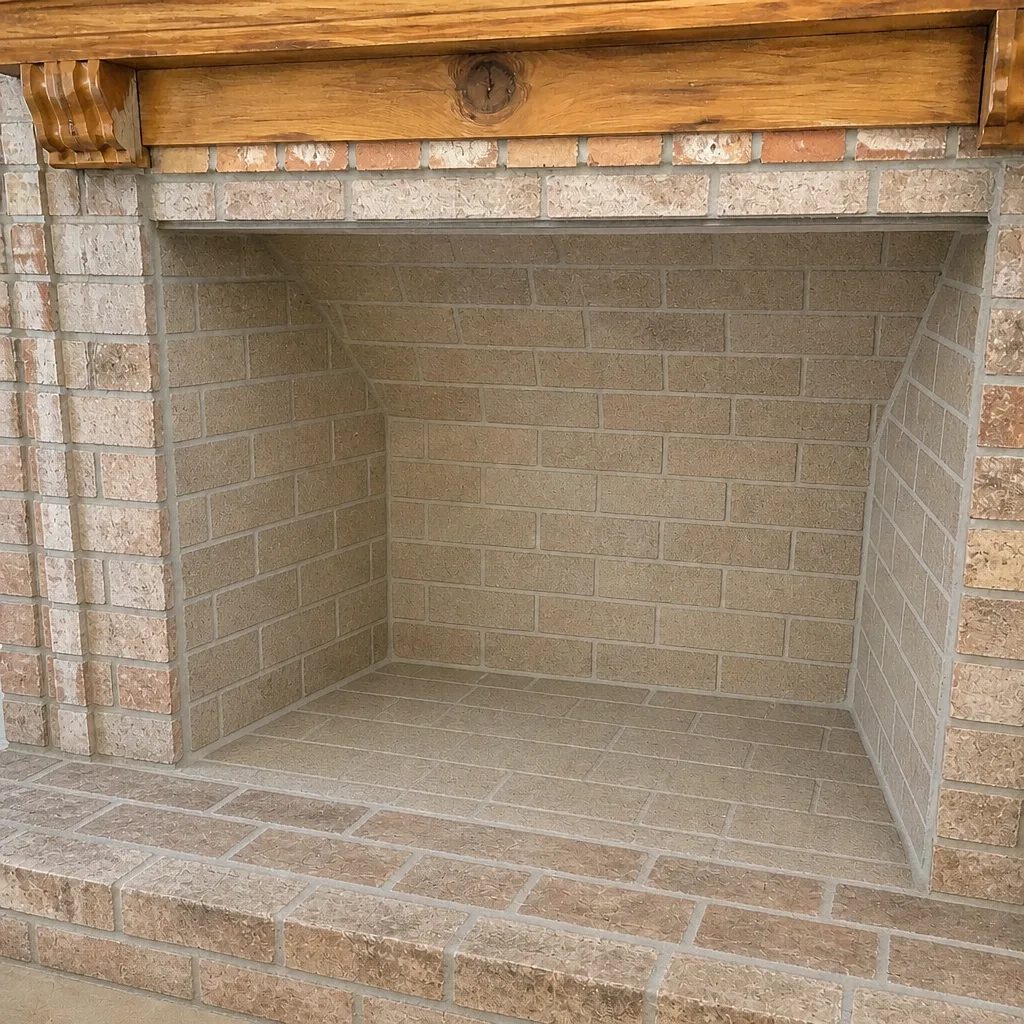
See the difference
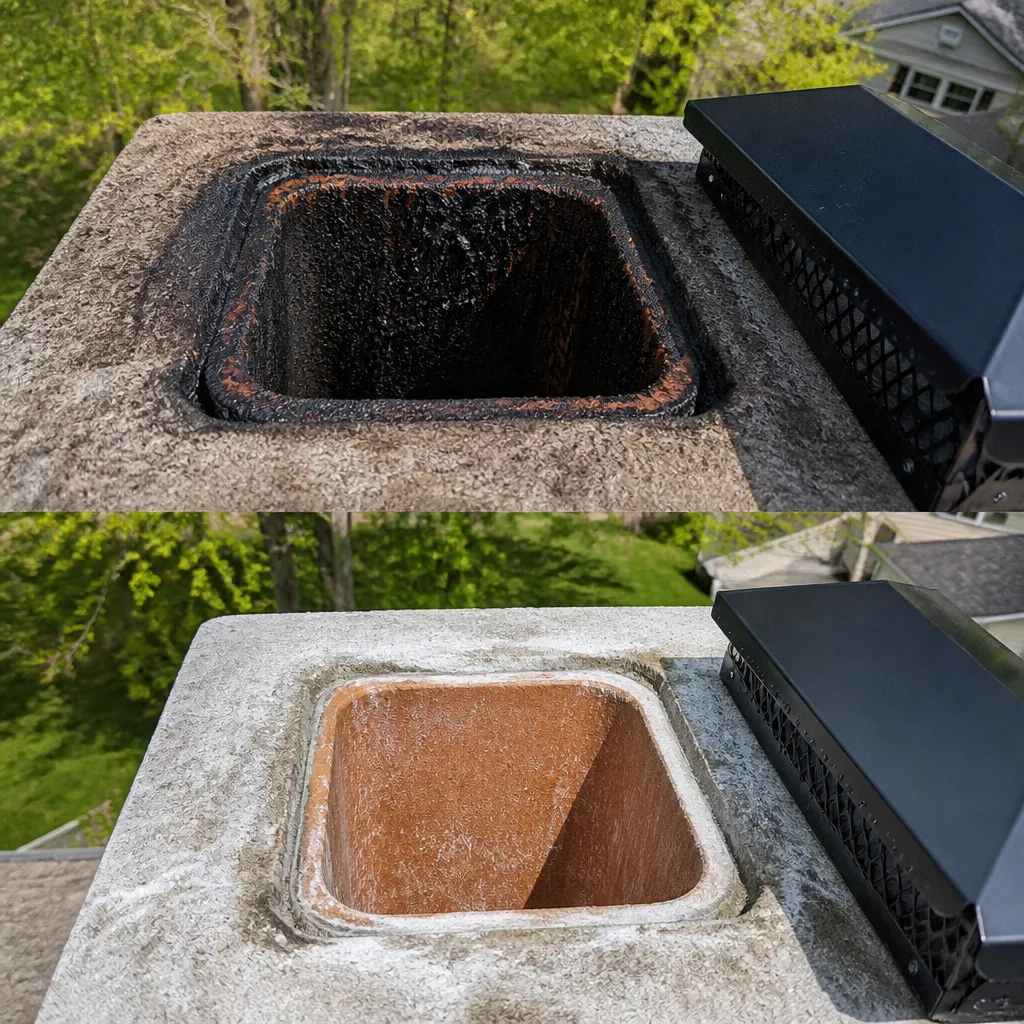
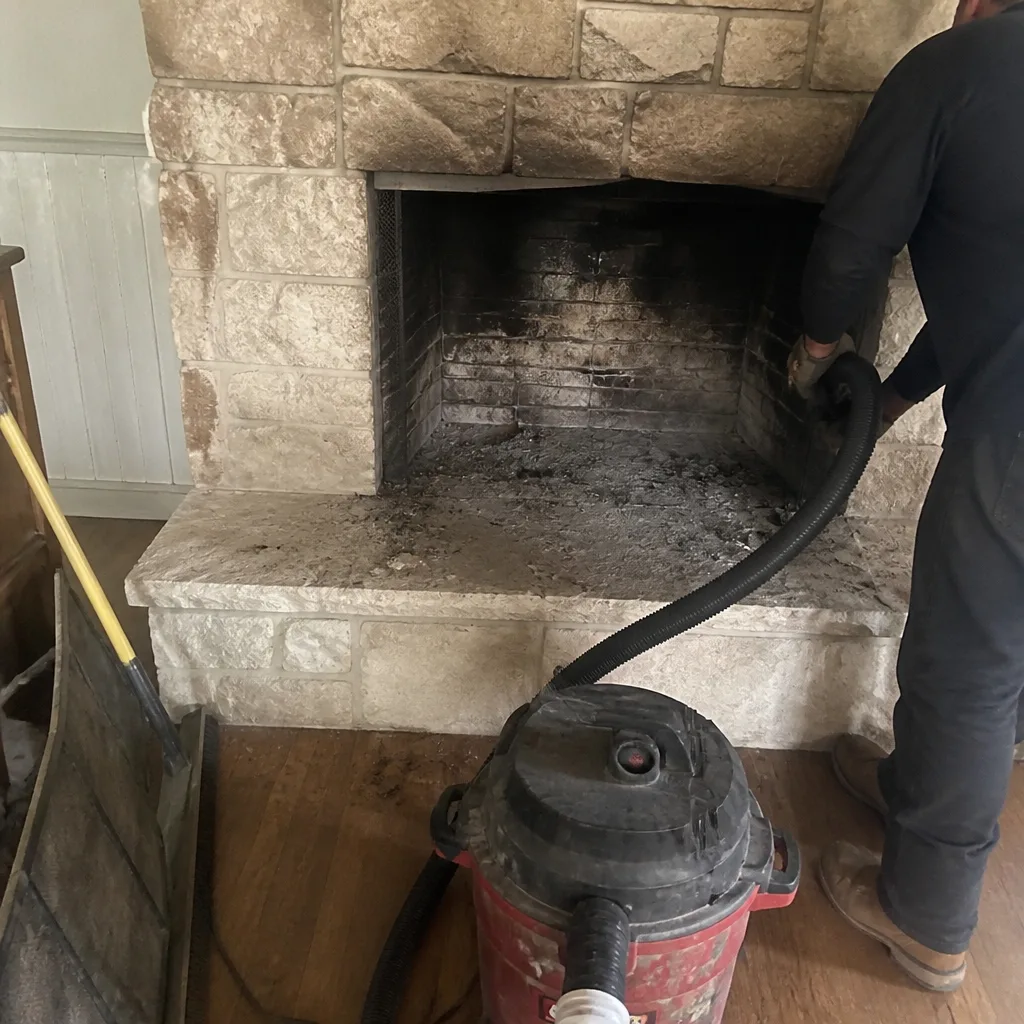 Before
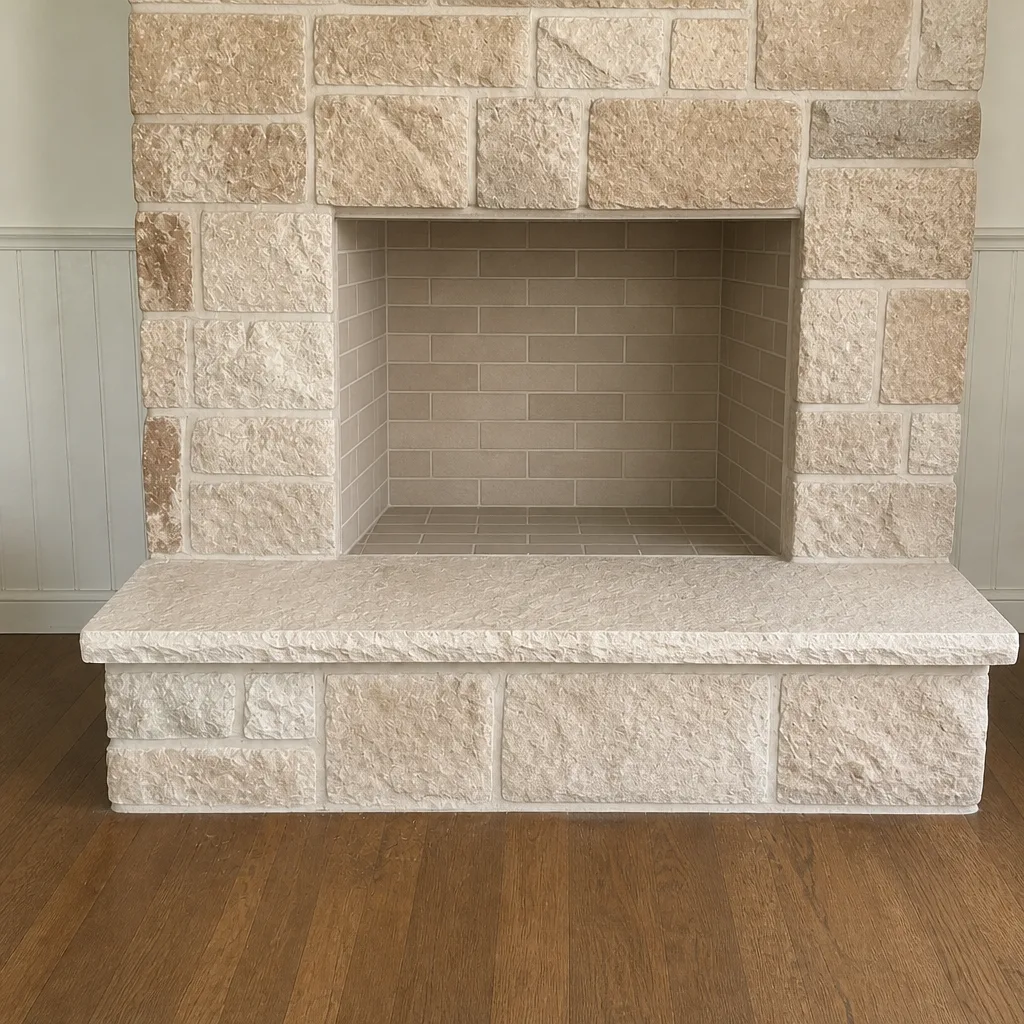 After
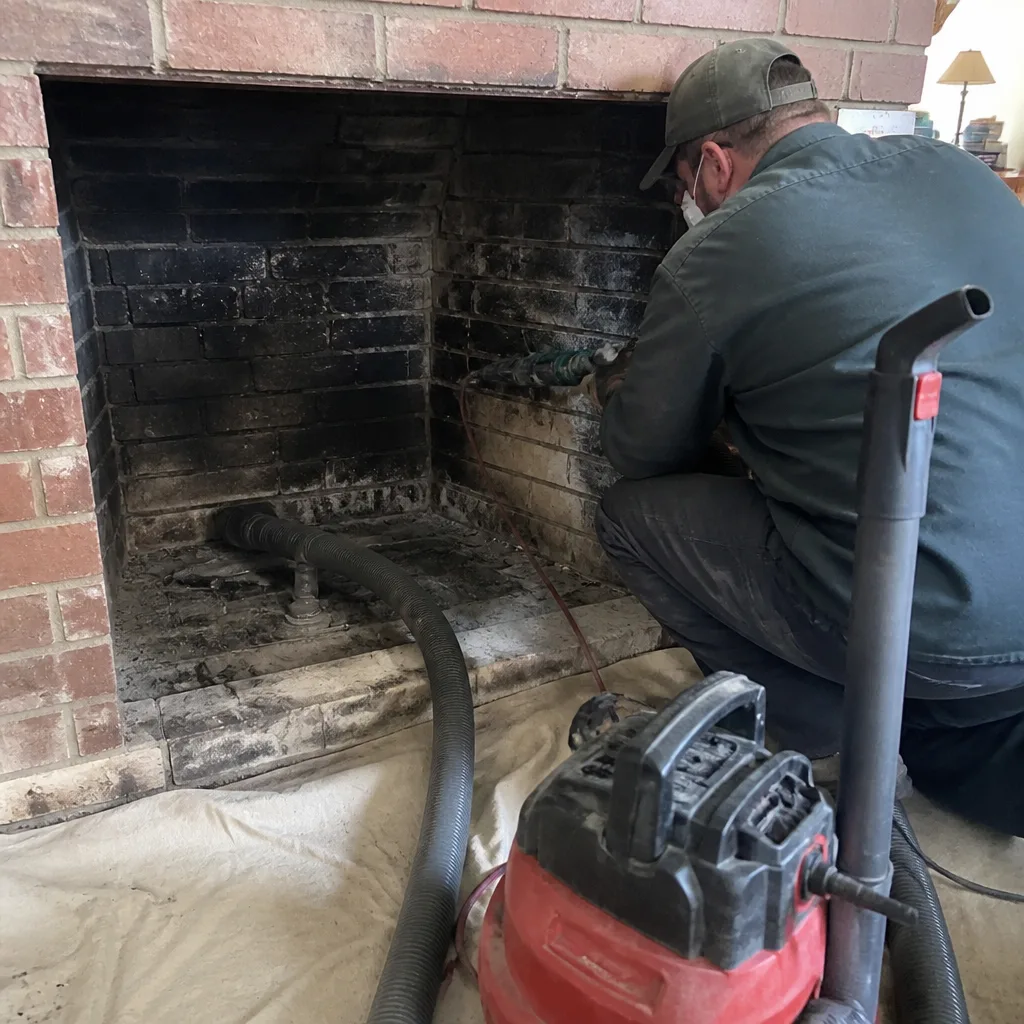 Before
 After
 Before
 After
When to Call a Professional
Call a professional when you don’t know what stage the creosote is in, when you’re considering a liner or a smoke chamber repair, when a cap has come loose, or when you’ve been told by a retailer that a product will “fix” your chimney. Fire safety in a wood-burning chimney is worth verified work, and the products we’ve covered here only perform to their rating when they’re installed by a trained technician. Our technicians have up to experience. Chimney Sweep Abilene offers free estimates in Abilene. Call (888) 359-2615. We answer 24/7. Fast dispatch from 7am to 7pm, Sunday through Friday. The estimate is free and the price is set per job by the written estimate. Nothing is recommended without camera evidence you can see for yourself, and we’ll tell you when work can safely wait.
Frequently Asked Questions
A creosote remover is a chemical treatment aimed at loosening a specific stage of creosote so it brushes away more thoroughly. A chimney sweep is the physical removal of soot and creosote with brushes and tools. A remover doesn’t replace a sweep; it can supplement one. In practice, the sweep is what removes the buildup, and the remover helps the brush do its job on flaky Stage 1 deposits. For one exact quote, call (888) 359-2615 – estimates are free.
Yes, a flue liner should carry a UL listing for the fuel type and appliance it serves. You’ll find the listing number in the product documentation, and it’s reasonable to ask your contractor to show it before work begins. An unlisted liner creates both a performance gap and an insurance exposure. If you’re unsure what’s in your flue, a camera inspection shows the condition and the listing status. Call (888) 359-2615 for a free estimate.
Stainless steel and copper hold up better than galvanized steel in Abilene’s UV and wind exposure. Galvanized caps break down faster because their coating degrades under sun and repeated weather cycles, while stainless and copper stay intact over a longer horizon. For a ten-year view, stainless is usually the smarter buy, and copper is the top option when appearance matters. Call (888) 359-2615 for an exact quote on a properly fitted cap.
HeatShield is a ceramic resurfacing system that smooths and seals the interior of the smoke chamber and flue. Repointing repairs the mortar joints between bricks, but it leaves the corbelled brick interior rough. The smooth sealed surface from HeatShield reduces creosote accumulation and improves draft. Repointing is a joint repair; HeatShield is a surface repair. Call (888) 359-2615 to discuss which fits your chimney – estimates are free.
You can buy some products at retail, but applying them yourself usually doesn’t get you the performance the product was rated for. Chimney products are tested as installed systems, and the installation method determines whether the rating holds. For liners, coatings, and smoke chamber repairs, that’s a job for a trained technician. Call (888) 359-2615 for a free estimate and a camera inspection.
An annual inspection is the standard recommendation for a wood-burning chimney in use, and it’s the interval most industry guidance and insurance carriers assume. A home that’s new to you should have an inspection before the first fire, regardless of what the seller said. A camera inspection shows what a visual check from the firebox can’t. Call (888) 359-2615 for a free estimate – we’ll tell you what we see and whether it can wait.
The Bottom Line
Brand reputation is a weak signal on its own. What matters is whether a product is designed for the job you’re facing, whether it carries the right listing, and whether it’s installed the way the manufacturer tested it. That means Stage 1 creosote needs a Stage 1 treatment, Stage 2 glaze needs professional mechanical removal, liners need a UL listing, caps need a metal matched to Abilene’s sun and wind, and smoke chambers need resurfacing when repointing won’t do the job. None of those choices can be made from a shelf. They require knowing what’s actually in the flue, and that starts with a camera inspection.
If you’re in Abilene and trying to sort out what your chimney actually needs, we’re the specialist to call. We handle the sweep, the inspection, and the repair in one place, using professional-tier materials from DuraFlex, HeatShield, Gelco, Olympia Chimney, Famco, and Copperfield. Nothing is recommended without camera evidence you can see for yourself, and we’ll say plainly when work can safely wait. Call (888) 359-2615 for a free estimate. We answer 24/7. Fast dispatch from 7am to 7pm, Sunday through Friday. You can also learn more about Chimney Sweep Abilene and what we do.
Written by the team at Chimney Sweep Abilene.