
Last updated November 15, 2026
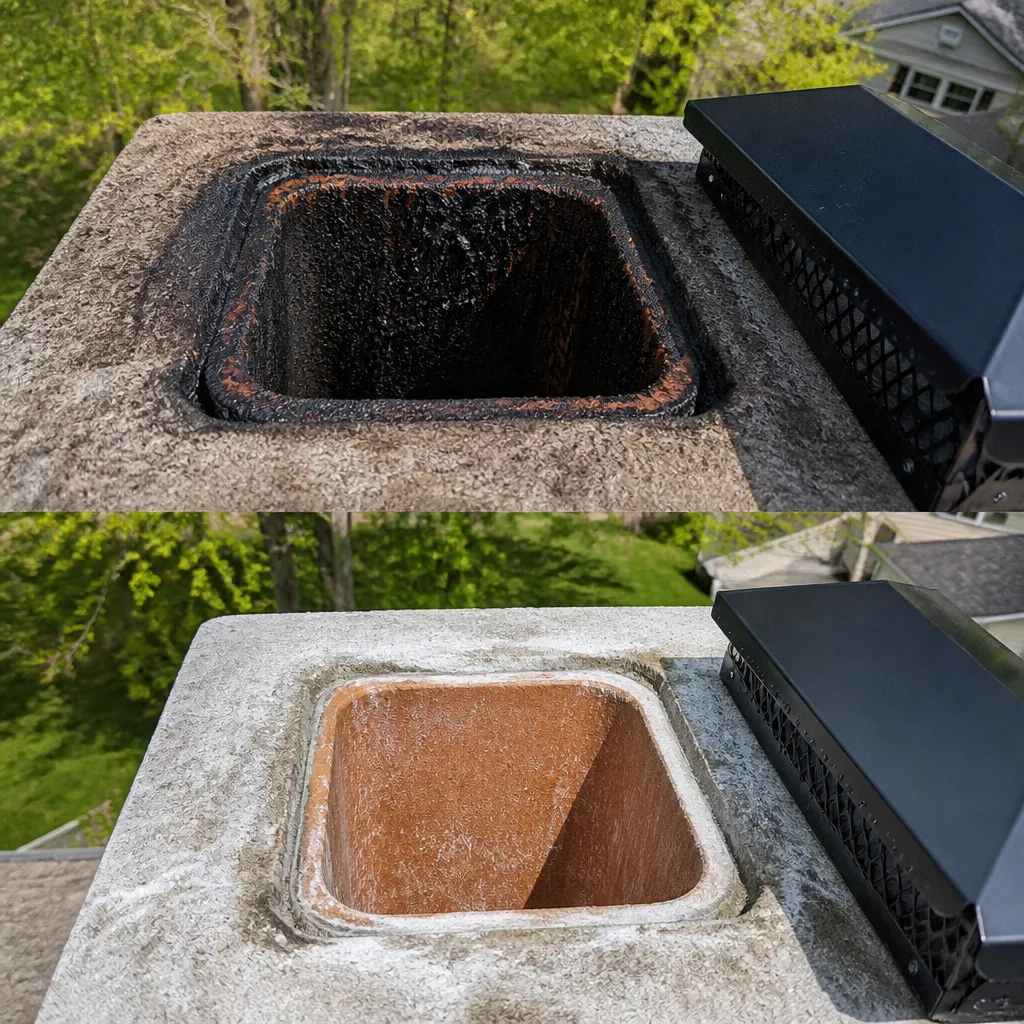 Sweep & inspection
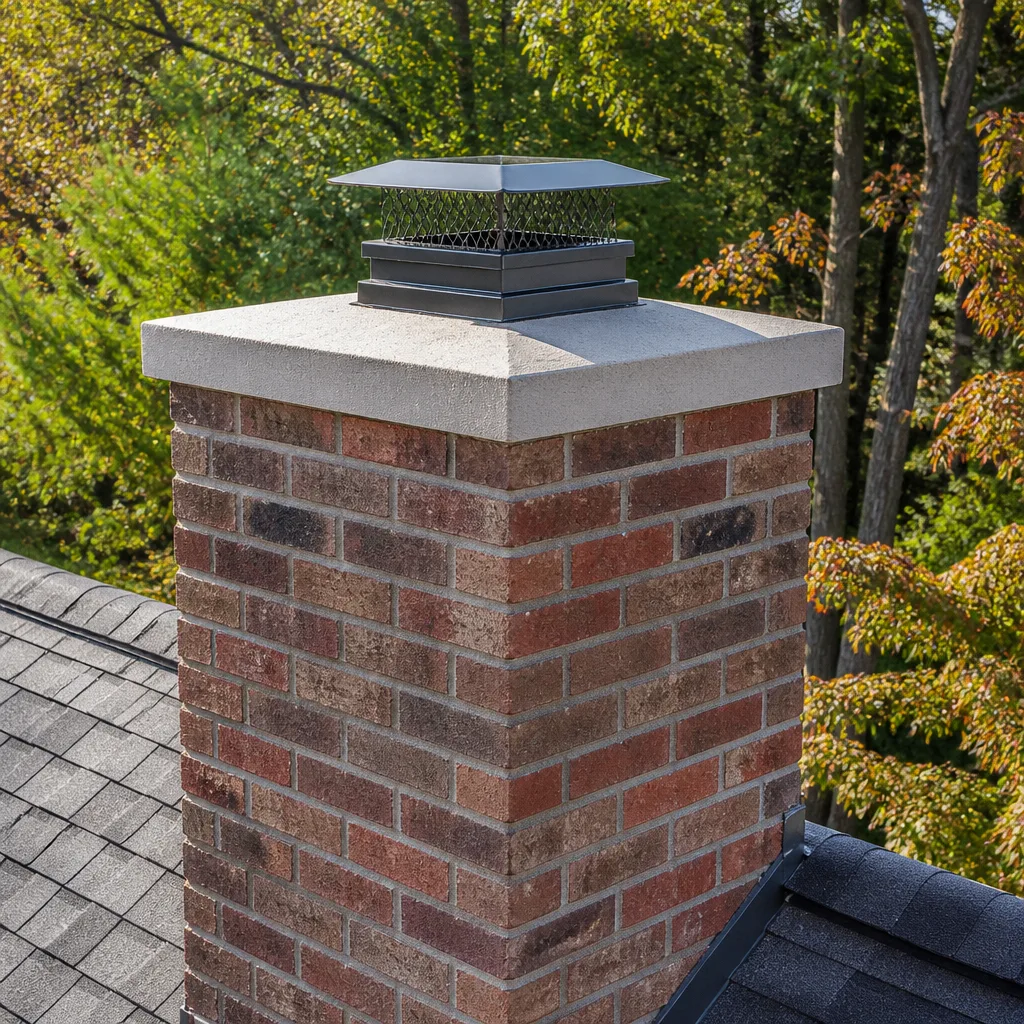 Caps & crowns
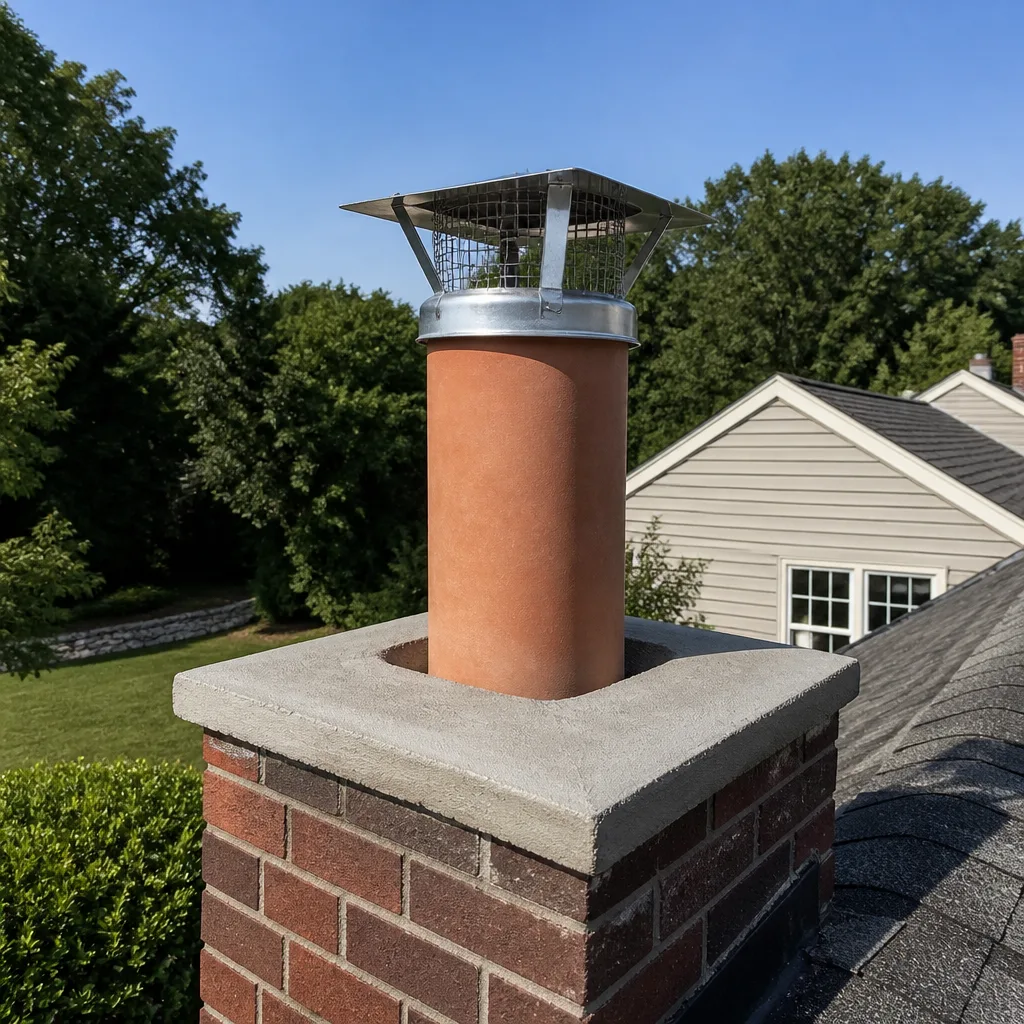 Flue relining
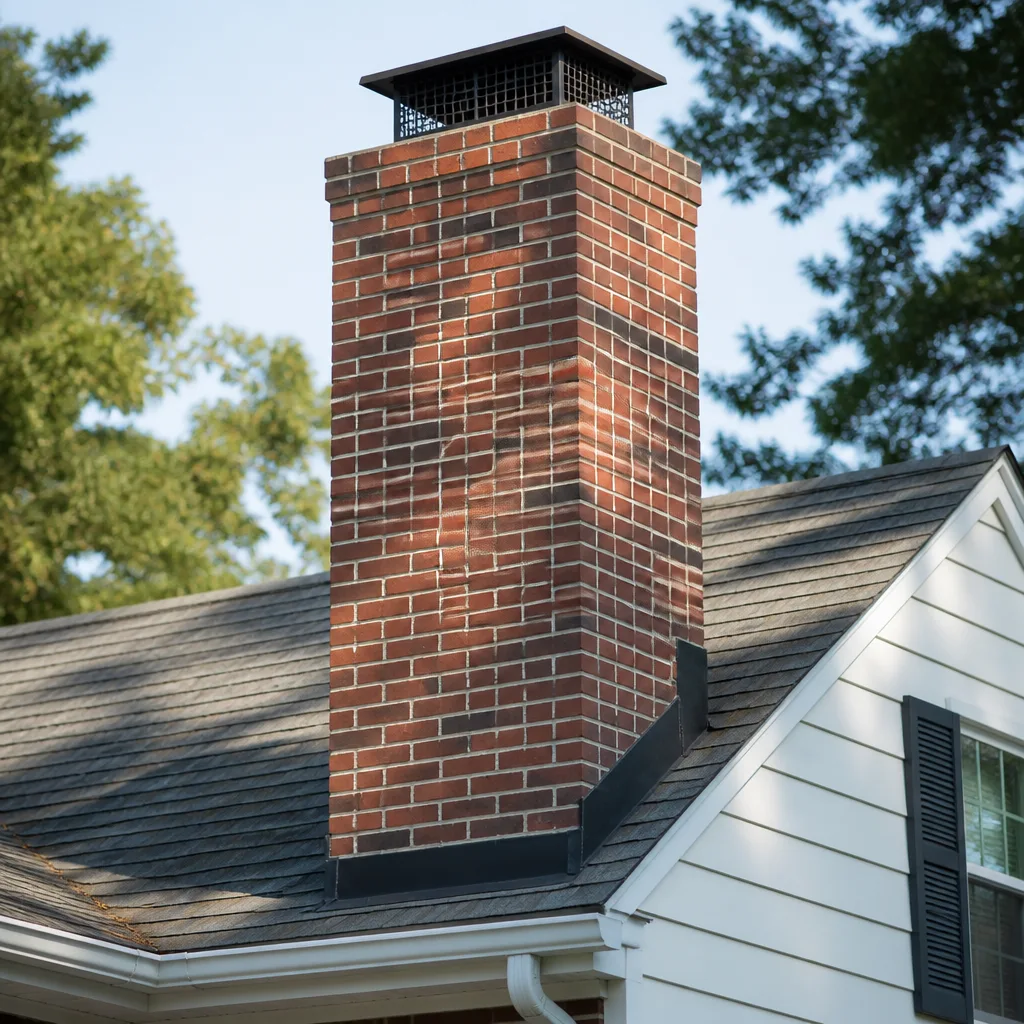 Masonry repair
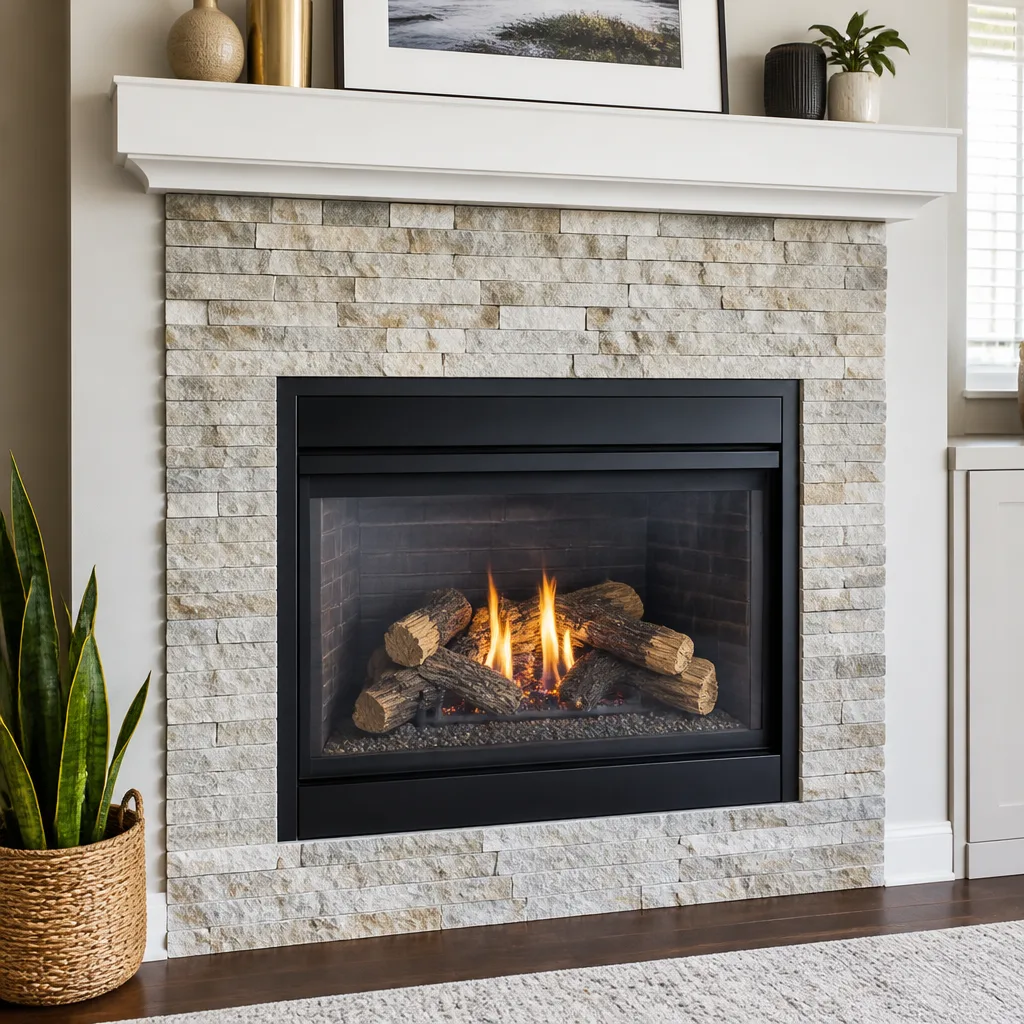 Gas fireplace service
Level 1 sweep and inspection to the NFPA 211 annual standard - flue, crown, cap, and flashing checked and photographed
Chimney sweep logs do not sweep chimneys. They loosen some creosote - which then falls where a brush and vacuum still have to collect it.
How to Hire a Chimney Cleaning Contractor in Abilene: A Step-by-Step Guide
There’s no Texas state license required to call yourself a chimney sweep. That means anyone with a shop vac and a brush set can show up at your door and hand you an invoice. The market around Abilene mixes CSIA-certified specialists with general handymen who list chimney cleaning as one of thirty services on their truck, and the difference only becomes obvious after something goes wrong. A cheap sweep who finds a cracked flue but can’t repair it leaves you calling someone else anyway. Knowing what to ask, and what credentials actually mean, is the only protection a homeowner has before the work starts. This guide walks you through the vetting process step by step.
Quick Answer
Hire a chimney contractor in Abilene by verifying CSIA certification, confirming the company handles sweep, inspection, and structural repair in one scope, and insisting on a written inspection report with photo documentation before any work is authorized. Ask what insurance covers fire and structural damage, not just general liability, and read the quote line by line to confirm what’s separated and what’s bundled. A contractor who can’t answer these questions before the appointment isn’t the one you want on your roof.
Styles & brands we work with
- Sweep & inspection
- Caps & crowns
- Flue relining
- Masonry repair
- Gas fireplace service
Table of Contents
- Why Hiring a Chimney Contractor in Abilene Is Different
- What CSIA Certification Actually Tests For
- The Five Questions That Reveal Sweep-Only vs. Full-Service
- What a Written Inspection Report Should Contain
- What Insurance Coverage a Chimney Contractor Should Carry
- How to Read a Chimney Quote Line by Line
- How Abilene’s Climate and Housing Stock Affect Chimney Work
- The Step-by-Step Hiring Process
Why Hiring a Chimney Contractor in Abilene Is Different
Abilene homeowners face a market that doesn’t sort itself neatly. On one side are dedicated chimney specialists who work with professional-grade materials every day. On the other are general handymen and sweep-only crews who can clean a flue but stop short of structural repair, liner work, or the kind of documented inspection that makes a finding actionable. The gap doesn’t show up until there’s a problem.
Most of the housing stock here runs older masonry chimneys alongside newer construction with factory-built fireplaces and gas inserts. Those two systems need different expertise. A sweep who only handles one type may not catch what’s happening in the other. And because Abilene sits in a region where winters are mild, homeowners sometimes assume a chimney needs less attention than it does. Mild winters don’t eliminate creosote buildup, and they don’t stop a masonry crown from cracking.
The stakes are practical. A sweep without an inspection is a guess. A sweep paired with a documented inspection and a company that can also perform the repair means no gap between finding a problem and fixing it. When you contract through a business like Chimney Sweep Abilene, the expectation is that one company handles the sweep, the inspection, and the fix. That’s the standard to hold every contractor to, whether or not you call us.
Here’s the key point: the vetting process isn’t about finding the cheapest quote. It’s about confirming you’re hiring someone whose scope covers what your chimney actually needs.
What CSIA Certification Actually Tests For
CSIA certification is the credential issued by the Chimney Safety Institute of America, and it’s the most reliable single filter available to an Abilene homeowner. What it tests is narrower and more useful than general contractor licensing. CSIA certification covers the code and standards that govern chimney and venting systems, the science of combustion and creosote formation, inspection categories and what each one is supposed to document, and the safety protocols for working on and around chimney systems.
Why does it matter more than a general contractor license for this trade? General contractor licensing in Texas doesn’t test chimney-specific knowledge. A licensed GC has demonstrated competency in construction project management, not in diagnosing a blocked flue or reading a liner for heat damage. CSIA certification specifically tests whether a technician understands what can go wrong with a chimney and how to identify it.
What certification doesn’t cover: structural masonry repair, liner installation technique, or product-specific knowledge. Those come from manufacturer training and field experience. That’s why the strongest contractors combine CSIA certification with access to professional-tier product lines. When a company works with brands like DuraFlex and Olympia Chimney, it’s signaling that it operates at the level where those manufacturers will sell to it. DuraFlex flexible liner systems, for example, allow proper relining of chimneys with offsets or non-standard flue configurations that rigid liner companies can’t service.
Three things CSIA certification confirms
- The technician has passed a written exam covering chimney and venting codes, inspection standards, and combustion science.
- The technician has current knowledge of industry standards, maintained through continuing education.
- The company has committed to a code of conduct that includes documenting findings and not performing work outside the scope it can verify.
When you’re screening contractors in Abilene, ask directly: “Is your technician CSIA-certified, and can you show me the credential?” The answer should be an immediate yes or no. A hedge is a no.
The Five Questions That Reveal Sweep-Only vs. Full-Service
The single biggest problem with hiring a sweep-only contractor is that a sweep may find a problem it cannot fix. You end up paying for two visits, two diagnostic fees, and a coordination burden you didn’t expect. These five questions separate the full-service contractors from the sweep-and-go operations before anyone sets foot on your roof.
1. “Do you perform structural chimney repair, or do you refer it out?”
A full-service contractor handles masonry repair, crown repair, and liner work. A sweep-only contractor hands you a report and a referral. Ask for the specific repairs the company performs in-house, not what it “can coordinate.”
2. “What liner systems do you install, and can you handle an offset flue?”
A contractor who only works with rigid liners will turn down a chimney with offsets or non-standard configurations. A contractor with DuraFlex flexible liner systems on hand can reline the chimneys that rigid liner companies can’t service. If the answer is “we refer offsets to another company,” you’ve found a scope gap.
3. “Does your inspection include photos, and do I get a written report before I leave?”
Verbal-only findings are a red flag. A documented inspection with photos gives you something to compare against next year and something to verify yourself. If the contractor says “we’ll tell you what we find,” ask why it isn’t written down.
4. “Do you offer ceramic resurfacing for liner repair?”
HeatShield ceramic resurfacing is a specialized repair that extends liner life without the cost of full replacement. Many sweep-only companies can’t provide it because they don’t carry the materials or the training. If a technician tells you your only option is a full reline, ask whether resurfacing is viable first.
5. “What caps and venting components do you fit?”
A properly fitted cap matters for water exclusion and animal exclusion, especially in a region with wind-driven dust and occasional heavy rain. Companies working with Famco and Gelco product lines carry the components to fit caps properly rather than improvising with a generic cover.
If a contractor answers all five with specificity, you’re dealing with a full-service operation. If any answer is vague or redirected, keep looking. In Abilene, the market contains both types, and the questions are how you tell them apart.
What a Written Inspection Report Should Contain
A written inspection report is the document that makes every finding verifiable and every repair defensible. Without it, you’re relying on someone else’s word about what’s inside a flue you can’t see. The report should be handed to you before the technician leaves, not mailed days later.
A proper report contains six parts:
- The inspection level performed. Chimney inspections come in three levels. A Level 1 is a visual check of accessible components. A Level 2 includes a video scan of the flue interior and is required when a system changes or a property changes hands. A Level 3 involves accessing concealed areas. The report should say which level was done and why.
- Photo documentation of every finding. Not stock images. Photos of your specific flue, firebox, damper, crown, cap, and any visible masonry.
- Clear descriptions in plain language. What was found, where it is, and what condition it’s in. “Cracked flue tile in the upper third” beats “flue issues noted.”
- Recommended actions separated by urgency. Work that should be done before the next fire, work that can be scheduled, and work that can safely wait. A report that flags everything as urgent is a sales document, not an inspection report.
- Photo evidence of any recommended repair. Nothing should be recommended without a photo you can look at yourself. If a technician says you need thousands of dollars of liner work, the report should show you exactly why.
- The technician’s name and credential. The report should identify who performed the inspection and what certification that technician holds.
Verbal-only findings are a red flag because they can’t be checked. They can’t be compared against a second opinion. They can’t be shown to an insurance adjuster if there’s ever a claim. When we perform an inspection in Abilene, a camera inspection and photo report are included in the sweep, and the report is something you keep. A contractor who resists putting findings in writing is telling you something about how the work will go.
What Insurance Coverage a Chimney Contractor Should Carry
Chimney work carries risks that general liability alone doesn’t fully address. A technician on your roof can fall. A dropped component can damage your roof or landscaping. And a botched repair can contribute to a fire or structural issue months later. The insurance question you should ask is specific: “What coverage do you carry for fire and structural damage caused by your work?”
The policies to confirm:
- General liability insurance. Covers third-party property damage and bodily injury. Confirm the policy is current and ask for a certificate of insurance. Any established contractor carries this and will provide it without hesitation.
- Workers’ compensation. Covers injuries to the technician on your property. Without it, an injury on your roof could become your liability. Confirm it covers the people who actually show up.
- Coverage specific to fire and structural damage caused by chimney work. This is the coverage most homeowners forget to ask about and the one that matters most. A general liability policy should be written to include property damage caused by the work performed. If a liner install is done improperly and a fire follows, the contractor’s coverage should respond. Ask how the policy handles damage caused by a completed repair, not just damage done during the visit.
Insured and bonded should be more than a phrase on a website. Ask for the certificate. A legitimate contractor won’t be offended by the question; a contractor who resists is telling you something. In our experience, the companies that work with professional-tier brands like HeatShield and Olympia Chimney carry the coverage to match, because those product lines require it. That’s a useful secondary signal when you’re comparing quotes.
How to Read a Chimney Quote Line by Line
A chimney quote is either a set of separated line items you can evaluate individually or a single bundled number you have to trust. The first is a quote. The second is a sales tactic. Before you sign anything, confirm which kind of document you’re holding.
Line items that should always be separated:
- Sweep charge. The base cleaning service, priced on its own.
- Inspection charge, if applicable. Some companies include basic inspection in the sweep and charge separately for Level 2 video inspection. The quote should say which applies.
- Recommended repairs. Each repair listed as its own line, with a price and a reference to the photo in the inspection report. No lump sums attaching “repairs” as a category.
- Materials on repair line items. A liner install should specify the liner system being used, not just “liner.” If the contractor works with DuraFlex or a similar professional-grade system, it should be named.
- Labor separated from materials on repair work. Small transparency point, but a useful one when comparing quotes from different companies.
Line items that can reasonably be bundled: sweep and basic visual inspection, often sold as a single service. A cap fitted during the same visit as a sweep is a defensible bundle if the cap price is still shown.
The written estimate sets the final price. Any quote that changes after the work begins, without a documented finding that justified the change, is a scope expansion you didn’t authorize. Ask what the change is, and see the photo evidence before approving it. The estimate we provide is free, and the price is set per job by the written estimate, so there shouldn’t be a surprise on the invoice.
How to compare three quotes
- Place them side by side and circle every line item that appears on one but not the others. That’s your first round of questions.
- For any repair line, find the corresponding photo in the inspection report. If the quote doesn’t reference a photo, ask for it.
- Confirm whether the sweep price includes an inspection, and if so, at what level.
- Ask each contractor to explain what was left out of the quote and why. A contractor who can clearly answer that has thought about your chimney.
When you’re ready to schedule the sweep, the chimney sweep we perform includes the inspection, and the cost is set per job by the written estimate, not per hour.
How Abilene’s Climate and Housing Stock Affect Chimney Work
Abilene’s mild winters are a mixed blessing for chimney systems. The cold season is short, which means fires burn fewer times per year than in colder climates, and creosote buildup moves more slowly. But the region’s weather still drives chimney wear in ways that surprise homeowners: wind-driven dust and grit accumulate in caps and flue tops, occasional hard rain can expose cracks in crowns and masonry joints, and smoke that cools before it exits the flue leaves more residue on the liner interior.
The bigger variable here is the housing stock. Abilene’s older masonry chimneys and its newer construction with factory-built fireplaces and gas inserts need different attention. Older masonry chimneys often have degraded mortar joints, hairline cracks in flue tiles, and crowns that have seen enough weather cycles to open up. Newer gas inserts and factory-built systems need the caps, venting components, and factory-compliant parts that companies working with brands like Famco and Copperfield carry as standard. A sweep who only handles one type of chimney may or may not catch what’s happening in the other.
Our technicians have up to experience working both. That’s not a reason to hire us; it’s a reason to ask any contractor what mix of chimney types they work on regularly. In Abilene, where both older masonry and newer factory-built systems are common, a contractor who only services one type is a contractor with a blind spot.
Housing age and neighborhood matter too. Chimneys in Abilene‘s established neighborhoods tend to have longer service histories and more accumulated wear. Newer homes tend to have more factory-built components that need to be serviced to the original manufacturer’s specification. Ask a prospective sweep what they see more of in the part of town you’re in, and whether they’re set up for both.
The Step-by-Step Hiring Process
Here’s the process, in the order it should happen. Work through it before anyone sets foot on your roof.
- Ask for CSIA certification first. Before discussing price, before scheduling, before anything else. The technician who shows up should hold it, and the contractor should confirm which technicians on the crew hold it. A direct answer means something. A hedge does not.
- Confirm the scope covers sweep, inspection, and repair. Ask for the repairs performed in-house. Ask about liner systems. Ask about ceramic resurfacing. The five questions in this guide are the shortcut to that conversation.
- Confirm insurance. Ask for the certificate of insurance. Ask specifically how coverage handles fire and structural damage from completed work. A contractor with nothing to hide provides the document without friction.
- Book the sweep and inspection together. Do not book a sweep without asking about the inspection level. Specify that you want a written report with photos, not verbal findings.
- Review the report before approving any repair. If a repair is recommended, look for the photo evidence. If you can’t see the finding, ask for a photo you can see. Nothing should be recommended without evidence you can verify.
- Read the quote line by line. Confirm sweep, inspection, and each repair are separated. Confirm materials are specified. Confirm the written estimate sets the final price.
- Get a second opinion if the numbers are large. Any contractor confident in their findings will welcome the second look. If the recommended work runs to the thousands of dollars, it’s reasonable to compare.
- Schedule the work. Once approved, the repair should be scheduled with a clear scope and a written estimate that hasn’t changed since you approved it. Any change after that requires a documented reason and your approval.
That’s the whole process. None of it requires technical expertise in chimney systems. It requires knowing what to ask and holding the contractor to the answers.
Common Mistakes to Avoid
- Hiring on price alone. A cheap sweep who finds a cracked flue but can’t repair it leaves you calling someone else to fix it, at which point the total cost exceeds a more complete job. In Abilene, where sweep-only and full-service contractors are both common, price is the worst single filter.
- Accepting verbal findings. A contractor who says “you’ve got a cracked liner” and hands you a quote without a photo is asking you to trust an unverified claim. Ask for photo evidence of every finding, every time.
- Confusing a sweep with an inspection. They’re different services. A sweep cleans. An inspection documents condition. A sweep without an inspection is a guess, and a contractor who treats them as interchangeable is telling you something about how they work.
- Skipping the insurance ask. General liability is not the same as coverage for fire and structural damage caused by the work. Ask for the certificate and ask specifically how the policy addresses damage from a completed repair.
- Approving a bundled quote without line items. A single lump sum hides what’s included and what isn’t. Ask for sweep, inspection, and each repair to be shown as separate line items with a written estimate.
- Assuming the first available sweep is a full-service contractor. Abilene has both sweep-only operations and full-service specialists, and the difference only shows up when a problem is found. Confirm the scope before you book.
- Ignoring the manufacturer spec on factory-built systems. Newer gas inserts and factory-built fireplaces need caps and venting components that meet the original manufacturer’s specification. A generic cap may not be code-compliant. Ask whether the contractor carries the correct components.
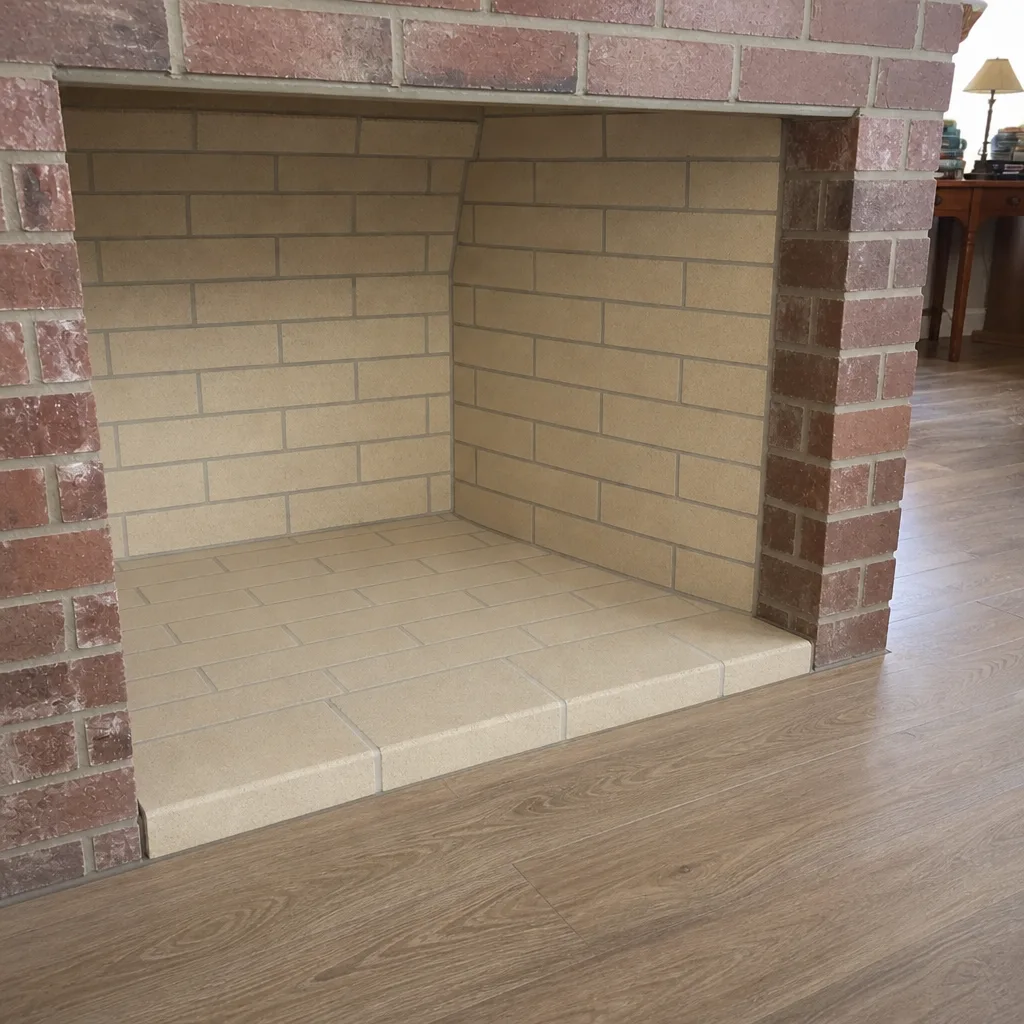
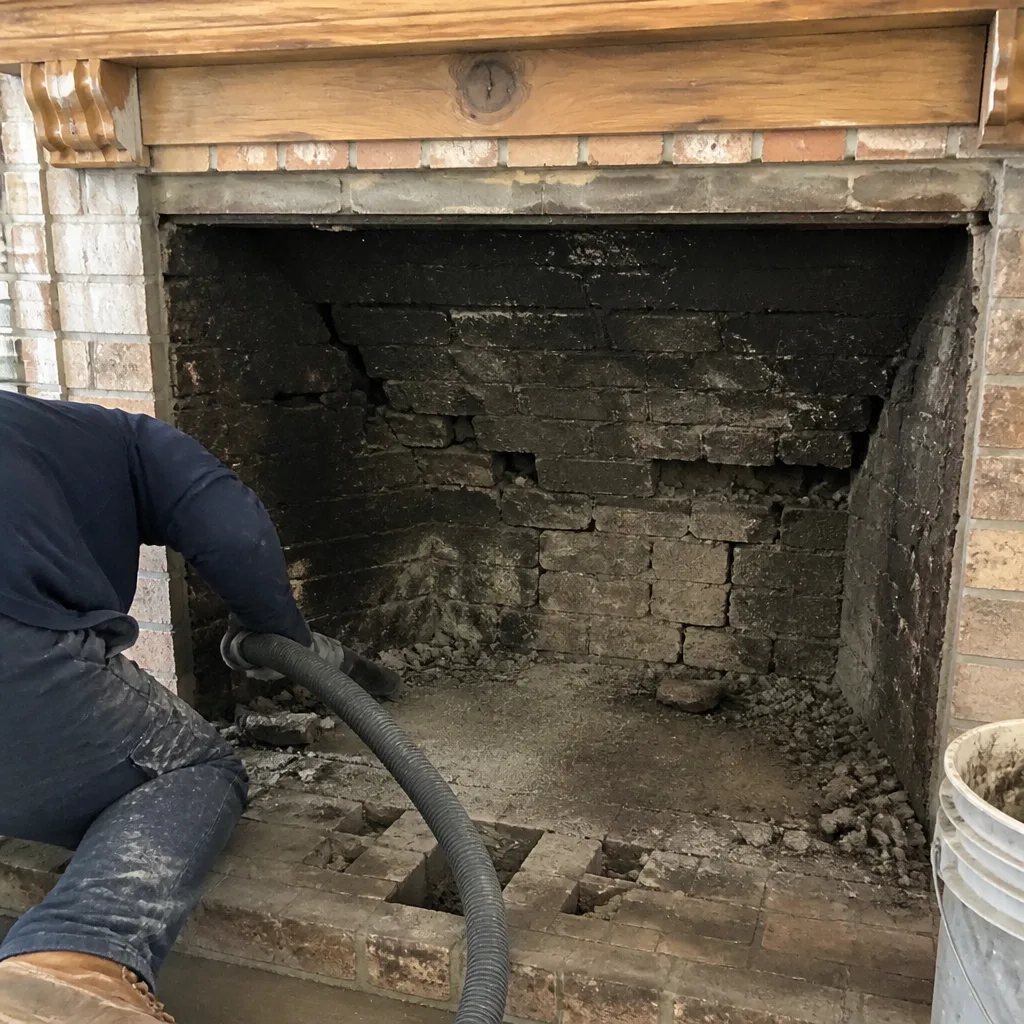
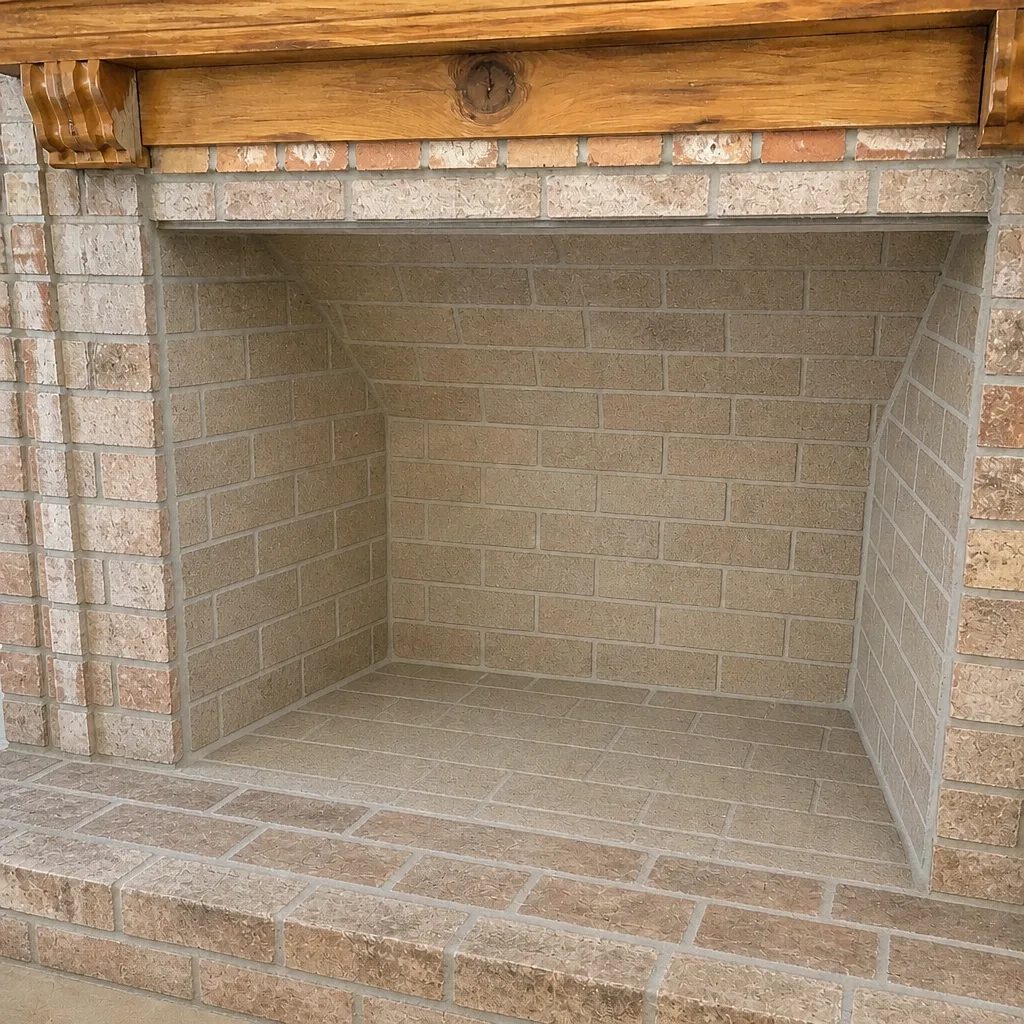
See the difference
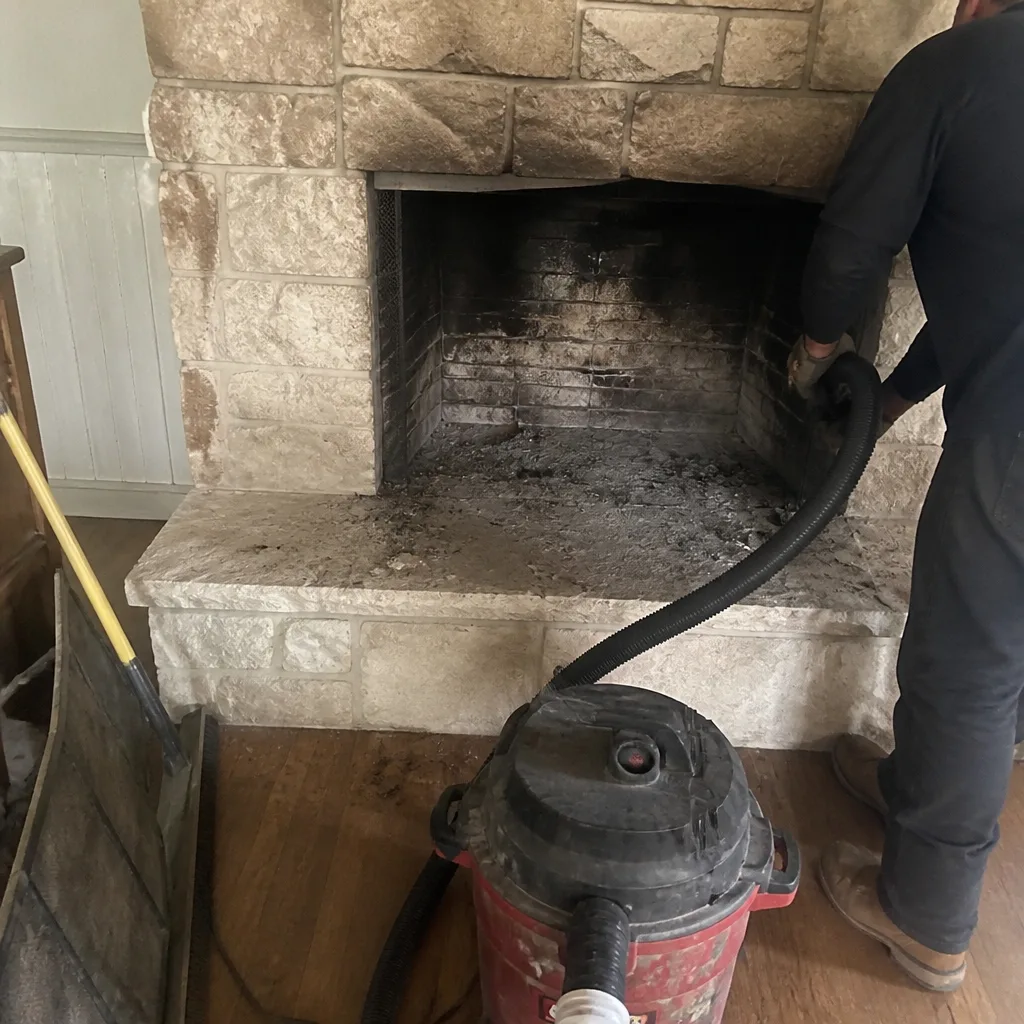 Before
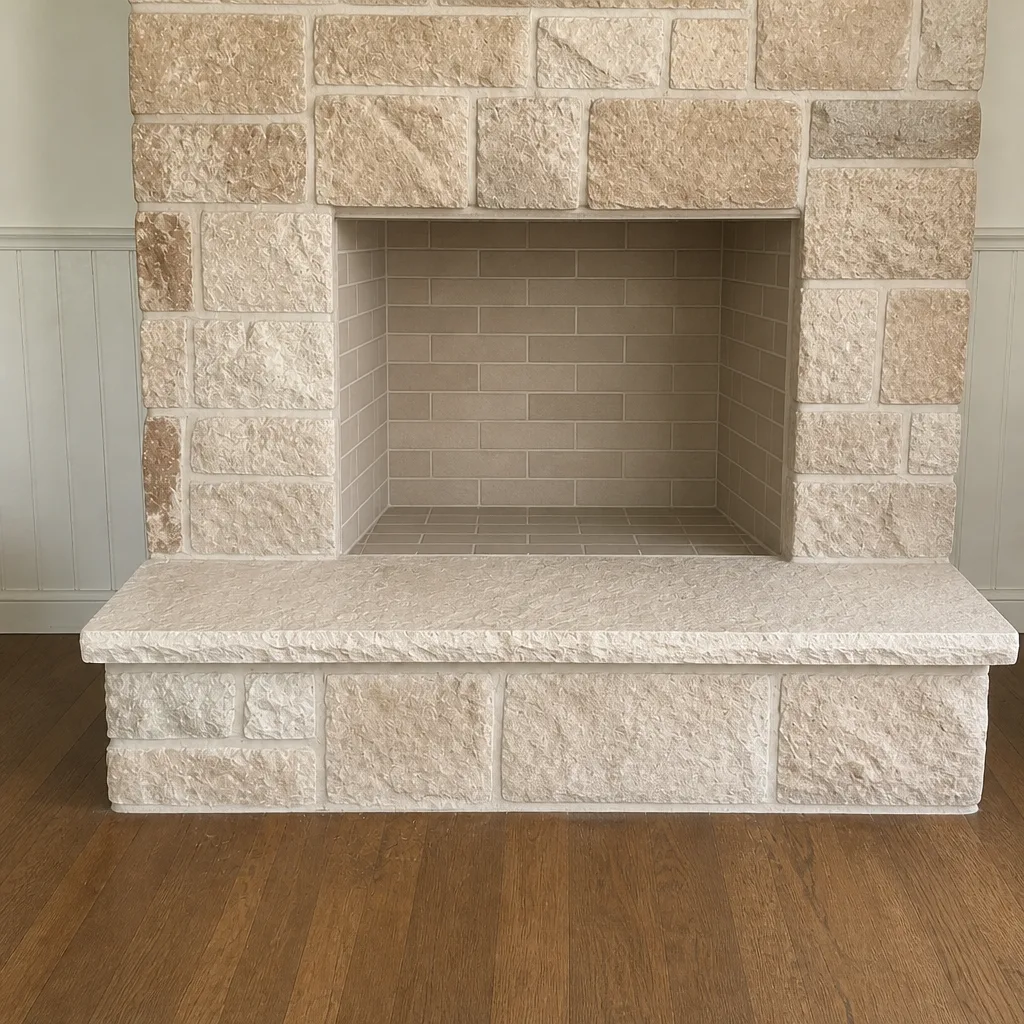 After
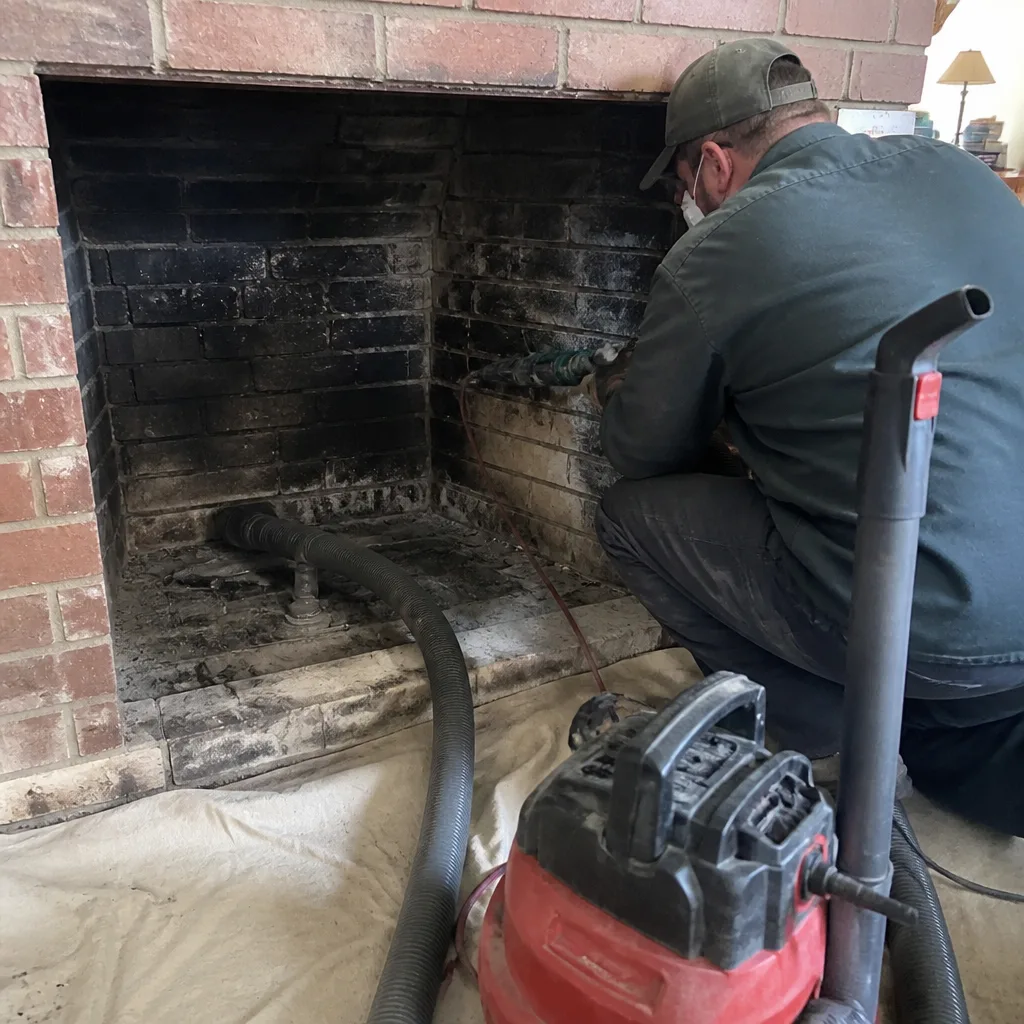 Before
 After
 Before
 After
When to Call a Professional
Some chimney work is clearly a professional call. If you’re seeing smoke back up into the room, if the firebox interior is visibly cracked, if the crown on top of the chimney is broken or spalling, or if you haven’t had a sweep in a year or more of regular burning, schedule an inspection. If you’ve moved into a new home and don’t know the chimney’s history, a Level 2 inspection with video scanning establishes a baseline. If a flue tile has cracked or a liner has heat damage, that’s repair work, not maintenance, and it needs a contractor who can perform the repair rather than refer it. If you smell creosote or smoke in the house when you’re not burning a fire, that’s worth investigating soon.
Chimney Sweep Abilene offers free estimates in Abilene. Call (888) 359-2615. We answer 24/7. Fast dispatch from 7am to 7pm, Sunday through Friday. We handle the sweep, the inspection, and the fix, and the written estimate sets the final price.
Frequently Asked Questions
No, Texas does not require a state license to call yourself a chimney sweep, so a CSIA-certified technician is not mandatory. That’s precisely why the credential matters: it’s a voluntary standard that a contractor opted into, and it tests chimney-specific knowledge that a general contractor license does not. Ask for it on every call.
Chimney sweep pricing in Abilene is set per job by the written estimate, not by the hour. The cost depends on the configuration of your chimney, whether the sweep includes an inspection, and whether any repair is needed. Call (888) 359-2615 for an exact quote; estimates are free.
A sweep cleans the flue and firebox of creosote, soot, and debris. An inspection documents the current condition of the chimney system, including any cracks, blockages, or damage, with a written report and photo evidence. They’re different services and should be booked together. A sweep without an inspection is a guess.
Ask to see photo evidence of the specific damage that justifies the reline. Nothing should be recommended without a photo you can inspect yourself. If the technician can show you a cracked or heat-damaged liner on camera, the recommendation is real. If the recommendation is verbal only, get a second opinion before you authorize the work. Some liner issues can be handled with ceramic resurfacing instead of a full reline, so ask whether that’s an option. Call (888) 359-2615 for an exact quote; estimates are free.
Once per year of regular burning is a reasonable baseline. In Abilene’s mild winters, fewer fires per year means slower creosote buildup, but it also means a chimney can go years without attention and accumulate hidden wear. If you haven’t had a sweep in over a year, schedule one along with a Level 2 inspection to establish a baseline. If a recommendation surprises you, ask for a photo you can see. Call (888) 359-2615 for an exact quote; estimates are free.
Creosote accumulates inside the flue, and that buildup is the most common contributor to chimney fires. Blockages from animal nests or debris can cause smoke to back into the house or force carbon monoxide into living spaces. When a sweep is skipped for a long enough period, the eventual fix is more expensive than the maintenance would have been. If you’re not sure when you last had one, call (888) 359-2615 for an exact quote; estimates are free.
The Bottom Line
The hiring process comes down to a few verifiable questions. CSIA certification first. Scope second, confirming the contractor handles sweep, inspection, and repair in one visit rather than handing you a referral. Insurance third, with a specific question about fire and structural damage coverage, not just general liability. Then a written inspection report with photos, and a quote line by line with the sweep, inspection, and each repair separated. When a recommendation comes, see the photo evidence before you approve it. When the numbers are large, ask whether ceramic resurfacing like HeatShield is a viable alternative to full relining. Those steps are what separate a contractor who does the work from a contractor who hands you a report and disappears.
Chimney Sweep Abilene handles the sweep, the inspection, and the fix under one scope. We work with professional-tier brands like DuraFlex and Olympia Chimney, and we use the same materials the chimney industry’s leading suppliers stock. The estimate is free, and the price is set per job by the written estimate. Nothing is recommended without camera evidence you can see for yourself, and we’ll tell you plainly when a repair can safely wait. Call (888) 359-2615 for your free estimate. We answer 24/7. Fast dispatch from 7am to 7pm, Sunday through Friday.
If you’re still comparing options, our guide to chimney repair explains what repair work actually involves so you can evaluate a quote, and if you’re ready to schedule, call us and we’ll book the sweep and inspection together.
Written by the team at Chimney Sweep Abilene.