
Last updated November 15, 2026
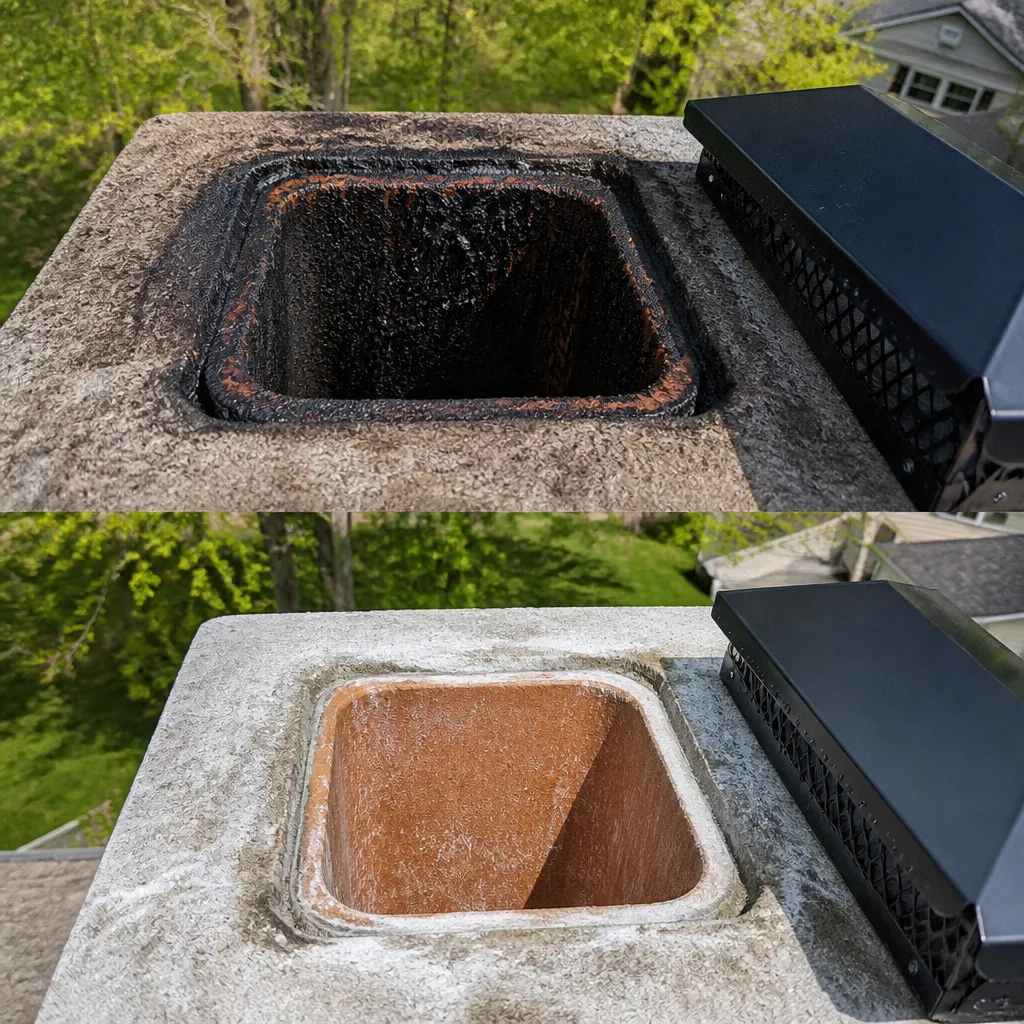 Sweep & inspection
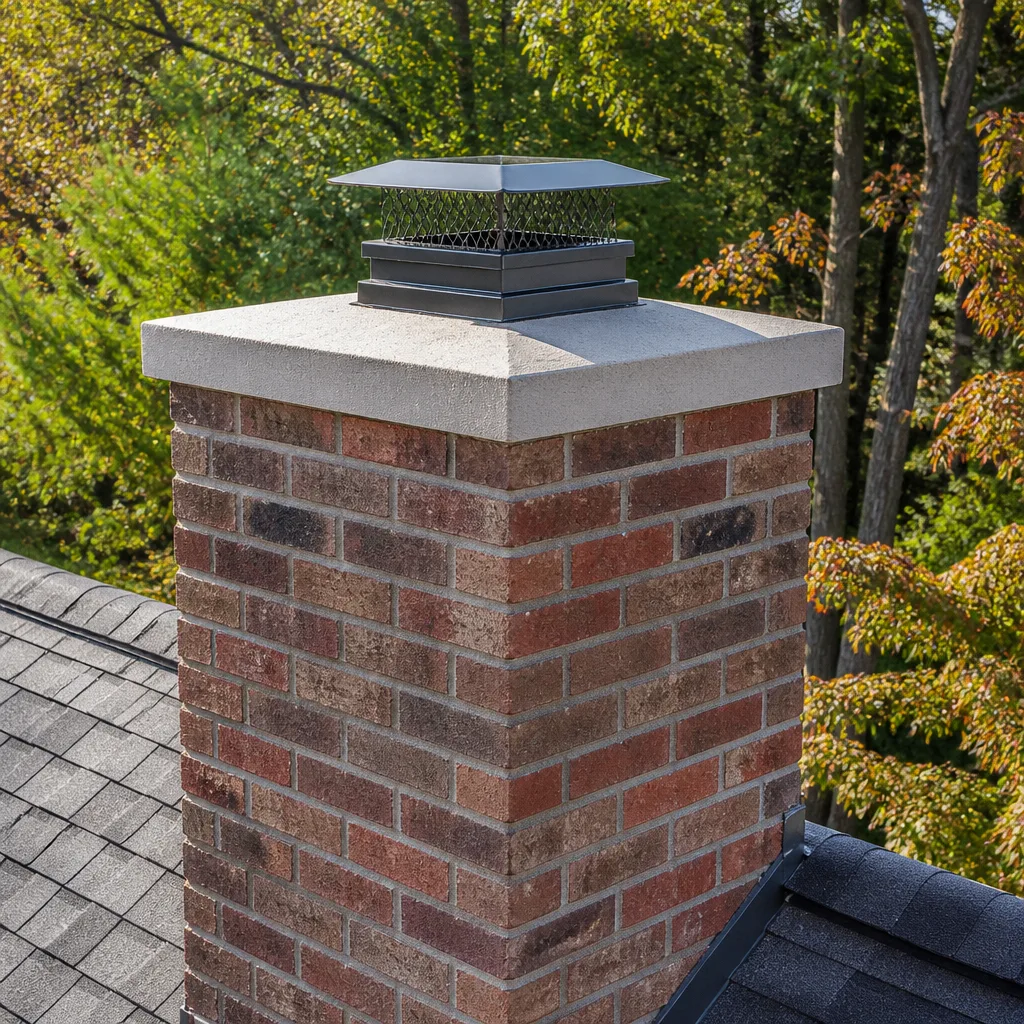 Caps & crowns
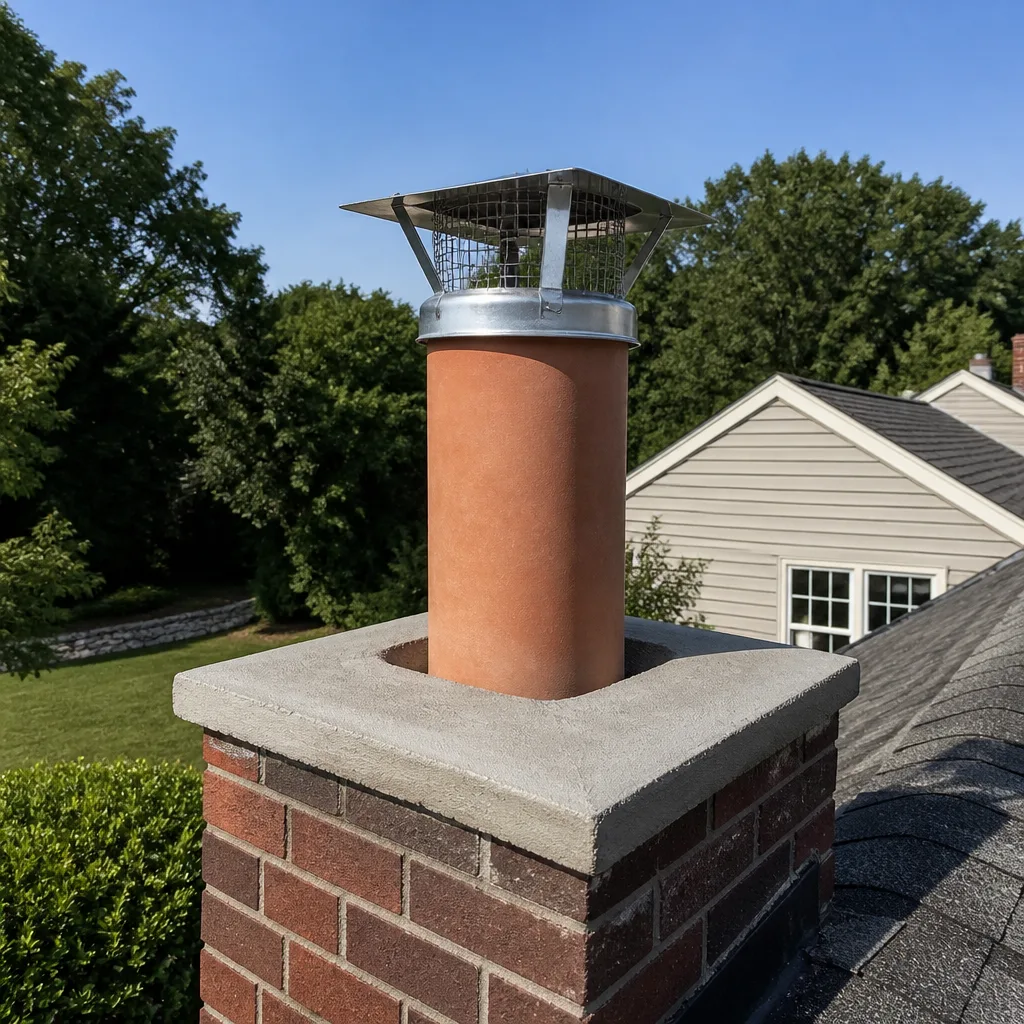 Flue relining
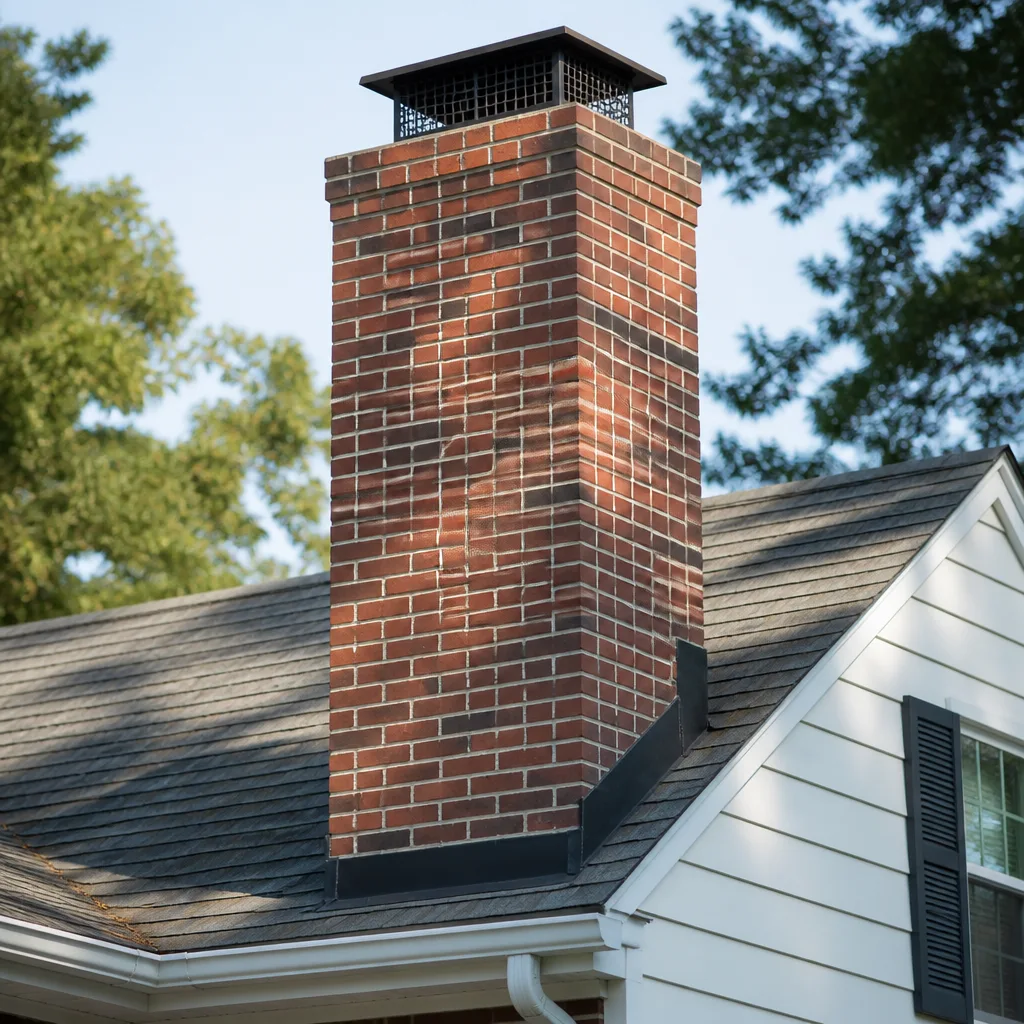 Masonry repair
 Gas fireplace service
Level 1 sweep and inspection to the NFPA 211 annual standard - flue, crown, cap, and flashing checked and photographed
Chimney sweep logs do not sweep chimneys. They loosen some creosote - which then falls where a brush and vacuum still have to collect it.
The Complete Guide to Chimney Cleaning in Abilene
Most people assume chimney cleaning is about removing soot. Soot is the easy part. The real work is reading creosote, the tarry residue that condenses inside the flue when wood smoke cools. Creosote builds in stages, and the stage your chimney has reached is what decides whether a simple sweep is enough or whether the liner needs restoration before it can be safely used again. A glaze-coated flue and a light dusting of powder are two very different problems, and they call for two very different visits.
This guide walks through that classification system, what it means for a wood-burning fireplace in Abilene, and how a professional cleaning visit actually unfolds. You’ll learn the three creosote stages, which local fuels burn clean and which leave heavy deposits, what separates a Level 1 inspection from a Level 2, and when a single sweep won’t cut it.
Quick Answer
Chimney cleaning in Abilene means removing creosote and soot from the flue, firebox, and smoke chamber, then inspecting the whole system to confirm it’s safe to burn again. The method depends on creosote stage: Stage 1 (sooty dust) comes off with standard brushing, Stage 2 (hard black crust) needs more aggressive tools, and Stage 3 (glazed, hardened tar) usually requires chemical treatment or liner restoration. A proper visit pairs the sweep with a Level 1 or Level 2 inspection so the findings are documented and any repair can be handled by the same company.
Styles & brands we work with
- Sweep & inspection
- Caps & crowns
- Flue relining
- Masonry repair
- Gas fireplace service
Table of Contents
- What Creosote Actually Is and Why It Matters More Than Soot
- The Three Creosote Stages and What Each Means for Cleaning
- How Abilene Fuels Affect Creosote Buildup
- Level 1 vs Level 2 Inspections: What NFPA 211 Actually Requires
- What a Professional Cleaning Visit Covers
- Why One Sweep May Not Be Enough After Several Seasons
- How Often Should an Abilene Chimney Be Cleaned?
- How to Choose a Chimney Sweep in Abilene
What Creosote Actually Is and Why It Matters More Than Soot
Creosote is what’s left behind when wood smoke cools before it exits the chimney. Wood doesn’t burn cleanly. It releases gases, water vapor, and unburned particles, and when those gases hit a cooler flue surface they condense into a sticky film. That film hardens over time. Soot is the powdery, carbon-rich material that brushes away easily; creosote is the part that sticks, and it’s the part that burns.
This distinction matters because soot is mostly a draft and efficiency problem while creosote is a fire risk. A flue can look reasonably clean from the firebox and still carry a heavy creosote layer higher up, especially around the smoke chamber and the top few feet of the liner where temperatures drop fastest. We’ve seen chimneys in Abilene where the visible portion of the firebox was nearly spotless and the upper flue was the real concern.
Three things speed up creosote condensation:
- Cool flue temperatures. A cold exterior chimney (one built on an outside wall) stays cooler than an interior chimney, so smoke condenses sooner.
- Unseasoned or wet wood. Green wood spends its heat boiling off moisture instead of producing a clean burn, and the extra water vapor drives more condensation.
- Restricted air supply. A damper cracked too far closed or a flue that’s undersized for the firebox chokes the fire and produces more unburned gas.
West Texas winters are mild by national standards, but that mildness is part of the problem. Homeowners here burn intermittently, lighting a fire on a cool evening and letting it die out rather than running a fire continuously. Short, cool burns produce more creosote than a hot, steady fire. Fireplace use in Abilene tends to be sporadic, and that pattern quietly accelerates buildup between cleanings.
The Three Creosote Stages and What Each Means for Cleaning
The chimney industry classifies creosote in three stages, and the stage determines both the cleaning method and how much the job costs. Understanding the difference helps you understand what a sweep is telling you when they recommend more than a standard brushing.
Stage 1: Sooty, Flaky Residue
This is the earliest stage, a light dusting of soot mixed with soft, flaky creosote that brushes off with standard poly or wire chimney brushes. It’s what you’d expect from a chimney that’s been swept regularly and burned with reasonably dry wood. A standard sweep handles Stage 1 completely, and no additional treatment is typically needed.
Stage 2: Hard, Crusty Deposits
Stage 2 creosote is black, hardened, and crusted onto the flue walls. It doesn’t brush off with a light pass. It takes more aggressive rotary tools or chemical creosote removers to break it down, and sometimes more than one visit to clear fully. Stage 2 is also where we start looking harder at the liner itself, because heavy crusting can hide cracks or gaps underneath.
Stage 3: Glazed, Hardened Tar
Stage 3 is the dangerous one. The creosote has baked into a hard, glassy glaze that looks almost like varnish on the flue walls. It’s extremely flammable and very difficult to remove. Standard brushing won’t touch it. In many cases the only safe long-term fix is liner restoration or replacement, because removing glazed creosote without damaging the flue isn’t reliably possible with mechanical tools alone. This is where products like HeatShield ceramic resurfacing come in, restoring the liner interior rather than trying to scrape it clean.
Why the Stage Determines the Visit
A sweep that only carries brushes will tell you your chimney is clean when it reaches Stage 1. It may not be able to do much about Stage 2 without the right tools, and it usually can’t address Stage 3 at all. A specialist who handles the sweep, the inspection, and the repair closes that gap. If a sweep-only company finds Stage 3 buildup, you’re left finding a separate contractor to reline. One company handling all three service types avoids that runaround.
How Abilene Fuels Affect Creosote Buildup
What you burn determines how fast creosote accumulates. In the Abilene area, the two most common firewood choices are oak and mesquite, and they behave differently in the firebox than the softwoods (pine, cedar, fir) that dominate other regions of the country.
Hardwoods like oak and mesquite are dense. They produce more heat per cord and burn longer and hotter than softwoods, which is generally good news for creosote. A hotter fire drives smoke out faster and leaves less unburned material to condense. Mesquite burns especially hot and is a favorite in this part of Texas for that reason. But hardwoods have a catch: they need to be seasoned properly. Oak in particular takes a long time to dry, and oak burned before it’s ready holds moisture that cools the flue and drives condensation. The wood’s density cuts both ways.
Contrast that with softwoods. Pine and cedar light easily and burn fast, but they produce more creosote per unit of heat because their resin content and quick burn produce more unburned gas. Homeowners who burn a lot of softwood kindling or scrap lumber alongside their hardwood are adding creosote faster than they realize.
Practical guidance for Abilene burners:
- Season hardwood for at least a full year before burning, longer for oak.
- Split wood to a manageable size so it dries through, not just on the surface.
- Keep softwood to kindling duty rather than loading the firebox with it.
- Avoid burning construction scrap, treated lumber, or pallet wood; these leave deposits and can release chemicals into the flue.
The regional climate also plays a role. Abilene sits in a semi-arid zone where winters are short and fireplace season is comparatively brief. Homes here aren’t running fires for months straight, so a single season of intermittent burning may not produce dramatic creosote. But a chimney that sat unused for two or three seasons can accumulate a surprising amount of buildup in the flue and smoke chamber from even occasional use, and that buildup is often Stage 2 by the time anyone looks.
Level 1 vs Level 2 Inspections: What NFPA 211 Actually Requires
Most homeowner guides skip inspection levels entirely, which leaves people unsure what they’ve paid for. The National Fire Protection Association’s Standard 211 defines three inspection levels, and knowing which one you need tells you what to expect from the visit.
Level 1 Inspection
A Level 1 inspection is the baseline. It covers the readily accessible portions of the chimney and venting system: the firebox, the damper, the smoke chamber as far as can be seen, and the visible flue from the firebox and the top. If your chimney is in regular use, hasn’t changed, and you’re continuing to burn the same appliance, a Level 1 is typically what’s done alongside a routine sweep. It’s a visual check, not a camera run.
Level 2 Inspection
A Level 2 is more thorough and is required in specific circumstances: when a home changes hands, when an appliance is replaced or the fuel type changes, after a chimney fire or other event, or when there’s been a change to the venting system. It includes everything in a Level 1 plus a video scan of the flue interior with a camera run down the length of the chimney. That camera view reveals cracks, gaps in the liner, offset sections, and creosote staging inside the flue that a visual look from the top and bottom can miss.
Level 3 Inspection
A Level 3 is a targeted, invasive inspection performed when a Level 1 or Level 2 identifies a concern that can’t be resolved without opening up the structure. It may involve removing portions of the chimney or adjacent building materials. Level 3 inspections are uncommon but necessary when a serious defect is suspected in a concealed area.
What the Inspection Produces
The value of a Level 2 is the camera evidence. It gives you a clear look at what’s actually inside your flue, which turns inspection from opinion into documentation. And it means the findings are actionable on the same visit. If the camera shows a cracked liner or a badly corroded section, the company that found it can quote the repair rather than handing you a report and telling you to find someone else. Pairing the sweep and the inspection with repair capability is what makes the whole visit useful.
What a Professional Cleaning Visit Covers
A professional chimney cleaning is more than running a brush up the flue. Here’s the full scope, step by step, of what a proper visit involves:
- Protect the living space. Drop cloths and a sealed work area keep soot out of the room. This step is unglamorous but defines the difference between a professional job and a messy one.
- Inspect before cleaning. A visual check of the firebox, damper, and flue tells the technician what tools and approach the job needs, and whether the creosote stage calls for something beyond standard brushing.
- Sweep the flue. Rotary brushes sized to the flue clear soot and creosote from the full length of the liner, from the top down or bottom up depending on access.
- Clean the firebox and smoke chamber. The smoke chamber, the funnel-shaped area above the damper, is often neglected. Soot and creosote collect there and can restrict draft.
- Clear the damper and any accessories. The damper, smoke shelf, and any cap or spark screen are checked for function and cleaned as needed.
- Check the cap and crown. The cap keeps rain, birds, and debris out of the flue; the crown sheds water off the top of the chimney. Both are inspected for damage because a failed cap or cracked crown lets water in, which degrades the liner over time.
- Run the inspection. A Level 1 or Level 2 follows the sweep, documenting the condition of the flue, liner, firebox, and chimney exterior.
- Review findings and quote repairs. Anything that needs attention is identified and explained, with the repair quoted before any work begins.
- Clean the work area. A complete job leaves the room as clean as it was found.
That last step matters more than it sounds. A chimney sweep visit should end with no visible soot in the home. If a company can’t promise that, they’re not set up properly for interior work.
Why One Sweep May Not Be Enough After Several Seasons
A single sweep is designed to clear one season’s worth of normal buildup. It’s not designed to rehabilitate a chimney that’s gone multiple seasons without service. When a chimney sits for two or three years, or burns heavily while neglected, the deposits can progress to Stage 2 or Stage 3, and that changes what the visit needs to accomplish.
Here’s the practical consequence: a sweep-only crew will brush what they can and leave the rest, or refer you elsewhere. If the flue interior shows heavy Stage 2 crusting or any Stage 3 glazing, clearing it properly requires more than a standard brush. It may take chemical treatment, rotary tools sized for hardened deposits, and in some cases liner restoration.
Abilene homes with older masonry chimneys are especially prone to this scenario. Many were built decades ago, and if the liner was never upgraded to a modern system, years of intermittent burning can leave the flue in worse shape than the homeowner realizes. A flexible liner system like DuraFlex allows proper relining of chimneys with offsets or non-standard flue configurations that rigid liner products can’t handle. Older masonry chimneys often have these offsets, and that’s exactly why flexible systems exist.
The takeaway is straightforward: if your chimney has gone more than one season without service, budget for the possibility that the first visit reveals more work than a simple sweep. That’s not a sales tactic. It’s the nature of creosote buildup, and the honest answer is that some chimneys need a sweep, an inspection, and a repair decision, not just a brushing.
How Often Should an Abilene Chimney Be Cleaned?
Industry guidance ties chimney cleaning to the amount of creosote built up, not a fixed calendar interval. The rule of thumb is to clean when the creosote reaches roughly an eighth of an inch, or at least once a year during active use. For homeowners who burn regularly, an annual sweep makes sense. For those who light a fire a few times each winter, the interval can stretch, but the annual inspection is still worth keeping to catch developing problems.
In Abilene, the practical recommendation is to schedule service before the burn season starts, so the chimney is clean and inspected when you actually need it. Cooler evenings arrive quickly in the fall, and a chimney that hasn’t been checked since the prior season is a question mark. Getting the sweep and inspection done ahead of first burn removes the uncertainty.
Several factors shorten the interval:
- Burning unseasoned wood or a lot of softwood
- Using the fireplace frequently during the cooler months
- A chimney on an exterior wall, which stays cooler and condenses more
- Any prior history of heavy creosote accumulation
- A change in appliance or fuel type, which calls for a Level 2 inspection
If you’ve never had the chimney inspected, start with a Level 2 so you have a documented baseline. Then use annual Level 1 inspections to track condition going forward.
How to Choose a Chimney Sweep in Abilene
Choosing a chimney sweep for your Abilene home comes down to three questions: what can they clean, what can they inspect, and what can they repair when the inspection turns something up. A company that only sweeps is a partial solution, because the sweep and the inspection are supposed to inform the repair decision on the same visit.
Ask whether the company works with professional-tier materials. The liner systems, ceramic repair coatings, and venting components that hold up over time come from a specific set of suppliers. We work with a curated portfolio that includes DuraFlex flexible liner systems, HeatShield ceramic resurfacing, Gelco, Olympia Chimney, Famco, and Copperfield. Those names matter because they signal access to quality materials and to repair options most sweep-only companies can’t provide. HeatShield ceramic resurfacing, for instance, lets us restore a damaged flue interior without the cost of full relining, a middle path that only a company set up for repair can offer.
A few questions worth asking any chimney sweep in Abilene:
- Do you offer Level 1 and Level 2 inspections, and does the inspection include a camera scan?
- Can you perform repairs yourself, or do you refer them out?
- What liner systems and repair materials do you work with?
- What does the written estimate cover, and is it provided before work begins?
For a full-spectrum chimney specialist serving Abilene, that combination of sweep, inspection, and repair is the standard to look for. It’s what separates a professional chimney cleaning from a brushing with a report attached.
Common Mistakes to Avoid
- Treating the sweep as the whole job. A sweep without an inspection is a guess. The cleaning clears what’s there, but only the inspection tells you whether the liner, firebox, or crown needs attention.
- Assuming soot is the real problem. Soot is easy. Creosote is what drives cost and risk, and Stage 3 glazing can’t be brushed away no matter how hard the technician works.
- Burning wet or unseasoned wood to save money. In Abilene, oak that hasn’t had a full year to dry holds moisture that cools the flue and speeds up creosote condensation. It’s a false economy.
- Skipping the camera inspection on an older masonry chimney. Older Abilene homes often have offsets and non-standard flue configurations that only a camera reveals. A visual check from the top and bottom may miss a cracked liner entirely.
- Hiring a sweep-only crew and then needing a separate repair contractor. Coordinating two companies adds time and cost. One company handling sweep, inspection, and repair closes that gap.
- Delaying service because the fireplace seemed fine last season. Creosote accumulates even during light use, and a chimney that sat unused for a season can have surprises waiting in the flue.
- Burning scrap lumber, treated wood, or trash for quick warmth. These deposits can coat the flue with material that’s harder to remove and can release chemicals. Keep the firebox to proper firewood.
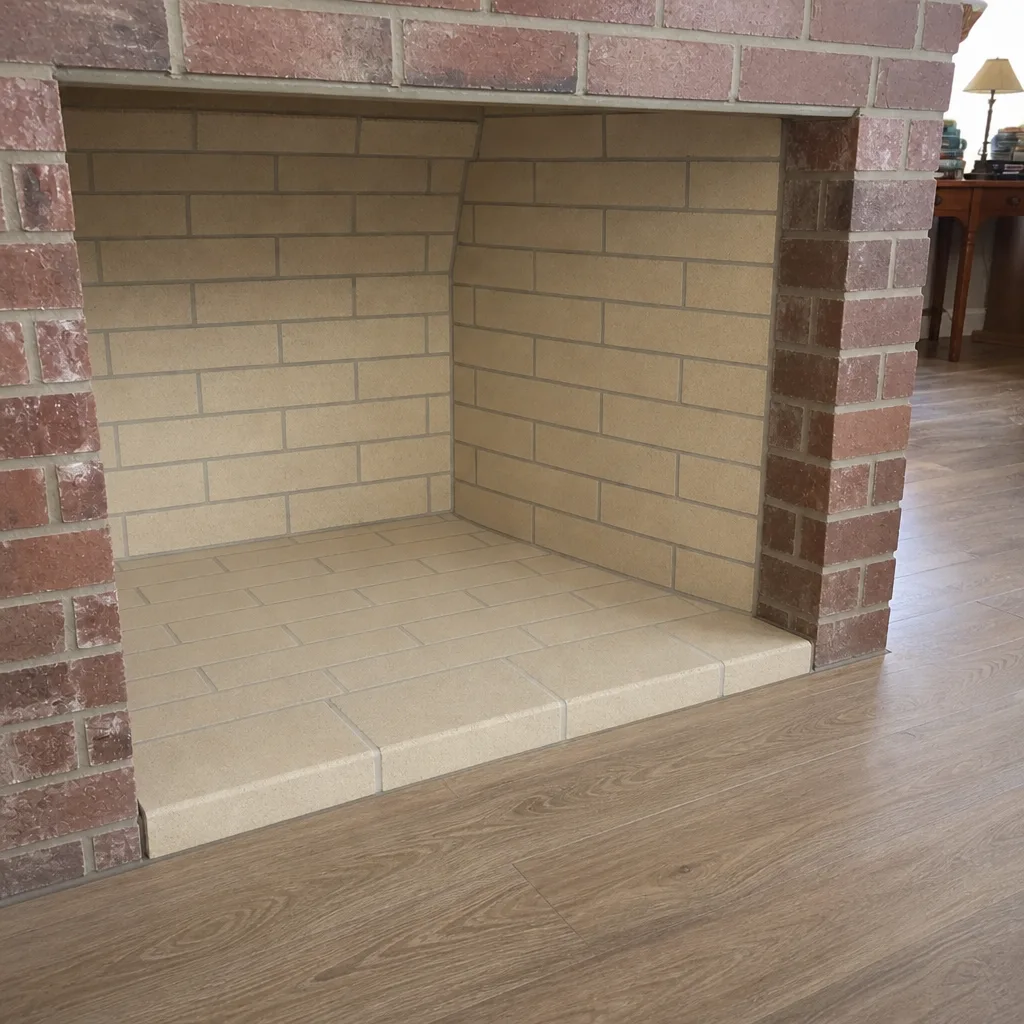
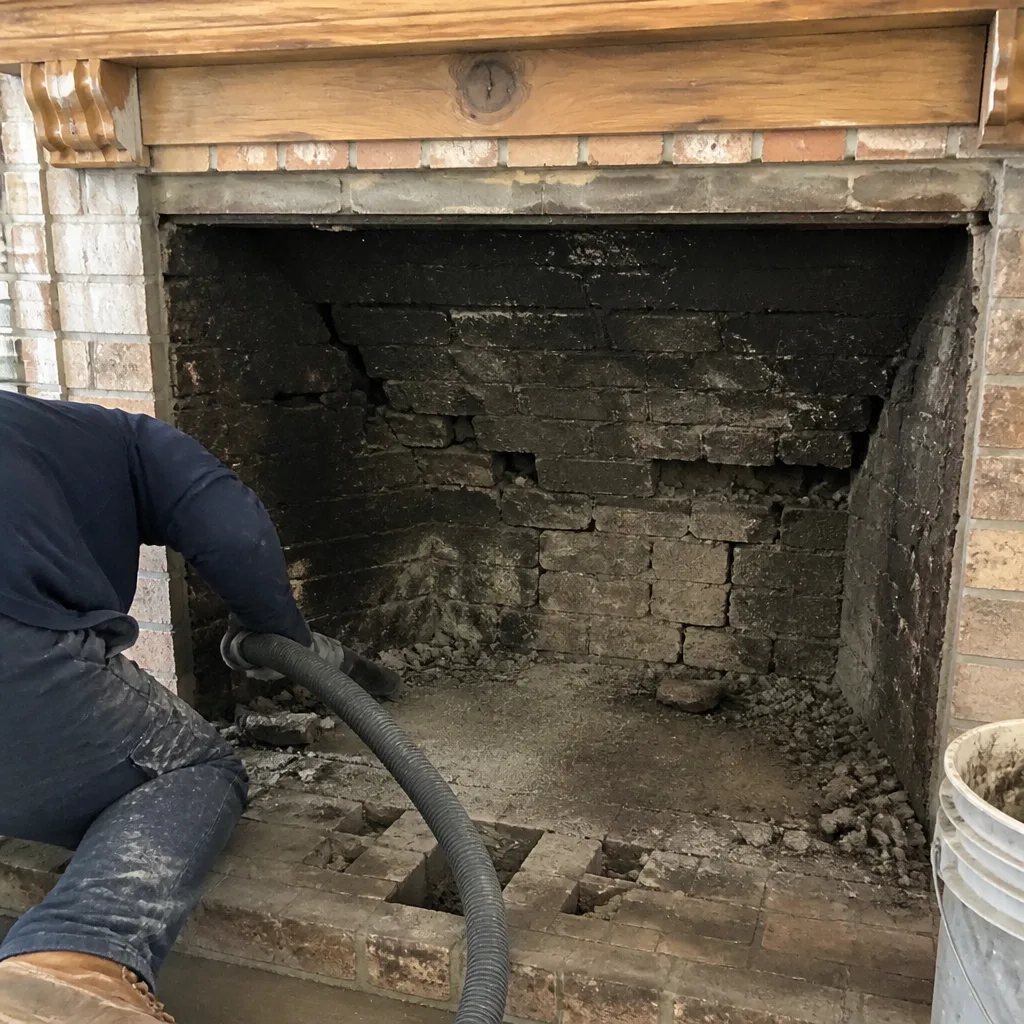
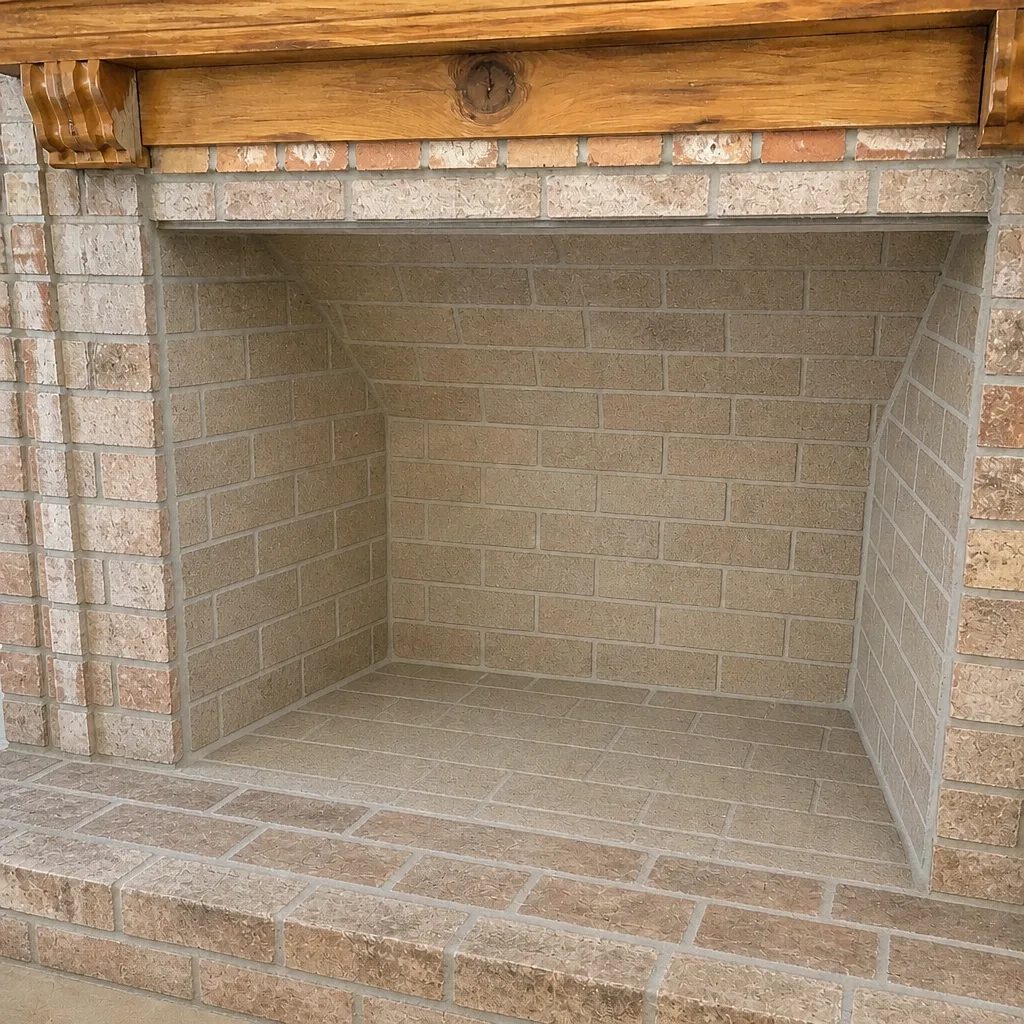
See the difference
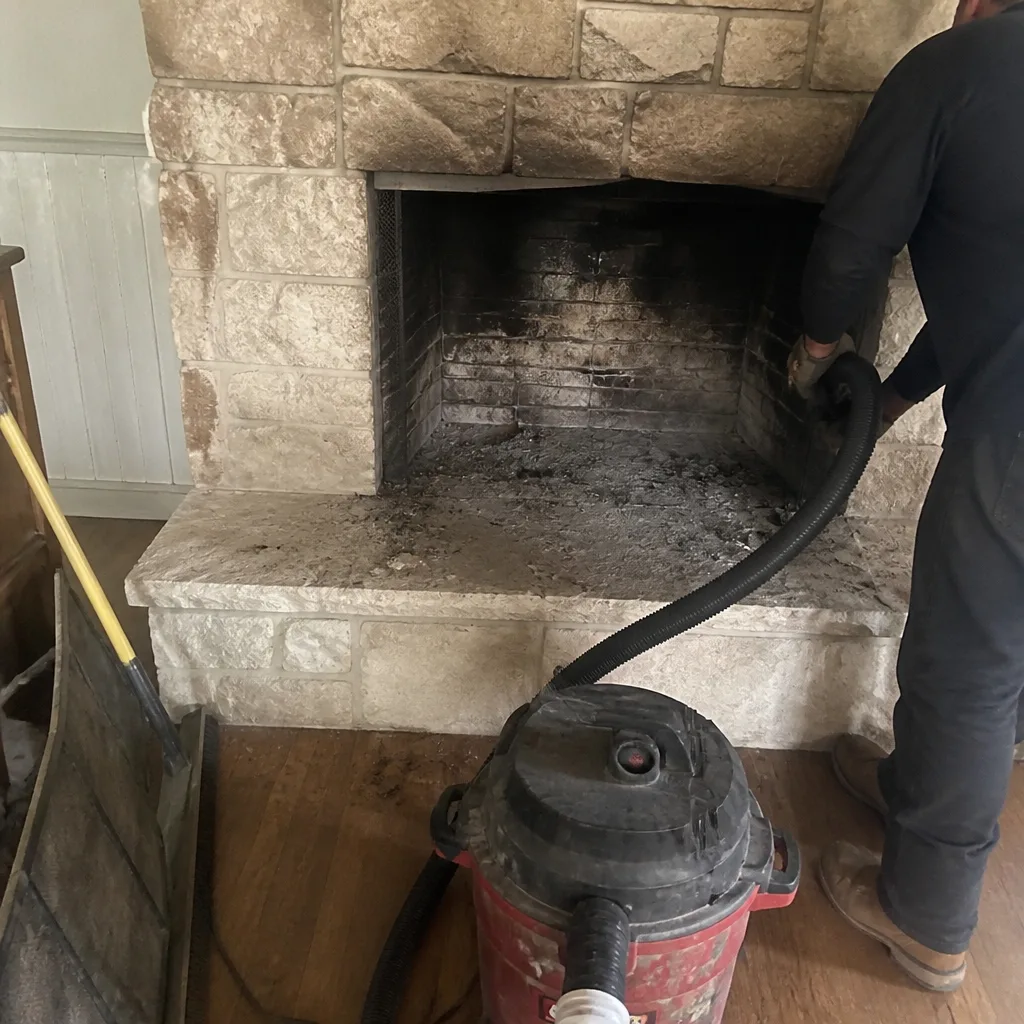 Before
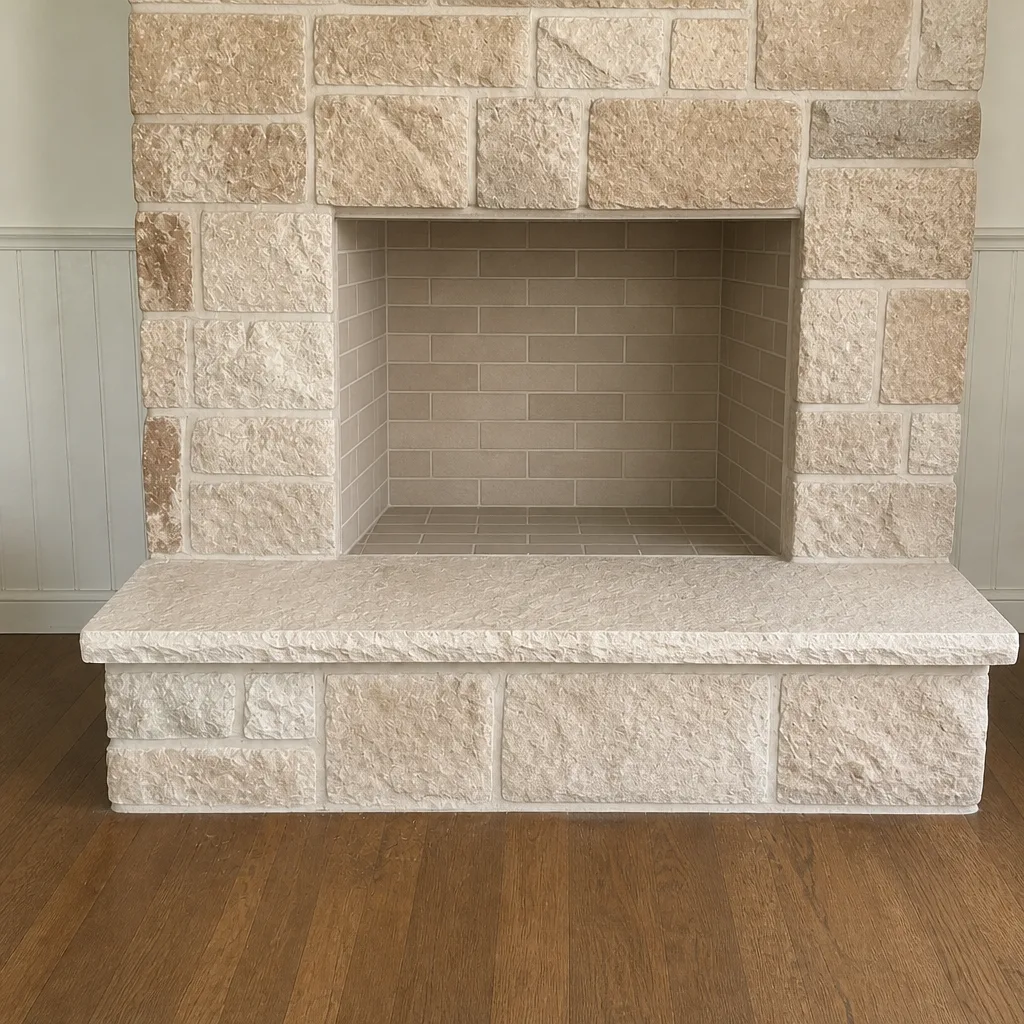 After
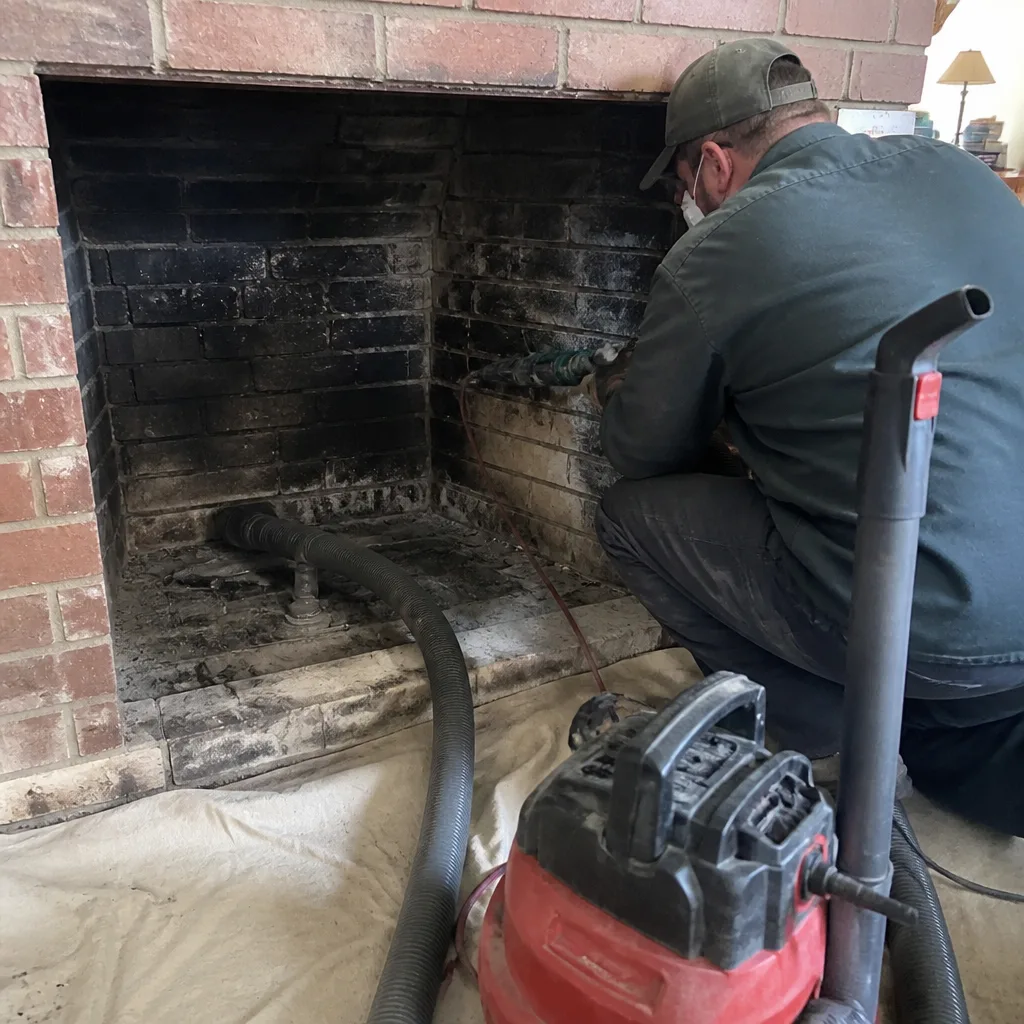 Before
 After
 Before
 After
When to Call a Professional
Some situations need a trained technician right away. If you smell a strong creosote or burning odor when no fire is lit, if you notice cracks in the firebox brick or mortar joints, if the damper doesn’t open and close smoothly, or if smoke rolls back into the room instead of going up the flue, schedule a visit. Any chimney that’s gone multiple seasons without service should also get a sweep and a Level 2 inspection before the next burn. And if you’ve moved into a new home in Abilene with a chimney of unknown history, a baseline inspection is the first thing to arrange.
Chimney Sweep Abilene offers free estimates in Abilene. Call (888) 359-2615. We answer 24/7. Fast dispatch from 7am to 7pm, Sunday through Friday.
Frequently Asked Questions
A standard chimney sweep typically falls in a set range for the market, and the final price depends on the condition of the chimney, the creosote stage, and whether an inspection is paired with the cleaning. Because creosote stage drives the method, a Stage 1 cleaning and a Stage 3 restoration are not the same job and won’t carry the same price. We quote per job with a written estimate before any work begins, so you know the cost ahead of time. Call (888) 359-2615 for an exact quote. Estimates are free.
Not always. A new liner is necessary when the existing liner is cracked, heavily deteriorated, or cannot be safely cleaned due to Stage 3 glazing. But there’s a middle option: HeatShield ceramic resurfacing can restore a damaged flue interior without full relining, which saves the cost and disruption of replacement. The honest answer is that whether you need a new liner depends on what the camera shows. We don’t recommend relining without evidence, and we’ll tell you plainly when a repair can safely wait.
The general guidance is at least once a year during active use, or whenever creosote reaches about an eighth of an inch. Because Abilene winters are mild and fireplace use tends to be intermittent, some homes can stretch the interval between sweeps. But the annual inspection is still worth keeping, and a chimney that’s gone multiple seasons without service should be swept and inspected before it’s used again. Call (888) 359-2615 to book a sweep and get a clear answer on your chimney’s condition.
A Level 1 is a visual check of the readily accessible parts of the chimney and venting system, typically done alongside a routine sweep. A Level 2 is more thorough and includes a video camera scan of the flue interior; it’s required when a home changes hands, an appliance is replaced, the fuel type changes, or after a chimney fire. A Level 2 reveals cracks, gaps, and creosote staging inside the flue that a visual check can miss, which is why it’s worth having when the chimney’s history is uncertain.
Creosote keeps building, and each stage is harder to remove than the last. Stage 1 brushes off easily, Stage 2 needs aggressive tools, and Stage 3 glazing often requires liner restoration. Beyond the cleaning problem, heavy creosote is flammable, and a cracked or deteriorated liner can let heat and gases reach surrounding materials. Skipping service doesn’t cause an immediate failure, but it steadily narrows your options and can turn a simple sweep into a bigger repair. Call (888) 359-2615 to get the chimney checked before that happens.
Yes. Gas inserts are cleaned differently than wood-burning fireplaces, but they still need service, and their venting components are checked during inspection. Offset and non-standard flue configurations are common in older Abilene masonry chimneys, and flexible liner systems like DuraFlex are designed for exactly those layouts where rigid liner can’t be fitted. We also work with Gelco, Olympia Chimney, and Famco components for properly fitted caps, covers, and venting parts. Call (888) 359-2615 for a free estimate on your setup.
The Bottom Line
Chimney cleaning is a creosote classification problem before it’s a cleaning problem. Stage 1 comes off with a brush, Stage 2 takes more work, and Stage 3 usually means restoration rather than scraping. What you burn matters too; oak and mesquite burn hotter than softwoods but demand proper seasoning, and Abilene’s intermittent fireplace season can let buildup collect quietly between uses. Pair the sweep with a Level 1 or Level 2 inspection so the findings are documented, and choose a company that can handle the repair when the camera shows something. For chimney sweep and inspection service in Abilene, call (888) 359-2615 for a free estimate.
Whether you’re due for your first sweep of the season or you’ve just moved into a home with an unexamined chimney, our team can walk you through what a professional chimney sweep visit involves and what the inspection finds. If the inspection turns up a liner issue, we handle the chimney repair under the same roof, so there’s no gap between the report and the fix. Learn more about what Chimney Sweep Abilene does and how our technicians approach the full service cycle. Call (888) 359-2615. We answer 24/7. Fast dispatch from 7am to 7pm, Sunday through Friday.
Written by the team at Chimney Sweep Abilene.